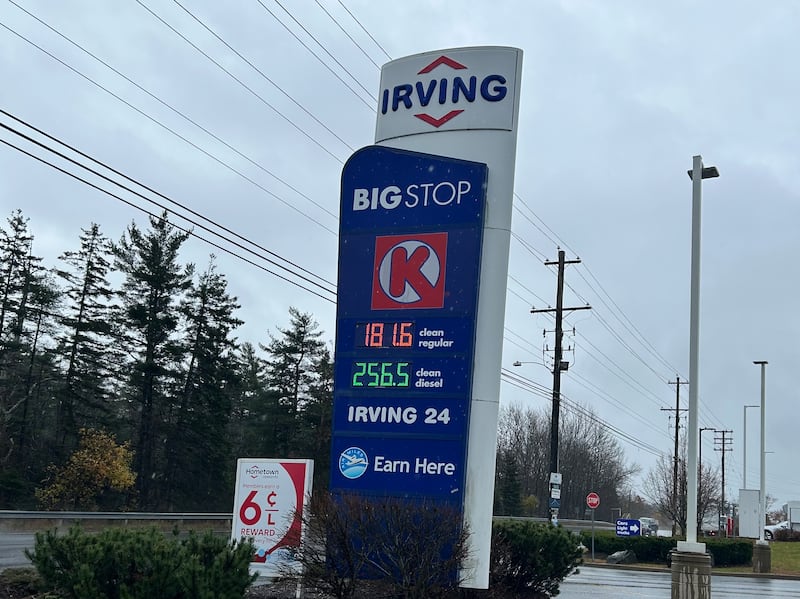
ENFIELD, N.S. - The cost of diesel went down 13 cents in many parts of Nova Scotia on Wednesday morning to 256.5 cents a litre, with similar price drops across the country.
Regular self-serve gasoline was also cheaper in several provinces, including an 11 cent drop in Toronto, which brought gas prices to $1.67 a litre.
“It is fantastic and hopefully it’s a sign of more things to come,” said Colin MacDonald as he filled up his pickup truck with diesel at the truck stop in Enfield, N.S. “A lot of people are struggling and just doing what they can to get by so I’m sure this is going to make a lot of people happy.”
Trucker Roger Spicer said it added up to major savings as he filled up his massive work truck.
“I think the diesel savings today will be about $60,” said Spicer, who added the decreased price was welcome news at a time when everything is getting more expensive. “I am the same as everybody else, going to the grocery store, even filling up your car with gas, it all costs a lot.”
According to analyst Carol Montreuil, the lower fuel prices are a reaction to global market optimism about the wars involving Iran and Ukraine.
“There is still no resolution, but there are hopes for it,” said Montreuil, who is a vice-president with the Canadian Fuels Association. “This is really reflecting on the price of crude, which has come down significantly in the past couple of days and that is great news for consumers.”
Montreuil said the North American economy is largely fuelled by diesel. Growing energy and transportation costs have been passed on to Canadians who have been forced to pay more for everyday purchases.
“People have seen the prices of everything go up and that includes the prices of that food and transportation,” said Montreuil. “The impact is being felt in all sectors including agriculture.”

Dalhousie University professor and food researcher Sylvain Charlebois pointed out Canada’s food inflation rate in September was 2.2 per cent, but if shoppers were hoping lower diesel prices would lead to more affordable groceries, they will be disappointed, at least in the short term.
“Everything that is hauled in is based on contracts that were signed a few months ago,” said Charlebois. “Seeing fuel prices drop is a really good sign but those prices need to remain low for a while.”
Montreuil said the focus will now be on U.S. President Donald Trump.
Now with the U.S. midterm elections over, he wonders whether sweeping losses for Republicans would affect Trump’s policies regarding the wars with Iran and Ukraine, which would have an impact on fuel supplies around the world.

