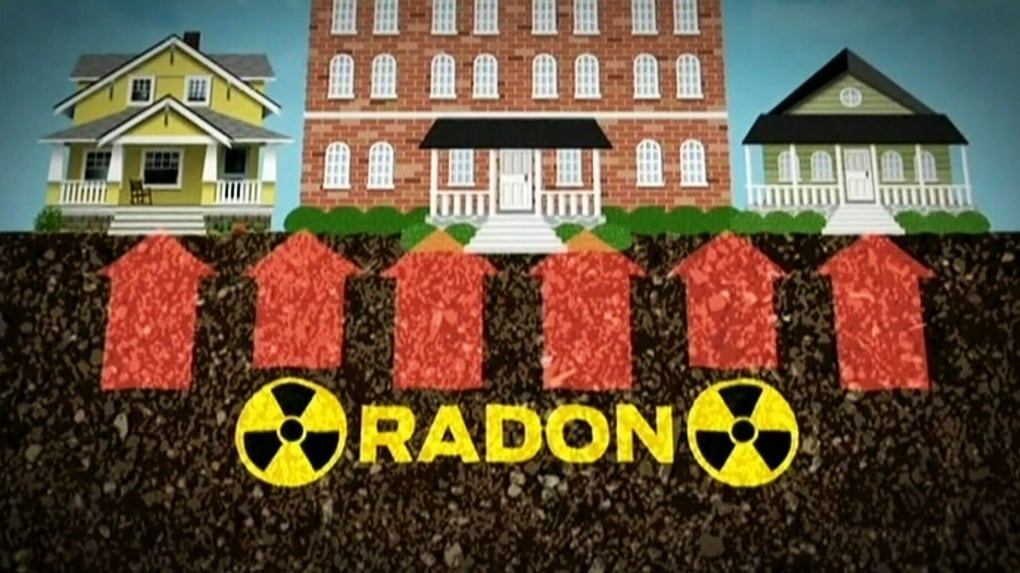
Health Canada is warning Canadians that inaccurate radon detectors sold online could leave households unknowingly exposed to a radioactive gas linked to lung cancer.
In a public advisory issued Monday, the agency urged homeowners to use approved testing devices, following several warnings and recalls involving electronic monitors that provided misleading readings.
Faulty readings raise health concerns
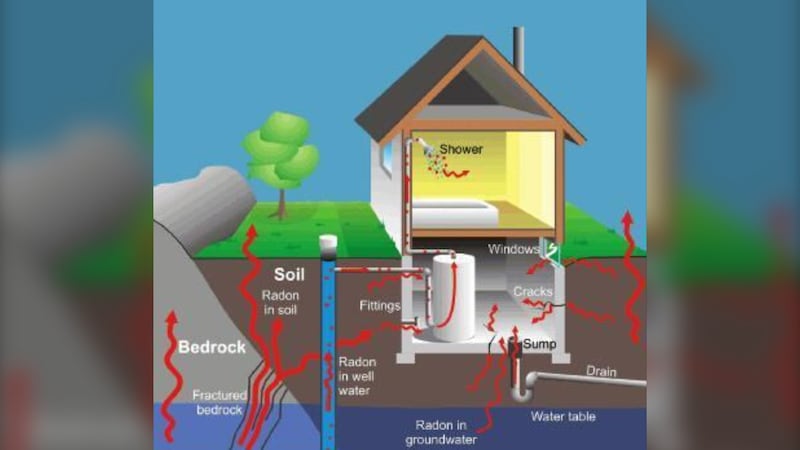
Radon is a naturally occurring radioactive gas released from the breakdown of uranium in soil and rock. It is invisible, odourless and tasteless, and can accumulate inside homes.
Long-term exposure to elevated radon levels is the second-leading cause of lung cancer in Canada after smoking.
Health Canada said inaccurate detectors can provide readings that are either higher or lower than actual radon concentrations. The biggest concern is that homeowners could receive falsely reassuring results and remain unaware of dangerous exposure.
Previously flagged products include InkBird, Life Basis, Hanchen and Spolehli detectors, along with other devices sold on Amazon.ca.
How to test your home
Health Canada recommends testing during winter, when homes are more tightly sealed and radon levels are often higher.
A long-term test lasting at least three months provides the most accurate assessment of a home’s average radon levels.
Consumers should purchase electronic monitors that have passed performance testing by the Canadian National Radon Proficiency Program.
Anyone with a recalled detector should stop using it and dispose of it according to municipal electronic waste requirements.
More information is available in Health Canada’s radon testing guide.

