Eric Ham is based in Washington, D.C. and is a political analyst for CTV News. He’s a bestselling author and former congressional staffer in the U.S. Congress and writes for CTVNews.ca.
In the lead-up to President Trump’s historic Ukraine summit with Russian strongman Vladimir Putin, the world has witnessed Western leaders take on the unprecedented task of tutoring, cajoling, and imploring an American president not to sell out the interests of all of Europe in exchange for fool’s gold when meeting with the wily former KGB operative.
Most recently, the two-term president had another TACO moment when his repeated threats came up empty. The purported sanctions deadline, no doubt a pressure tactic by the White House to force Moscow into a ceasefire deal with Kyiv, came and went; not with a bang, but with a whimper.
President Trump, who has shown a penchant for enacting punishing tariffs on allies and friends alike, once again shows the Russian dictator the kid gloves treatment. The former reality television star continues to portray the role of novice statesman on the world stage when navigating deeply intractable and complex geopolitics.
Now, as he stares down his face-to-face with Putin in Alaska today, many at home and abroad are increasingly concerned not only with the U.S. president’s deep naivete towards the steely Putin, but the prospect of American might and prestige being deployed to advance the aims and ambitions of the Kremlin.
The Trump administration’s United States envoy, Steve Witkoff, and his alarming lack of professionalism to forgo detailed notes outlining key takeaways from his initial meeting with Putin and his team not only caught many off guard in the immediate aftermath of their seminal meeting, but raised the consternation of NATO, European allies, and especially Ukraine.
An unclear readout of concessions and offers gave indication that Moscow was on a glide-path towards total Ukrainian annexation with the help and support of an unsophisticated Trump White House, clueless to its own ineptness.
Further cementing this notion were recent comments by the convicted felon himself proposing Ukrainian land swaps for peace. Though not just peace, a peace on Russia’s terms.
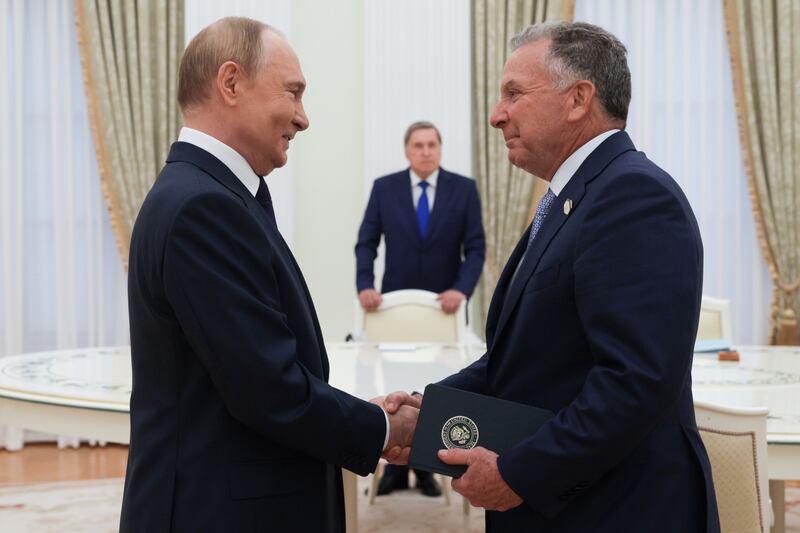
Moreover, the meeting between the two world leaders comes at a pivotal moment in the four-year long war as Russian forces are closing in on additional battleground victories as more Ukrainian territory gets annexed along the way.
Meanwhile, the suffering deepens and the body count rises. Amid this bleak backdrop, President Trump’s frustration with his own inability to reach a ceasefire and end the ongoing conflict — something he boasted of achieving while on the campaign trail, no doubt —underscores the depths of his desperation at finding any agreement to claim victory and walk away. Even at the expense of Ukraine and all of Europe.
A hastily agreed upon meeting at the behest of Putin, on American soil no less, continues to highlight the erratic nature of the president’s willingness to so easily cave to the wiles and demands of Putin with nothing in return.
Now, the American electorate watches stupefied as German Chancellor Friedrich Merz is left with no choice but to arrange a pre-summit confab in hopes of educating and conveying the enormity of what such an event portends; not just for the West but for the entire globe.
Trump and Russia
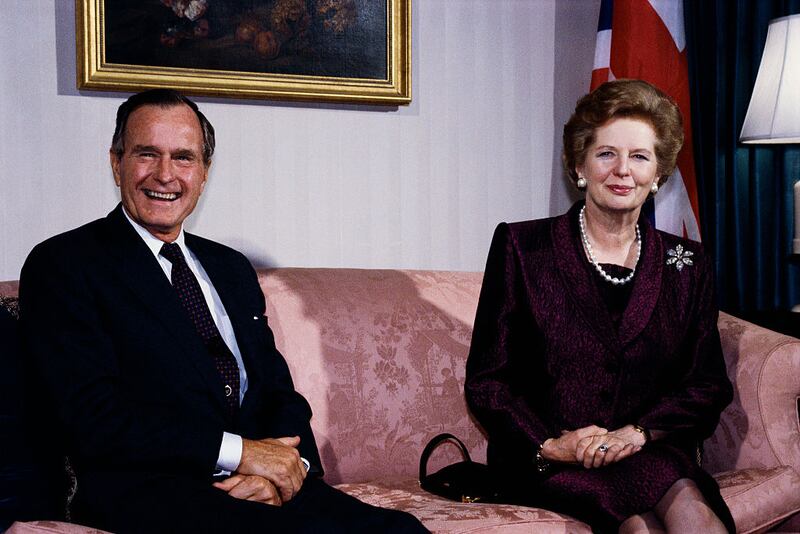
The virtual gathering echoes the Margaret Thatcher/George HW Bush moment where the late U.K. leader infamously told the late commander-in-chief in the lead-up to war: “Remember George, this is not the time to go wobbly,” as Bush mulled over what to do in response to Saddam Hussein’s invasion of Kuwait in 1990.
Unwilling to wait for a meeting with President Trump and already vexed for being snubbed from the meeting, Ukrainian President Vlodomyr Zelensky has already shot back in the most forceful terms possible, indicating his country will not — under any circumstances — willingly cede sovereign territory in exchange for peace.
Jeremy Kinsman, former Canadian ambassador to Russia, cautioned that Trump is susceptible to manipulation by Putin.
In an interview with CTV News he said: “I fear that Putin is playing Trump again, just looking like he’s talking to avoid further sanctions. It only works if Trump is tough on Russia.” Kinsman goes on to say, “Trump is inviting the leader of Russia, who is under indictment from the International Criminal Court, (to the U.S.), and all NATO countries have said they would not have him in their country…So, Trump is giving something to Putin that he clearly wants. Putin is seeking a form of impunity for the invasion of Ukraine.”
As a result of this repeated and inexplicable support for a reputed criminal, Europe has taken the unprecedented step of intervening in a U.S. president’s foreign policy maneuvers in an effort to ward off seismic concessions that could place U.S. allies on the defensive as the Kremlin pursues its dogged quest of re-assembling the Soviet empire. National leaders rallying to the aid and support of Ukraine at such a crucial moment is a stark juxtaposition, compared to the current state of play within the United States.
America has ardently stood with many of those same partners as an able counterweight and opponent to fascism. Now, as President Trump aligns himself with strongmen and dictators, the growing image of one of the last century’s most dominant vestiges of democracy is no longer the powerful adversary of tyranny.
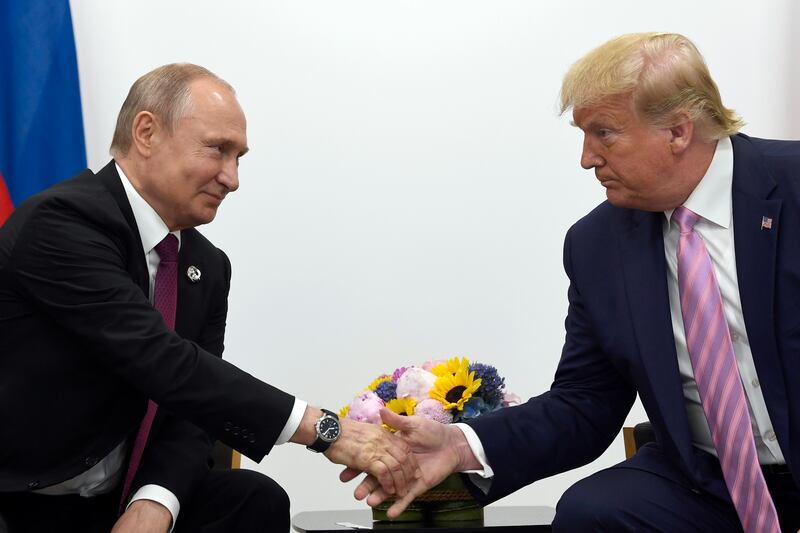
Today, the once mighty red, white, and blue has been reduced to the role of servile and docile accomplice, undermining openness and freedom. A blunt reminder of the fragility of representative government. The symbolism of America’s perennial antagonist meeting the nation’s president on U.S. soil is clearly a fait accompli for Putin.
Under Trump’s Make America Great Again moniker, oh, how the mighty have fallen.

