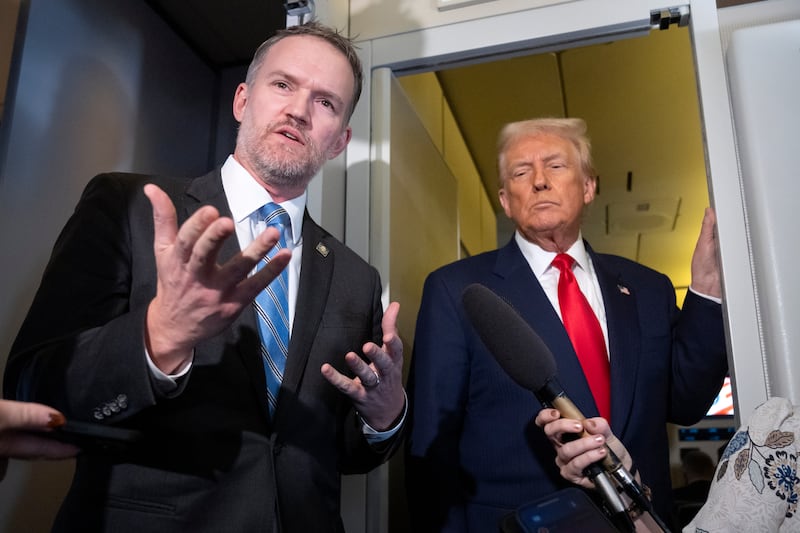
U.S. Trade Representative Jamieson Greer says there is a gap between the Canada and U.S. administrations’ trade philosophies.
Greer made the comments at a U.S. House Ways and Means Committee hearing on U.S. President Donald Trump’s trade agenda on Wednesday.
“They’ve done this, but overall they’ve indicated that they want to be trading more, they want to have more trade agreements with more countries,” Greer said, when asked whether Canada is taking the same steps as Mexico to better align with U.S. trade policy, specifically when it comes to rules of origin.
“They’re doubling down on globalization when we’re trying to correct for the problems of globalization,” he added. “So those are two models that don’t fit together very well.”
Greer said he’s raised his concerns with Canadian officials during his “regular contact” with them.
Amid rising tension with the United States last spring, Prime Minister Mark Carney pledged to diversify Canada’s trading partners to insulate the economy from a protracted trade war with the United States.
Through several international trips in the last year, Carney has moved to deepen ties with existing allies, specifically in Europe. And, despite previously fraught relationships, Carney has moved to reset relations with both China and India with the goal of boosting trade.
Carney also recently described Canada’s ties to the U.S. as a “weakness” in a social media video on Sunday.
Speaking about his own trade philosophy more broadly during Wednesday’s meeting, meanwhile, Greer said: “no one will probably ever accuse me of being a free trader.”
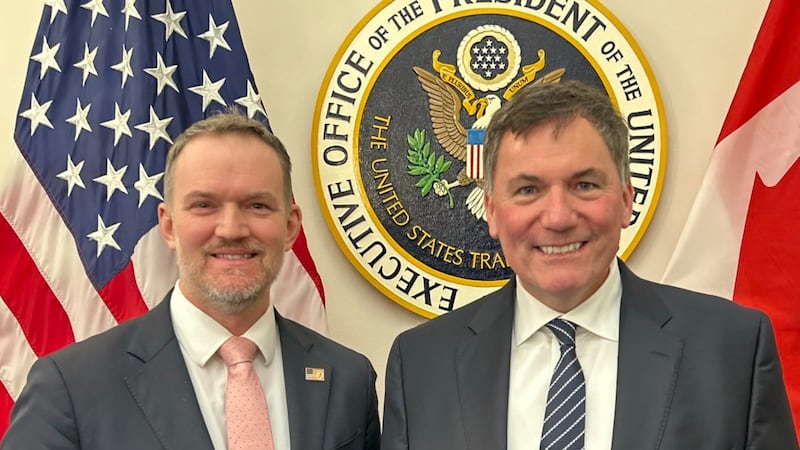
Greer addresses supply management, liquor ban
The trilateral trade deal between Canada, the U.S. and Mexico, known as CUSMA, is imminently up for review by July 1. At that point, officials can decide to renew the deal for a 16-year period, or to agree to an annual review process.
Speaking to the House Ways and Means Committee, Greer repeated a stance he’s laid out before, that the U.S. doesn’t “want to rubber-stamp it.”
Meanwhile, at a Washington, D.C.-based think tank earlier this month, he said while it’s unlikely the U.S. administration will hash out all of its trade issues with Canada and Mexico by July 1, he’s optimistic they’ll be resolved as soon as possible.
Greer was asked by Ways and Means Committee member Claudia Tenney — referring to supply management as a “rigged system” — about the CUSMA review and dairy specifically.
The U.S. trade representative responded that he’s raised it with Canadian officials “repeatedly and frequently,” but said Canada has not made any commitments on that issue.
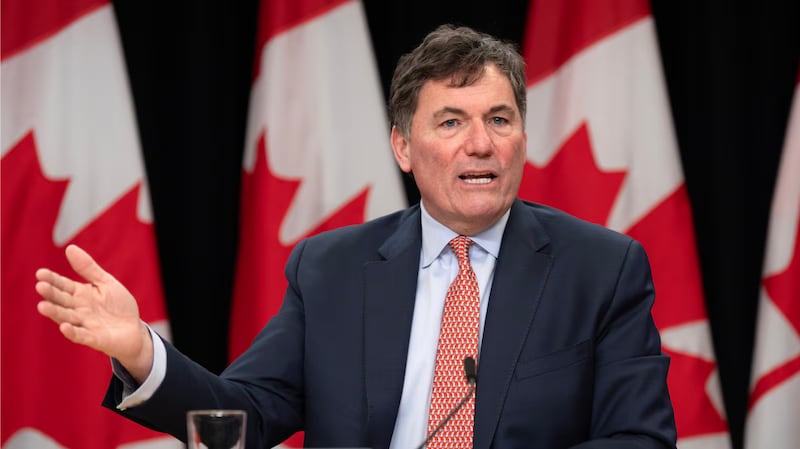
Canada-U.S. Trade Minister Dominic LeBlanc has already said publicly that dairy supply management concessions are off the table.
Earlier this month, Greer’s office released its annual longlist of trade irritants, with several pages specifically relating to Canada, and pointing to liquor, supply management, Buy Canadian procurement policies, and the Online Streaming Act among others as sticking points.
Greer was also asked by Tenney about the decision of most provinces to take U.S. wine and liquor products off the shelves and quit importing them. Provincial premiers have said they did so in response to the U.S. administration’s decision to launch a trade war on Canada.
“I think we’re kind of at the end of our rope in just asking for them to do this,” Greer said in reference to his conversations with Canadian officials, who he said have passed the buck to the provinces.
“So, my sense is there may have to be an enforcement action to deal with this issue on wine and spirits in Canada,” he also said.
Speaking to reporters on Parliament Hill Wednesday morning, Carney said he knows U.S. officials have trade irritants, but added Canada has some of its own.
On the issue of wine and spirits, Greer also compared Canada to China.

“Think about it this way: there are two countries that have retaliated economically against United States in the past year, the People’s Republic of China and Canada,” he said. “So that’s kind of the company that they’re running in.”
Greer, however, also told the committee he has a “good relationship” with his direct counterparts in Canada, and said he hopes they can “get over the hump on some of these things to have significant talks.”
On Tuesday, LeBlanc said in an interview on CTV Power Play with Vassy Kapelos that he most recently spoke to Greer last week over the phone, and that he spoke to U.S. Commerce Secretary Howard Lutnick “for an extended period a week ago.”

