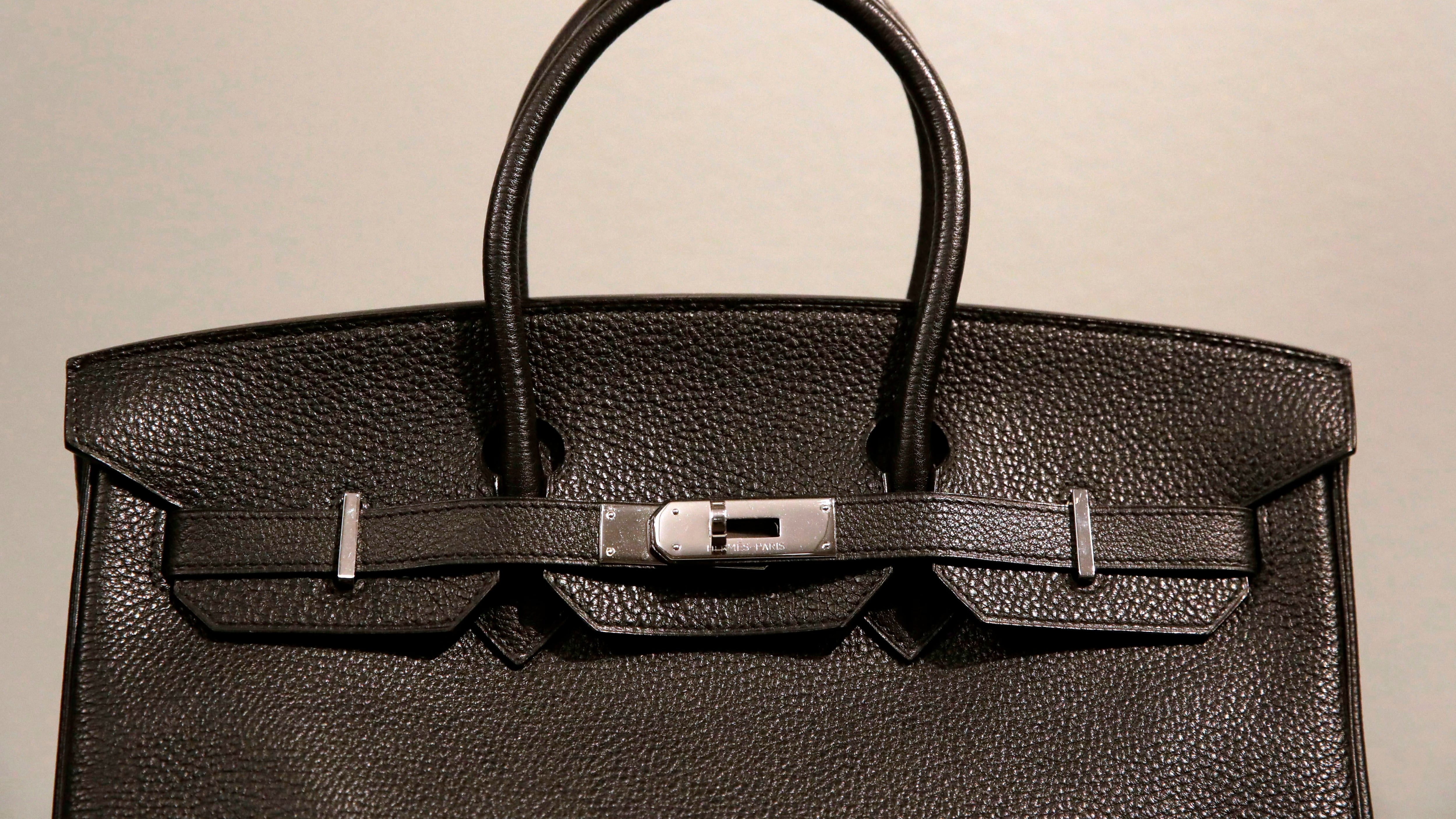
Fake Hermès Birkin bags and other counterfeit luxury goods are popular not only with people on a budget, but also with those with deeper pockets, a new study suggests.
Researchers from the National University of Singapore analyzed millions of counterfeit purchases by American consumers from more than 24,000 U.S. zip codes on a major cross-border, e-commerce platform. They found that both lower- and higher-income individuals are “significantly more likely” to buy fake luxury items than middle-income consumers, according to a press release by INFORMS on Monday.
“Our findings challenge the common assumption that counterfeit purchasing is primarily a budget-driven phenomenon,” Nan Chen, one of the researchers, said in the press release. “Instead, demand appears to be strongest at both ends of the income spectrum, suggesting that social, psychological and status-related motivations play an important role.”
The study was published in the peer-reviewed Marketing Science journal in April.
According to the research, individuals earning less money were more likely to purchase counterfeit versions of “lower-tier” luxury items. Meanwhile, wealthier buyers preferred the fake versions of Hermès, Chanel and other ultra-luxury brands.
What’s more, researchers noted that richer consumers were more likely to buy pricier counterfeit items, suggesting that the affluent may prefer the higher-quality replicas, the press release stated.
Fake replicas of famous luxury products, including the Hermès Birkin bag and Chanel Classic Flap, were more popular with consumers, compared to “newer or less recognizable collections,” according to the press release.
The researchers noted that the rise of cross-border e-commerce has made fake products more widely available.
“For brand owners and enforcement agencies, understanding who buys counterfeits, and why they do, is essential,” Mengqi Xiang, another researcher involved in the study, said in the press release. “Strategies designed around a single consumer profile may overlook substantial counterfeit demand among both affluent and economically constrained consumers.”

