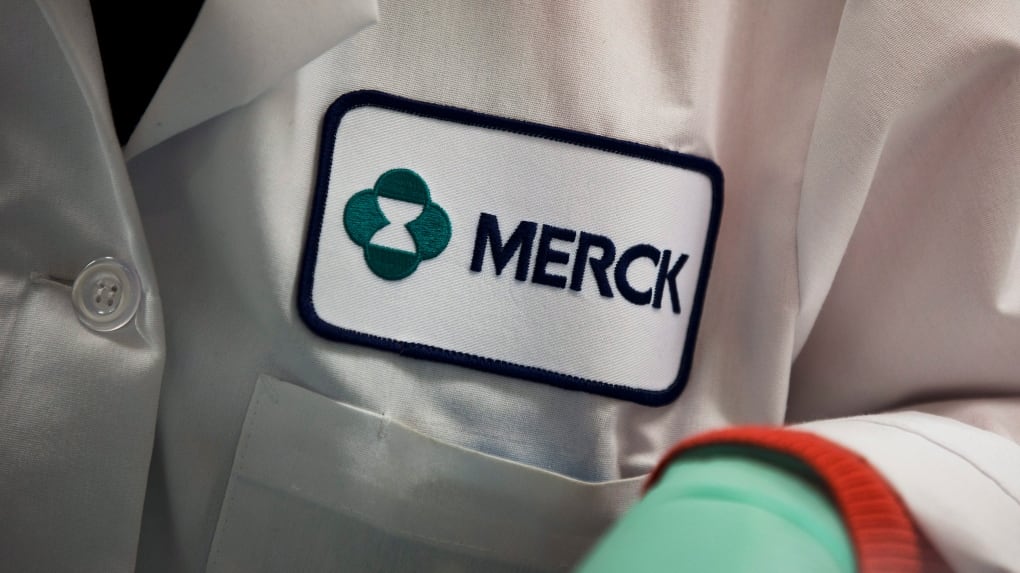
German drugmaker Merck said on Thursday it will acquire U.S. biotech firm Bio-Techne Corp for US$11.3 billion, its largest deal in over a decade, as it looks to strengthen its life sciences business.
Shares of Bio-Techne rose 20 per cent in premarket trading following Merck’s offer of $73 per share, which implies a 24 per cent premium to Bio-Techne’s close on Wednesday. Merck shares were up 3 per cent.
The deal would expand Merck’s footprint in areas of advanced biological research and cell and gene therapy, and reinforce its life sciences business as the primary driver of the company’s growth.
Bio-Techne supplies research reagents, proteins, antibodies, analytical instruments and other tools that are widely used by scientists and drug developers.
Some analysts said the transaction was a strategic fit and that they did not expect significant regulatory hurdles.
Merck appears to be getting an attractive asset with strong long-term potential, despite current pressures in the research tools market, Leerink analyst Puneet Souda said in a note.
The transaction marks the first major acquisition under CEO Kai Beckmann, who took over in May from Belén Garijo. The move appears consistent with Garijo’s strategy of prioritizing life sciences investments.
Under Garijo, Merck pursued a series of acquisitions including Exelead, Mirus Bio and SpringWorks Therapeutics to strengthen its positions in mRNA manufacturing, cell and gene therapy, and rare diseases.
Last year, Garijo said the group has an “appetite for M&A” with a priority on life science and was scanning a wide pool of potential targets.
The Bio-Techne acquisition is Merck’s largest life sciences deal since its 2014 purchase of Sigma-Aldrich, which strengthened its research tools business and diversification beyond pharmaceuticals.
Merck’s Life Science CEO Jean-Charles Wirth said on a media call that Bio-Techne will bring scale with its catalog of reagents that include 6,000 proteins and 425,000 antibodies, making it a “big, big plus” for customers.
The German firm said it would fund the acquisition through a combination of cash and debt. The company has cash and cash equivalents of about 2.74 billion euros ($3.11 billion), according to its latest quarterly results.
The deal is expected to close by late 2026 or early 2027. Merck expects cost savings of about 140 million euros to be fully realized by the third year after the deal is closed.
(Reporting by Danny Callaghan, Christy Santhosh, Padmanabhan Ananthan, Patricia Weiss and Bhanvi Satija; Editing by Linda Pasquini and Shinjini Ganguli)

