A Cuban Canadian advocacy group is calling on the federal government to enable businesses to conduct work with Cuba as the island struggles under a renewed blockade from the United States.
In a statement on its website, the Canadian Network on Cuba (CNC) said the UN General Assembly has “overwhelmingly” has condemned the U.S. and its actions against the Caribbean nation.
“The blockade and its extraterritorial application violate the UN Charter, international law, freedom of navigation and trade, and the sovereign equality of states,” the network wrote. “Yet Washington continues to intensify this economic siege, now seeking to punish not only Cuba, but also Canadian companies, Canadian workers, and Canadian economic interests.”
For months, Cuba has suffered from major blackouts, running out of critical medicines and dealing with food insecurity as the U.S. continues to apply pressure.
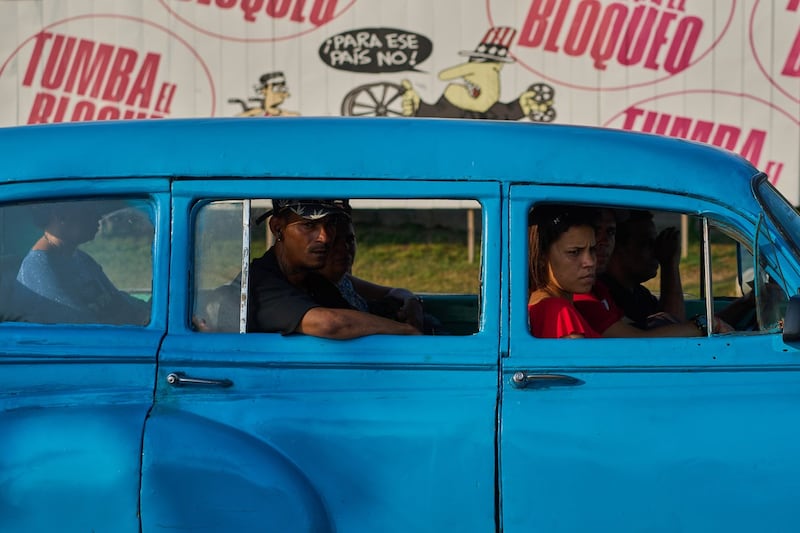
“The situation is really, really dire at this point,” CNC co-chair Julio Fonseca said in an interview with CTV Your Morning on Thursday. “Cuba has been under a U.S. financial, commercial and economic blockade for 65 years.
“But in the last six or seven months, the situation in Cuba has gone to unprecedented levels of scarcity and shortages for the average Cuban,” he added.
Last January, the United States ousted former Venezuelan president Nicolas Maduro, dealing a major blow to one of Cuba’s allies and one of its primary energy sources. Soon after, U.S. President Donald Trump signed an executive order that would impose tariffs on goods from countries that sell or provide oil to the island nation.
The CNC has called on Ottawa to denounce Trump’s executive order “as an illegal extraterritorial measure that violates international law and Canadian sovereignty,” as well as “take immediate and decisive action” in defence of Canadian companies to conduct business on the island, “free from foreign coercion and intimidation.”
“The energy siege, or blockade, that the United States has imposed on Cuba has deeply affected the lives of average Cubans. It violates the human rights of the Cuban people. It violates the rights to their mere existence,” Fonseca said.
“When a country does not have fuel, it is almost impossible to satisfy the demands of the population.”
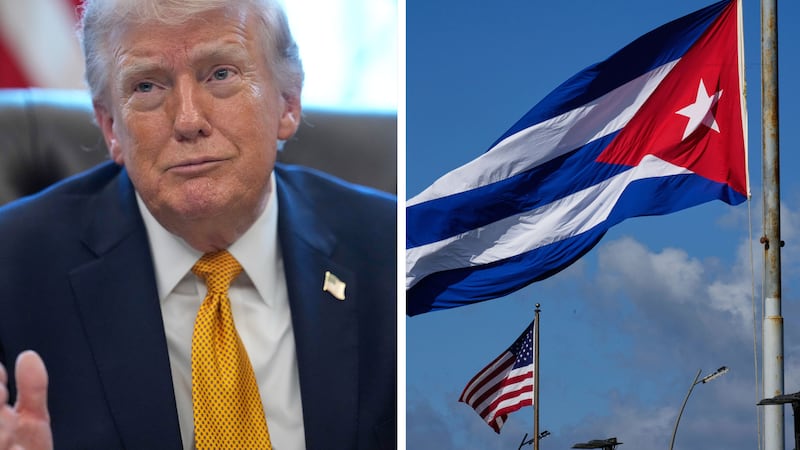
Cuba has been effectively isolated from world markets since the early ′60s when former U.S. president John F. Kennedy imposed an embargo following the island’s socialist revolution.
Following the collapse of the USSR in 1991, Cuba came to rely on Venezuela for most of its fuel supply. But since Maduro’s exit, the country has been coerced to stop supplying Cuba with the energy it needs.
Fonseca called Trump’s expanded blockade “unprecedented” and a violation of human rights.
“It’s against the law, against humanity to use food to submit a population into the designs of the biggest power in the world today,” he said. “However, Cubans are aware of what is the cause of their suffering, (and) the United States wants to divert the attention,” suggesting the goal of the U.S. is to blame the Cuban government for the crisis and widespread suffering the blockade is causing.

