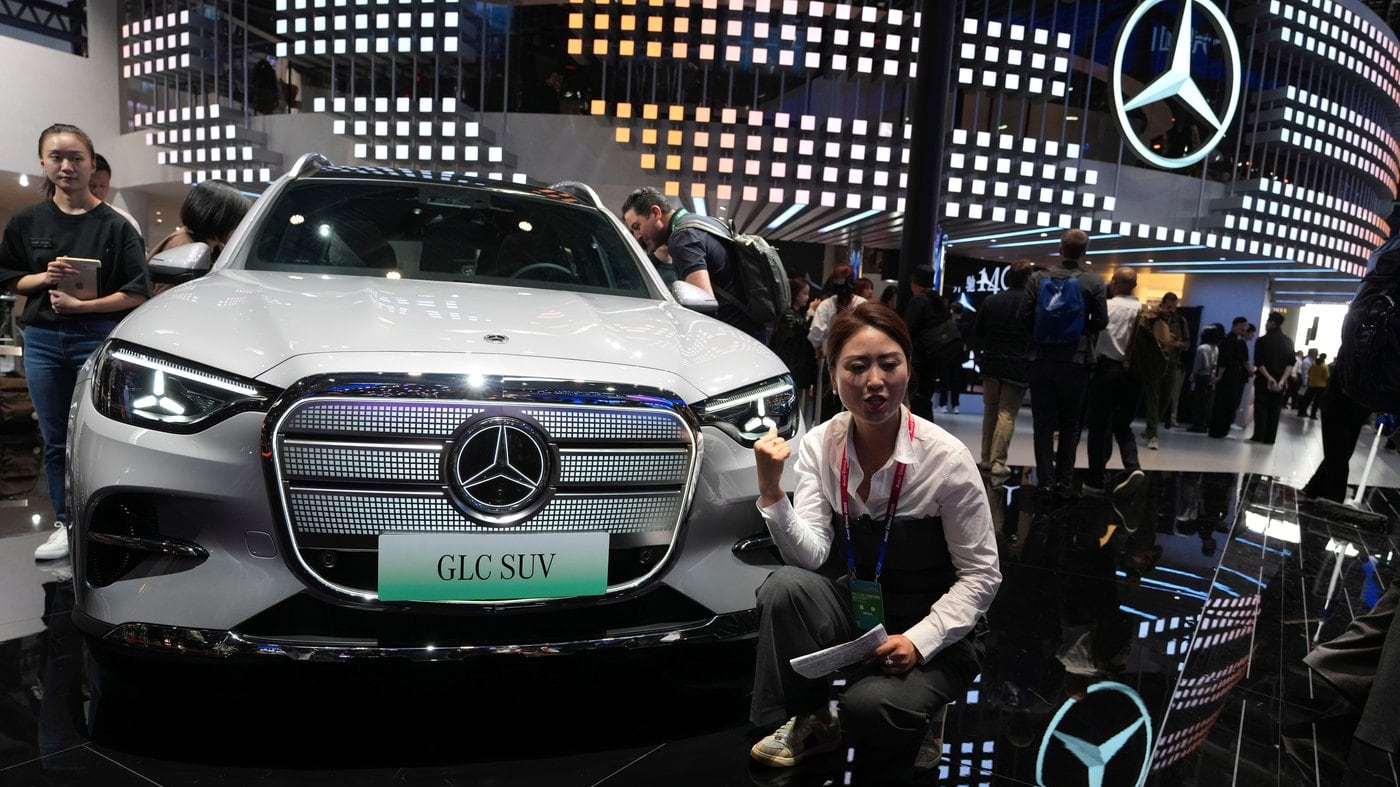
HONG KONG — Major German carmakers saw sharp quarterly sales declines in China as domestic demand weakened and competition heated up in the world’s biggest auto market.
At Volkswagen, Mercedes-Benz, BMW and Porsche, China sales for the April-June quarter plummeted between 30 per cent and 41 per cent compared with the same period a year ago, according to company data released over the past week.
For the first half of this year, they all reported a more than 20 per cent year-on-year drop in China. The falling China sales have squeezed their overall profits and in some cases offset gains from other regions.
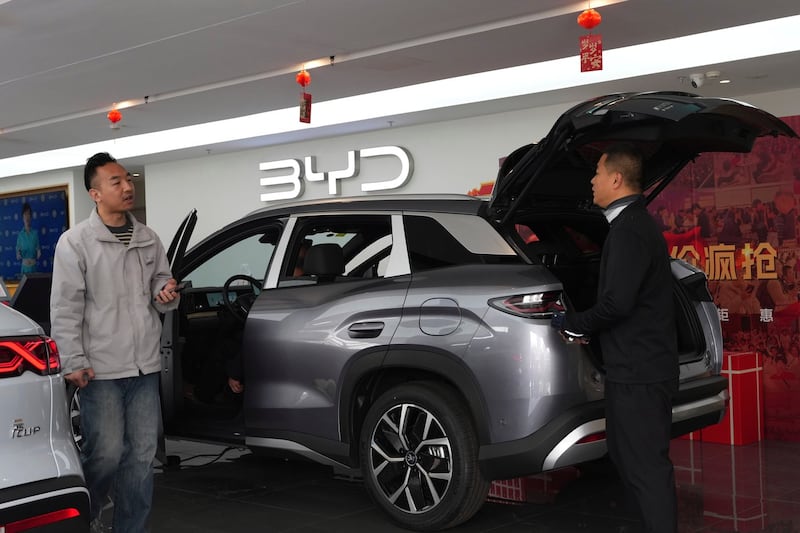
This also comes at a time when these legacy German carmakers are faced with intensified competition from Chinese automakers outside of China, including in Europe, as leading Chinese brands like BYD make inroads overseas.
The latest quarterly sales declines were some of the steepest seen for the German automakers in China, said Lei Xing, an independent auto analyst.
Volkswagen group, for example, saw deliveries in China down 36.6 per cent during the quarter to 424,300 vehicles, which dragged down its global sales to a 8.6 per cent decline, even as deliveries increased in Europe and the Americas.
The Wolfsburg, Germany-based auto group, which has been betting big on the Chinese market, said it would be slashing its model lineup by up to half after the latest sales declines.
China’s prolonged property sector downturn and an economic slowdown have hurt consumer sentiment, with more people shunning big-ticket purchases. Strong competition in its domestic car market and a yearslong fierce price war have also hit many European carmakers, with drivers opting for affordable Chinese car brands.
Porsche, part of the Volkswagen group, called China’s market environment “challenging” in a statement, while Mercedes-Benz said China is facing “a significantly weaker overall market and macroeconomic environment.”
China’s passenger car sales at home fell 24 per cent in the first half of this year to nearly 8.3 million, according to the China Association of Automobile Manufacturers, an industry group.
Consultancy AlixPartners expects sales of light vehicles, including passenger cars, in China will likely fall about 10 per cent for the whole of this year.
As Chinese car brands become increasingly preferable in China, “foreign automakers are going to have to fight for every share of (the) market,” Stephen Dyer, Asia-Pacific leader of the automotive practice at AlixPartners, said at a news briefing last month.
German auto groups remain much stronger in making internal combustion engine vehicles, such as gasoline cars, than electric vehicles, said Chris Liu, with the research and advisory group Omdia, at a time when EVs sales in China are doing better than conventional fuel vehicles.
“The German automakers are bearing most of the brunt,” said Xing, the independent analyst.
Chinese carmakers also have a competitive edge over foreign automakers as they typically update their model lineup a lot more frequently than their rivals, Dyer added.
Chan Ho-him, The Associated Press

