
An American activist is facing prosecution for allegedly using Canadian software to wipe the contents of his phone during an Atlanta airport search in a case legal experts describe as “troubling” and “entirely unprecedented.”
According to court documents and multiple media reports, Samuel Tunick was stopped at the airport while returning from a vacation abroad. When U.S. border agents asked to access his phone, Tunick allegedly provided a password that wiped the device’s contents.
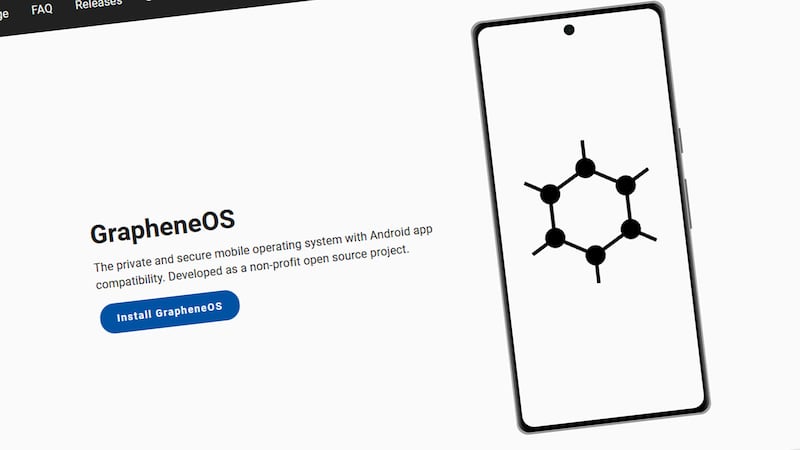
Tunick’s phone was running GrapheneOS, a mobile operating system designed to maximize security and privacy. The operating system is managed by the GrapheneOS Foundation, a Canadian non-profit based in Toronto.
What happened?
In court filings, Tunick’s lawyers assert that he was targeted for his alleged association with the protest movement against the construction of “Cop City,” a sprawling police training centre in Atlanta that became a flashpoint for left-wing activists. Before the facility was completed in April 2025, several protesters were arrested and charged with domestic terrorism after property was damaged at the site.
When Tunick was pulled aside for interrogation after returning to Atlanta from the Dominican Republic on Jan. 24, 2025, airport agents repeatedly demanded access to his phone, according to court documents. After Tunick finally provided a password, “the screen went blank, flashed several times and the phone appeared to restart,” the documents say.
Tunick has now been charged under a U.S. federal statute that makes it illegal to destroy property in order to prevent its seizure. His lawyers argue that during the airport search, border agents did not read Tunick his rights, produce a warrant or honour his requests to speak with a lawyer, making the detention and search unlawful. Tunick has pleaded not guilty.
What is GrapheneOS?
GrapheneOS is a mobile operating system known for its robust privacy and security features. Free and open-source, the Android-based operating system comes with the ability to set a “duress” PIN or password that will “irreversibly wipe the device” once entered.
Founded by a Toronto-based developer, GrapheneOS has approximately 400,000 users worldwide. While GrapheneOS currently only works on Google Pixel phones, it will be available on certain Motorola devices starting in 2027.
Toronto-based lawyer and cybersecurity analyst Ritesh Kotak says operating systems like GrapheneOS appeal to people like journalists, activists and even criminals who want to secure their devices and data from prying eyes.
“The average Canadian will never have to worry about this, but there are sophisticated pieces of [spyware] that can be deployed by intelligence agencies and state governments,” Kotak told CTVNews.ca. “What they do is they essentially allow for the phone to be remotely taken over, turn the mic on, turn the camera on, the location on. And what the operating system here will do is it will prevent that from happening.”
What should Canadians do?
The Canadian government makes it clear that U.S. border agents are “entitled” to search your phone, computer or tablet.
“They don’t need to provide a reason when requesting a password to open your device,” Global Affairs Canada says on its U.S. travel advice webpage. “If you refuse, they may seize your device. The border agent could also delay your travel or deny entry if you are not a U.S. citizen.”
American cybersecurity and privacy expert Bill Budington advises travellers to minimize the sensitive data they carry with them in vulnerable situations like border crossings. That could mean leaving a device at home or travelling with a secondary phone.
“I have not heard of a case like this before,” said Budington, who works as senior staff technologist at the Electronic Frontier Foundation, a California-based digital rights group. “We would not recommend wiping a device in this way. A judge is not likely to see this action as sympathetic.”
Kotak, who calls the charges “troubling,” says travellers to the U.S. have few options if confronted with a similar situation. Basically, you can either comply and hope to gain entry or refuse and be turned around or risk having your device seized.
“So there are no real good options here – if you want to enter the United States, you’ve got to follow U.S. law,” Kotak said. “You really have no rights at the border.”
Why is this case significant?
Kyle Courtney is a law professor at Northeastern University in Boston who teaches courses on cyberlaw and privacy. Courtney describes the case against Tunick as “entirely unprecedented” and says it is the first time that federal statutes have been applied to a digital operating system.
“We have seen charges against individuals for physically destroying a hard drive (with a hammer or something) to prevent seizure,” Courtney explained. “The [U.S. Department of Justice] is testing a novel and highly controversial legal theory by treating a built-in security mechanism as deliberate destruction of evidence.”
The result of the case could have far-reaching consequences for anyone concerned with digital security.
“If Mr. Tunick is found guilty, it could set a chilling legal precedent that could effectively criminalize the use of standard digital security features,” Courtney told CTVNews.ca. “This outcome will undoubtedly shape digital privacy law and define the limits of border search authority for the foreseeable future.”
What does GrapheneOS say?
While the GrapheneOS Foundation did not respond to a request for comment, it has made several recent statements online.
“Our duress PIN/password feature is a minor feature fitting into the bigger picture,” the foundation said in July 26 blog post. “People should carefully consider how to use it in an actual duress situation where there can be physical or legal consequences for wiping the device.”
In a series of recent posts on the social media platform X, GrapheneOS also defended the legality of its operating system.
“Creating and using GrapheneOS is strongly protected by the U.S. constitution,” GrapheneOS posted on July 27. “Laws attempting to make it illegal or require weakening the security would be unconstitutional.”
The U.S. Department of Justice and Tunick’s public defenders did not respond to requests for comment.

