A UN conference on “killer robots” was running out of time Friday after Russia in particular slowed five days of gruelling talks on whether to begin negotiating regulations for lethal autonomous weapons.
Talks at the United Nations’ Review Conference of the Convention on Conventional Weapons (CCW) were scheduled to conclude Friday evening, but by mid-afternoon, countries were still struggling to find a way through the impasse.
Warfare is undergoing a radical transformation as armies seek to capitalize on artificial intelligence to boost their capabilities by identifying and striking targets more quickly, and with greater accuracy.
Amid dire warnings against handing the power of life and death to autonomous machines, the 128 countries party to the CCW spent the week trying to decide whether or not to launch negotiations towards regulating the use of such weapons, and if so, under what terms and for what duration.
The process has been tricky, with countries at odds and full consensus required for any decision.
While a majority of states favour a legally-binding agreement, countries that have the technology, including the United States and Russia, are reluctant to have their hands tied.
And while the International Committee of the Red Cross and various NGOs are advocating for a one-year timeline, Washington has proposed that any negotiations should stretch over five years.
“On the final day of talks, a minority of states continue to block progress,” said Anna Hehir, Head of military AI governance at the Future of Life Institute.
“If they persist, the international majority must decide how it will achieve AI weapons controls.”
Some countries, including France, are trying to build support for a hybrid approach combining legally binding provisions with non-binding measures.
Russia in the spotlight
Once activated, lethal autonomous weapons systems (LAWS) are capable of selecting and attacking targets without any human intervention.
According to Stop Killer Robots, a global coalition of more than 300 organizations, such systems have already been tested or deployed, including during the war in Ukraine.
As the conference opened on Monday, Russia triggered a procedural stand-off by objecting to allowing observers -- including the European Union and civil society organizations -- to participate in the debate.
That forced states to continue their discussions in an informal format.
Russia also repeatedly intervened throughout Thursday, demanding editorial changes to the draft final report, including to passages unrelated to the core issues.
But the week of talks brought various camps closer together, one diplomat told AFP, speaking on condition of anonymity.
“We’re very close to consensus on the need to negotiate something. There is only one delegation that is actively opposing a process that is focused on negotiations.”
‘Oppenheimer moment’
Magnus Lovold, of the Lex International philanthropic fund, said LAWS were reaching an “Oppenheimer moment” -- a reference to Robert Oppenheimer, the physicist who brought the world into the nuclear weapons age.
“We’re really at the brink now where it may be very much more difficult in the future to actually get these rules that that we need,” he said, on the sidelines of the Geneva talks.
LAWS have raised concerns over the risk of indiscriminate strikes, the lack of accountability, and whether they will be used in line with the rules of war.
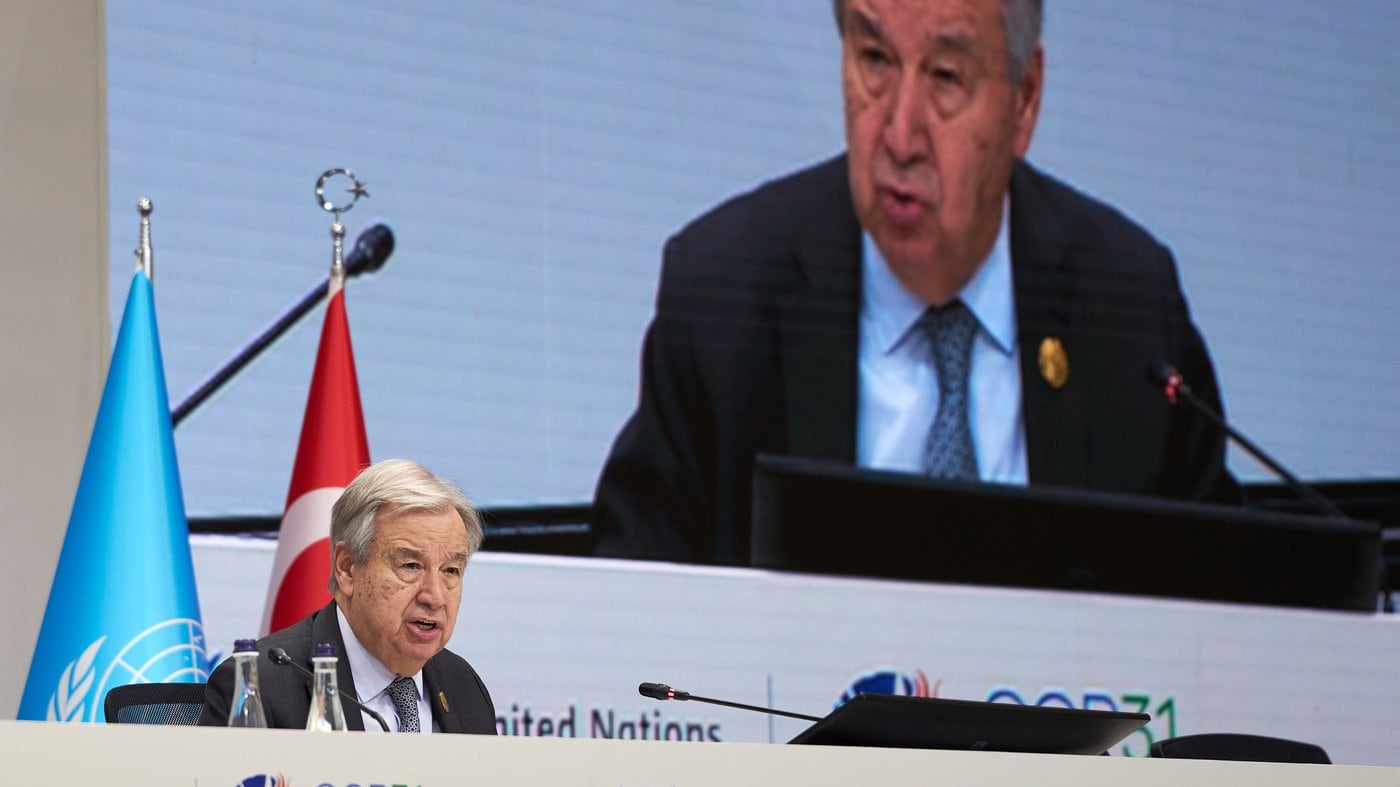
“Take action to prevent the use and spread of these merciless weapons,” UN chief Antonio Guterres told the conference on Monday.
“We must never stop shielding civilians from the carnage and devastation of armed conflict, and preventing unnecessary suffering.”

