


James Moore is a former federal cabinet minister under prime minister Stephen Harper, and a columnist for CTVNews.ca.
Pierre Poilievre is back as a member of Parliament and as the leader of His Majesty’s Loyal Opposition, and all Canadians will benefit from an energized, humbled and refocussed official Opposition.
It has been over five months since Mark Carney became Canada’s 24th prime minister and while he has faced enormous challenges – principally President Trump, but also the weight and complexity of standing up his own government – he hasn’t faced any real opposition. That holiday is over. And the and the country will be better for it.
A smooth honeymoon so far for Carney
Since the 14th of March, when he was sworn in as prime minister, Mr. Carney has enjoyed a relatively smooth honeymoon – though I imagine many in his government would disagree.
But, certainly compared to other new prime ministers through the sweep of Canadian history, he has had an open field in front of him and little to no significant obstacles to entangle his government. This comfort is useful for a new prime minister dealing with the current White House and all its associated challenges, but it doesn’t serve Canadians well.

In my lifetime, I don’t think there has been greater serenity between the Prime Minister of Canada and our 13 premiers.
Stephen Harper had open ugly hostility from Premier Danny Williams of Newfoundland and Labrador that was a significant distraction for the government in the whole region of Atlantic Canada.
He had Ontario Liberal Premier Dalton McGuinty leading a large majority government who was often not aligned on major priorities.
Prime Minister Chretien had it significantly worse with Premiers Parizeau and later Bouchard in Quebec and the national unity crisis that reached its apex moment on Oct. 30th, 1995, with a referendum that nearly saw Canada permanently broken apart.
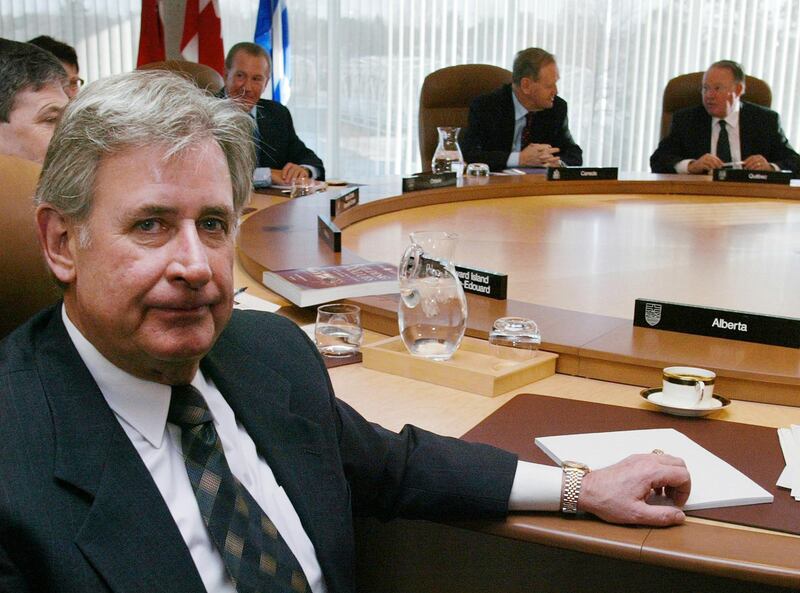
And, to his west, Prime Minister Chretien had Alberta Premier Ralph Klein (and the Reform Party movement behind him) that clashed with him regularly – particularly over health transfer cuts to provinces from Ottawa and Alberta’s approach to delivering health services.
Our history books are filled with examples of fed-prov tensions that have shaped Canada; think Peter Lougheed and Pierre Trudeau, Brian Mulroney and Clyde Wells, the list is long.
Throughout Canadian history, governing effectively through the incoming fire of hostile premiers in one form or another is the normal reality, but not yet for Prime Minister Carney. To a large degree it is easy to understand why there is so much political peace at the moment. Canadians want to see solidarity by our political leaders in the face of the economic threats of President Trump.
“Elbows Up” and working together, and First Ministers Meetings, and consultations, and joint statements, and press conferences about putting Canada first and working together, that is order of the day and hope of Canadians in these stressful times.
Even our big city mayors have all holstered their political weapons and aligned with Prime Minister Carney in the hope that collaboration will yield more meaningful outcomes for their cities and to avoid the accusation of rocking the “must unite for Canada” ship in any way.
Business & labour holding back
Further, most business and labour organizations across the country are all holding back from any aggressive criticism of Prime Minister Carney in anticipation of the coming federal budget, which could be a watershed moment in Canadian politics and governance given the dynamic with the United States and the high expectations due to Prime Minister Carney’s resume.
The only significant opposition we have seen thus far has come from some First Nations and environmental voices related to Bill C-5, the “One Canadian Economy Act.” And while the arguments in opposition to C-5 were loud, they have not had any negative impact on Prime Minister Carney’s standing in public opinion.
But the absence of a robust and thoughtful opposition to the government is bad for both the government and the country. The challenge function to our government has been absent for too long.
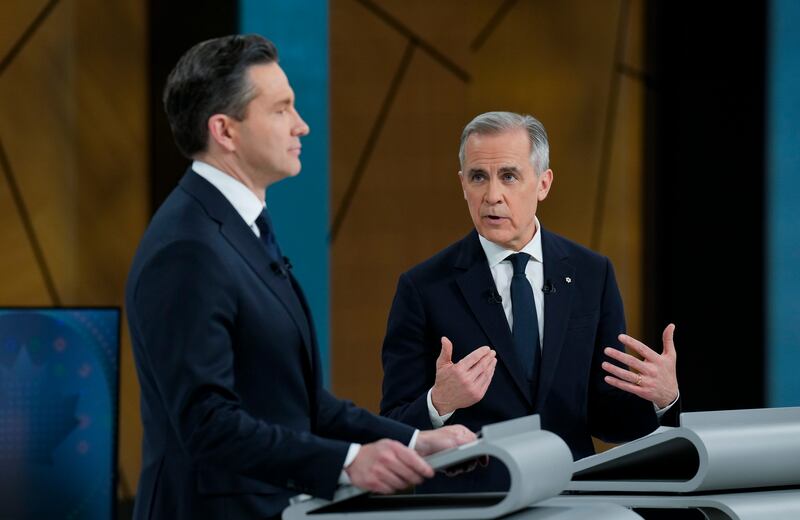
Since the election in April, there has been a holiday from the historic norm of an effective opposition. The NDP doesn’t have party status or any announced leadership candidates making noise on the issues, the Bloc Quebecois have their usual regional mandate and an eye trained on the fall 2026 provincial election and what its fallout portends, and the Conservatives have been holding still until Pierre Poilievre secured his by-election win.
When the House of Commons resumes, and the Speaker of the House begins the first question period by rising to his feed and nodding to the member of Parliament for Battle River-Crowfoot and saying “Oral Questions, the Honourable Leader of His Majesty’s Loyal Opposition,” at that moment, Prime Minister Carney will enter a new and unfamiliar theatre of quick clips, sharp rhetoric and tough questions like he has not yet seen.
He may well thrive in the environment, time will tell. But it can certainly be said with confidence that Canadians will be better for the accountability.
The deference the prime minister has been afforded has politically served him well up to now. But the accountability, questions and real pressure are now going to pour in. This will yield better government over time, accountability and a clear contrast between two leaders for Canadians to choose from whenever the next election may come.
More from James Moore:

