James Moore is a former federal cabinet minister under prime minister Stephen Harper, and a columnist for CTVNews.ca.
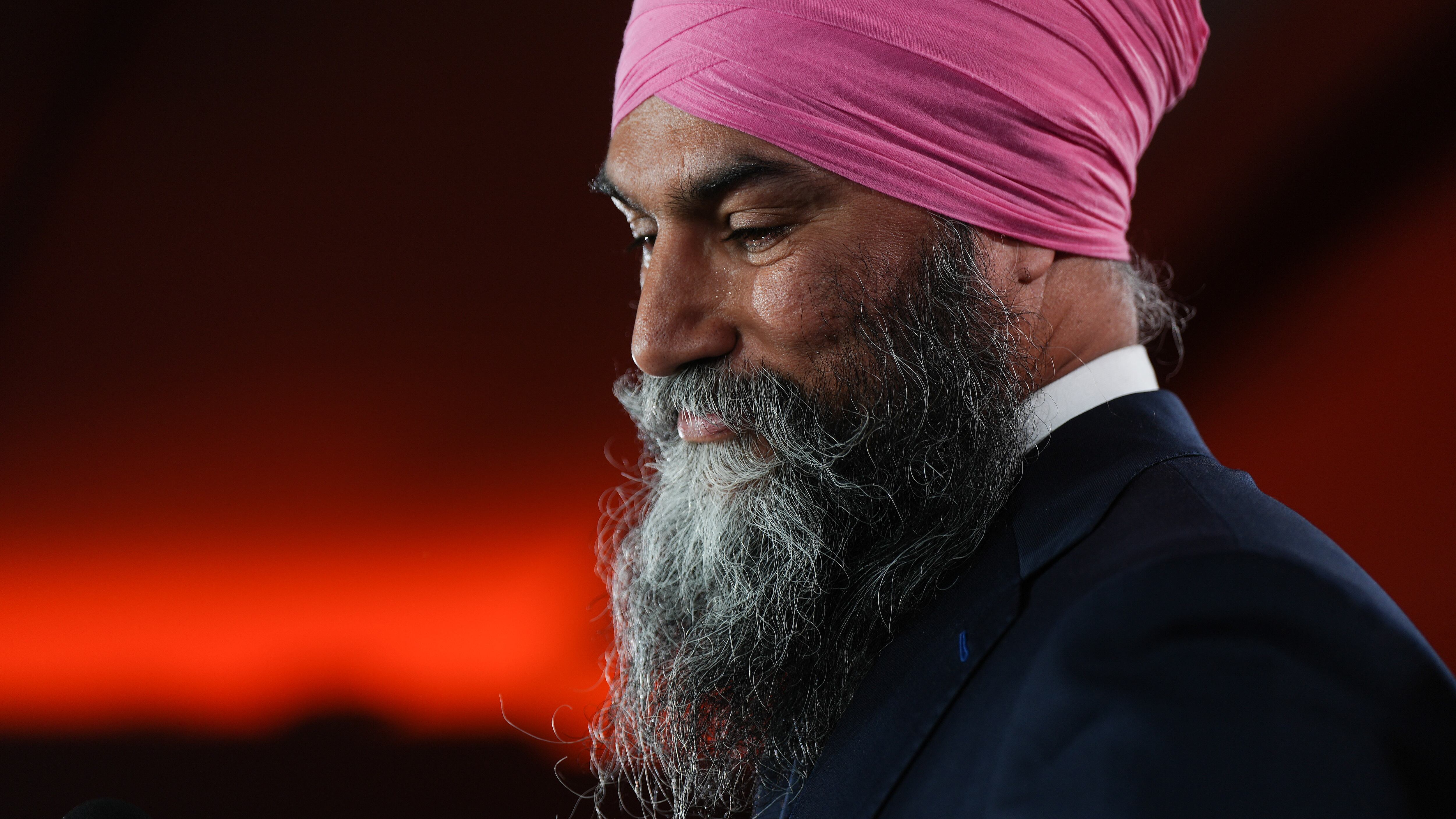
It is very hard to overstate how disastrous the leadership of Jagmeet Singh was for Canada’s NDP. I really don’t mean to be cruel or cheap more than four months since the April election campaign by kicking a former leader and party while it is down, but it really is astonishing how thoroughly Mr. Singh cratered almost every aspect of the party during his 7.5 years of leadership.
Last week, it was reported that Edmonton Member of Parliament Heather McPherson and twice defeated (with third place finishes) activist Avi Lewis are preparing their campaigns to lead the NDP. The signature collecting, team building, fundraising is all underway apparently. It will be a short-ish leadership race from now through to March 29 in Winnipeg, but the party has been cracked and hobbled so badly that the selection of a new leader is the easiest part of the challenges they face.
Back to Jagmeet Singh. After the election, former NDP MP Charlie Angus summed things up thusly at a press conference held a week after the federal election in which the NDP lost 17 seats: “When it came to the biggest economic and political crisis in memory, we didn’t have an offer on the table because we were selling a leader and his likable personality and his style.” Correct. Added Angus: “We stopped being the New Democratic Party of Canada some time and we became a leader-driven movement.” Correct again.
For generations, the NDP has contributed enormously to Canada. Historically they have been a consistent voice for the economically voiceless who have too often been left behind by a brutish part of capitalism that needs some safeguarding, passionate defenders of the collective interests that must exist for us to have a cohesive society, and they have produced some of the finest parliamentarians who have held governments accountable over the years.
In my years in parliament (2000-2015) I remember vividly when the late Bill Blaikie would rise from his seat to his full six-foot six-inch height, take a deep breath, and utterly dismantle the illogic behind a minister’s pitiful response to a previous question from a colleague.
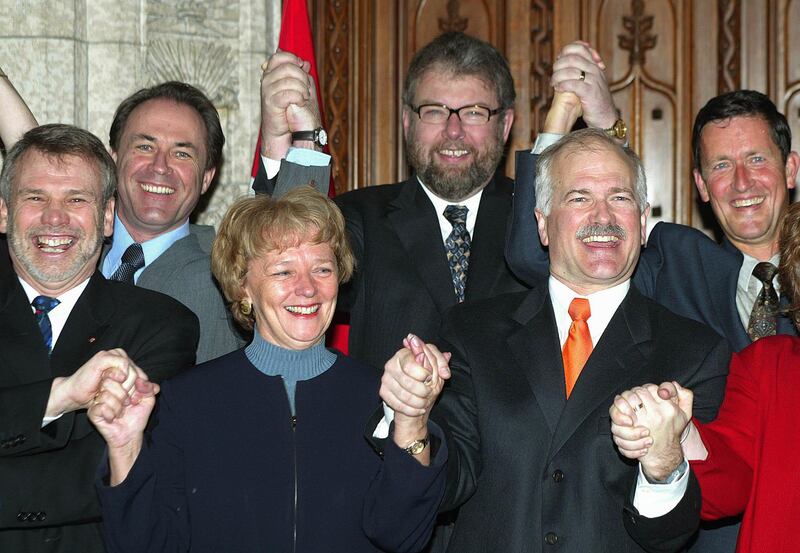
I remember when Jack Layton would be in full emotional flight with a passionate question about the importance of cities to Canada’s future.
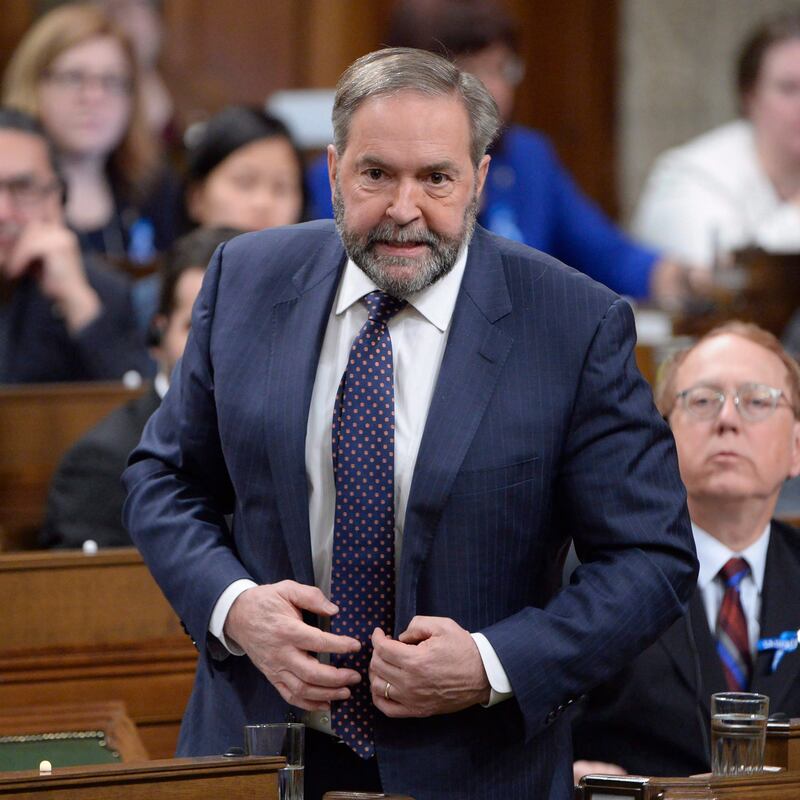
And, I remember when I had the privilege to substitute in for Prime Minister Stephen Harper during the leaders’ round of question period and the Speaker of the House would begin the fun and say: “Oral questions, the Honourable Leader of the Official Opposition,” and Tom Mulcair would rise to his feet, cinch the top button on his coat, square up and stare across the floor at me and begin a multi-stage prosecution of the government in both official languages that, at times, left us reeling.
But those days are gone. Long gone. When Jagmeet Singh took over the helm of the NDP he made a tactical decision to wed his political fortunes to those of Prime Minister Justin Trudeau.
The ‘wins’ that came with the agreement were a cheap bargain for the wide berth it afforded Justin Trudeau to slumber forward for most his time as prime minister without having to worry about any serious pressure, threats or even meaningful chastising from the NDP corner of parliament.
Jagmeet Singh took his team off the field for crumbs in return. Even as Prime Minister Trudeau’s numbers were in freefall across the country, and even with the NDP’s support even or greater than the Liberals in English Canada, Jagmeet Singh stood with Justin Trudeau in an astonishing act of political self-immolation.
So, it was not much of a surprise that on election night in April the NDP was what Charlie Angus called “an unmitigated disaster.” Mr. Singh lost his own seat, the party lost official party status in parliament with a meager 7 seats, and they have been utterly irrelevant in the public discourse since.
The party is bereft of ideas, leadership, seats in parliament and they’re broke. Jagmeet Singh and the NDP ran their disastrous campaign on borrowed money – millions of dollars – and there is no clear pathway for them to dig their way out. They don’t have any significant fundraising infrastructure (this has long been the case), their coming leadership race will siphon any available NDP donors away from party giving towards candidate giving, and their debts are continuing to pile up.
Making things worse, out of the 343 electoral districts across Canada, less than 50 received the requisite 10 per cent of the popular vote threshold to qualify to receive back rebates for funds spent in the campaign.
So, the national party is broke and the local electoral districts are, too. They have no resources to organize and prepare for an election in this minority parliament and, again, those leadership candidates will be looking to draw any of those traditional local donors to their leadership coffers. It is a mess. Perhaps a fatal one.
In June an Angus Reid report summarized how tough the situation is for the NDP. “When (voters are) asked if they would consider the NDP in a future election, just 13% of Canadians say this is ‘definitely’ something they will do.” Just 13 per cent of Canadians, a staggeringly sad collapse for a once great party.
Jagmeet Singh was the worst leader in the history of the New Democratic Party of Canada, and it is not good for Canada that the party of such historic significance is in pieces.
In the months ahead it will be fascinating to see where things go from here. Does the party disintegrate into political dust? Will a culture war leadership race emerge to attract membership sign-ups over issues like Israel and Gaza that result in a politically impossible mandate for a new leader? What will NDP Premiers David Eby and Wab Kinew do in reaction to this wreckage? What will the party do about their collapsed infrastructure and financial mess? Is it over?
Tough and fascinating times ahead for a once great party.
More from James Moore:

