Eric Ham is based in Washington, D.C. and is a political analyst for CTV News. He’s a bestselling author and former congressional staffer in the U.S. Congress and writes for CTVNews.ca.
After a gruelling campaign back in the spring, Prime Minister Mark Carney broke with tradition. Eschewing the first foreign visit to the United States, Canada’s biggest trading partner and closest ally, Carney instead chose Europe.
The symbolism and message were undeniable as U.S. President Donald Trump had spent months attacking America’s northern neighbour.
The prime minister then doubled down on that initial trip with a follow-up to Europe, as Canada continues efforts to unravel its dependence on and allyship with the U.S. amid President Trump’s antagonism and truculence.
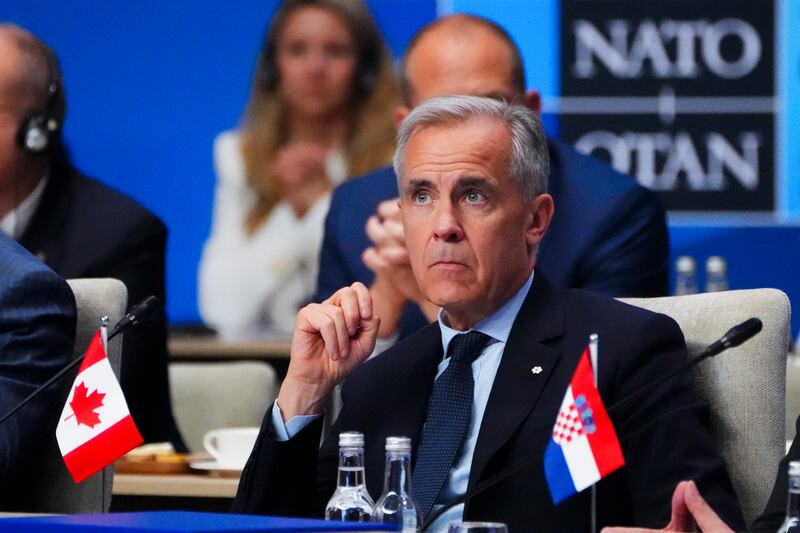
The prime minister’s visit to Latvia, Poland and Germany along with a surprise visit to Ukraine — to mark its Independence Day — comes amid growing tensions with the United States. The trip highlights just one of many efforts undertaken by Ottawa to advance and deepen relationships with other nations, even as ties with the United States continue to crumble.
Record purchases of Canadian crude by China; re-establishing diplomatic ties with India; and now investing in ties throughout Europe all underscore a government and nation preparing for a deepening Cold War with America led by its unpredictable president.
Still, if Washington is concerned with recent moves by the Great White North, it is not revealing its hand.
Canada’s latest overtures, including the elimination of retaliatory tariffs; cordial phone calls; and in-person meetings, all make clear Canada’s willingness to keep Washington close.
Unfortunately, the Trump White House does not appear to be in a reciprocal mood as duties on Canadian steel, aluminum, and copper remain at an astronomical 50 per cent.
Yet, based on Carney’s European trip, Ottawa appears to be preparing for a time when the United States is no longer the reliable partner and economic engine it has served as for decades.
Canada is positioning itself as a key supplier of energy and critical minerals to Europe, with Prime Minister Carney pledging major investments in infrastructure to allow exports to Germany and beyond. A peculiar and noted move considering the Trump administration’s ambitions to improve America’s global positioning of rare earth minerals.
Prime Minister Carney, during his visit to Germany’s capital, Berlin, said at a press conference alongside German Chancellor Friederich Merz: “The number one focus of this government is to build that infrastructure, and particularly infrastructure that helps us deepen our partnership with our European partners and particularly Germany…”
Canadian Energy Minister Tim Hodgson added: “On rare earths, Canada is in a position to develop the only mine-to-magnets complete supply chain outside of China in the world.”
Certainly a missed opportunity for Washington as it seeks to gain a foothold in the race against Beijing for control of critical minerals. No doubt, the prime minister is acutely aware of this dynamic as he navigates the geopolitical minefields in the back and forth with the Trump administration.
Not stopping there, Carney also made a point to insert Canada into the Ukraine-Russia war with his surprise visit. The visit comes on the heels of the hastily orchestrated and clumsily executed Alaska Summit where Russian dictator Vladimir Putin once again appeared to outmaneuver President Trump.
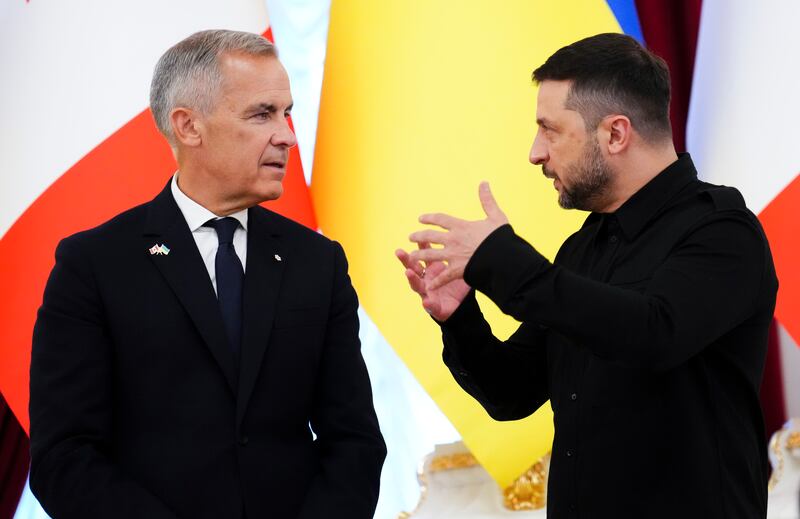
Carney, by contrast, left no room for doubt where his country stood on the brutal war. “Canada’s support for Ukraine is unwavering,” Carney said. “We are with you every step of the way, in your fight to defend your sovereignty, and to realize your dreams for your country.”
Still, the prime minister offered an olive branch to the U.S. president. In a show of diplomacy, Carney said, “I applaud the leadership of the transformative U.S. President Donald Trump in creating the possibilities for peace.”
From securing deals on critical earth minerals; to fortifying ties with Ukraine in its ongoing war against Russia; to the procurement of submarines, Prime Minister Carney is once again making Canada’s presence felt on the world stage.
The message is undoubtedly clear: Ottawa, while welcoming and being open to maintaining a partnership, will only do so in a way that offers mutual benefit.
Choosing German defence contractors over American companies and offering co-operation on critical minerals are massive missed opportunities for U.S. economic and security interests. Both make clear Canada’s strategic importance on the global stage.
Carney’s trip abroad is another demonstration of Ottawa’s growing international influence. Canada has now cemented geostrategic opportunities in Europe. It has also forged an alignment with other nations surrounding Israel’s ongoing conflict in Gaza.
Moreover, the prime minister is carefully and methodically making nascent overtures to China and India. Two rising powers that will prove pivotal to geo-economic interests throughout the 21st century.
Nevertheless, Carney’s overseas trip sent a strong and unequivocal message to Washington that, should the president continue to stiff arm Canada, the Great White North has lined up other suitors waiting in the wings.
More from Eric Ham:

