Canada’s natural resources minister says the United States is “very interested in energy security,” when asked by CTV News about discussions around a potential revival of the Keystone XL pipeline during the Prime Minister’s White House visit.
“To the extent that they want to talk about a shared North American energy security in conjunction with shared North American views in some of the other affected areas of our negotiations, we’d be very open to that,” said Tim Hodgson.
Canada is not “hung up” on a particular route if it means sharing Canadian oil, the minister added. ”If the Americans want to explore a particular route, and it’s part of those larger discussions, we’re open to that.”
Hodgson did not offer any specifics or further details about the White House conversation last week, which a source previously described to CTV News as “very initial conversation” on the potential of reviving the Keystone XL pipeline.
The now-defunct pipeline project was set to run Alberta crude oil to refineries on the U.S. Gulf Coast and was quashed under both U.S. presidents Barack Obama and Joe Biden. U.S. President Donald Trump revived it during his first presidency.
This week, a spokesperson for South Dakota Governor Larry Rhoden told CTV News the governor is “very interested” in the possibility of the project’s revival.
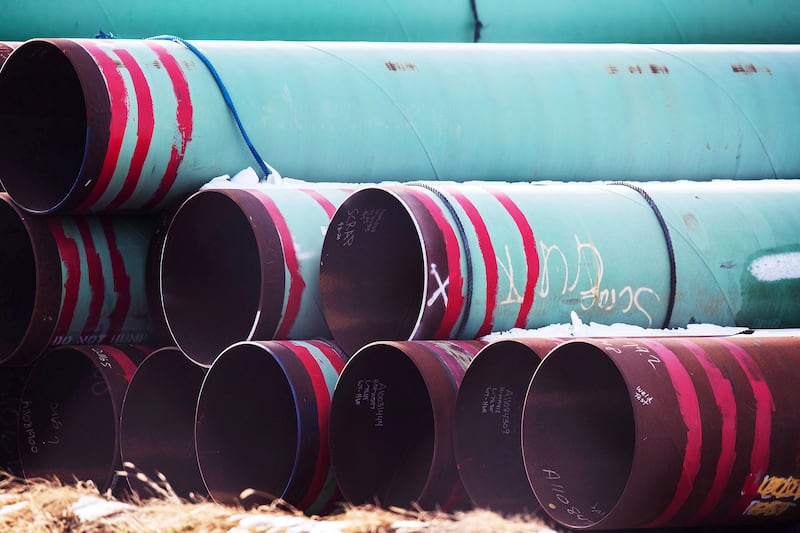
“The pipeline was slated to be built just a few miles from his ranch, and it would’ve been a major property tax benefit to rural South Dakota communities,” said press secretary Josie Harms.
Reviving the twice-cancelled project is not without challenges.
Minister Hodgson spoke to reporters over Zoom from London, England, where he wrapped up three days of meetings. He said he focused on critical minerals, nuclear energy, as well as “met with major investors and mining companies with a keen interest in expanding operations in Canada.”
In response to a question on Chinese appetite for Canadian oil and LNG, Hodgson said “I don’t need to go specifically to China.”
“I can tell you in all of my visits, the answer is, unequivocally, the world is looking to increase access to Canadian conventional energy.”
With files from Brennan MacDonald and Jeremie Charron.

