
The Saguenay-Lac-St-Jean region of Quebec’s tight links to the aluminum sector date back more than a century, but many in what is known as “aluminum valley” are now looking to Ottawa’s budget for solutions in the face of the tariff war.
U.S. tariffs of 50 per cent have scrambled highly integrated metal supply chains, and delivered a blow to the sector.
“I know aluminum, and aluminum knows me,” said Remac CEO and Andre Poulin. “My father worked for forty years at the smelter that was then Alcan. I have heard people talking about aluminum all of my life.”
He founded Remac along with his brother forty years ago, when he was just 21 years old. It transforms aluminum into a wide range of structures including docks and pylons. He was developing new markets south of the border for his patented assembled telecom towers, but then came the 50 per cent tariffs.
“So, we cannot be competitive in that market,” says Poulin. “We have a grant from Canada Export and we told them that we would not take the money because we would not be able to sell the towers in the States anymore.”
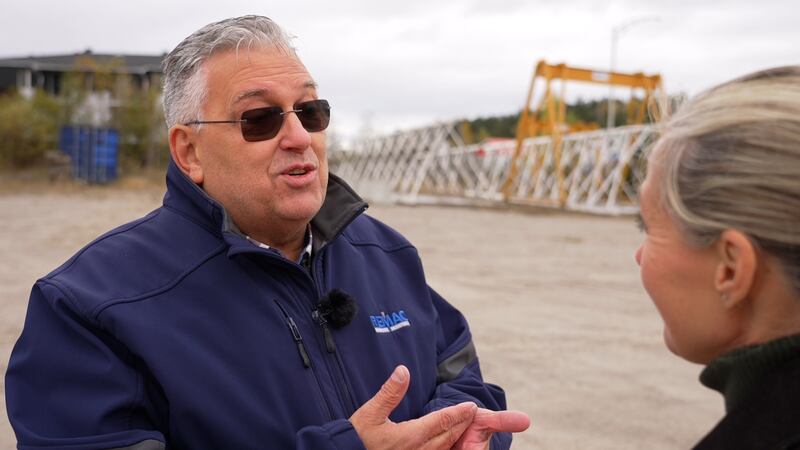
Poulin says Remac’s wide range of products and markets outside North America keep the business busy, but he wants Ottawa to come up with creative solutions.
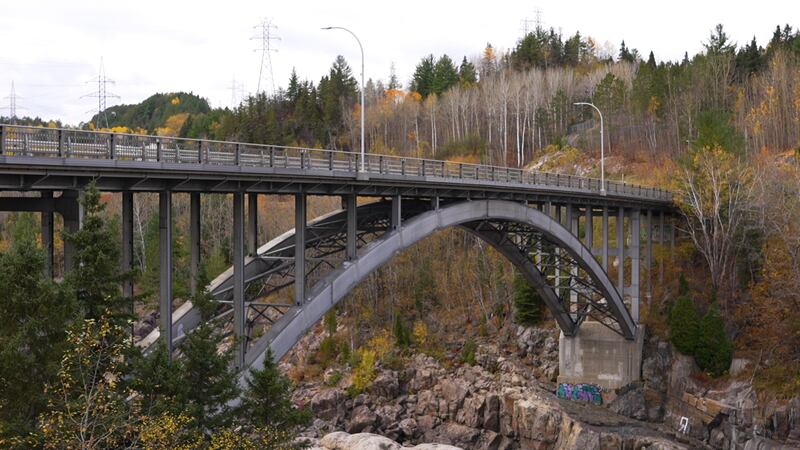
He says all levels of government should consider using aluminum in a wider variety of projects, pointing to the Arvida aluminum bridge spanning the Saguenay River since 1950. It is the longest aluminum bridge in the world.
“We have to be our own boss,” said Poulin. “We have to think outside the box.”
The association representing primary producers of aluminum estimates the sector has lost five hundred million dollars to tariffs.
“We shipped 52,000 tonnes of metal a week to the U.S. at 50 per cent tariff,” said Aluminum Association of Canada President and CEO Jean Simard.
“So, it is highly impactful. Before you can bring this to a full stop and divert some of that metal to other markets, it takes weeks.”
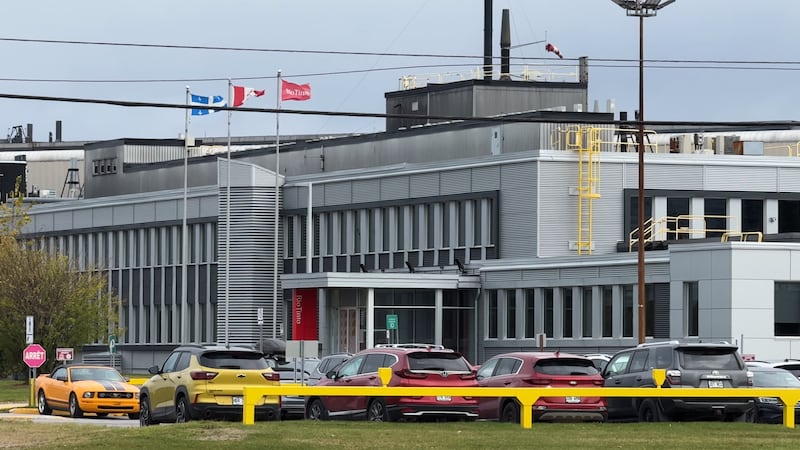
Multi-national giant Rio Tinto, which is an important employer in the Saguenay region, is going ahead with a smelter modernization project. Still, employees have lingering concerns.
“Everybody is still at work,” said Unifor union representative Donat Pearson. “But we never know what is going to happen next, if for instance, there are more tariffs next month.”
After CTV News spoke to Pearson, U.S. President Donald Trump promised to put an additional 10 per cent tariff on Canada, but did not provide specifics.
The Liberal government has already unveiled some relief measures expected in the budget that could help the aluminum sector, including a $5 billion fund for tariff-battered industries and a buy-Canada procurement policy. But the industry is also counting on Ottawa negotiating a deal.
“Beyond what the U.S. says, or some people in the U.S. are saying, they do need our metal. We represent 70 per cent of their imports of aluminum,” said Simard.
“They consume five million tonnes, they produce 670,000 tonnes. It’s the equivalent of one smelter on the north shore of Quebec. So they have a choice. It’s either metal from the Middle East, from Russia, from China, or from India versus Canada.”
Simard says a good deal for the aluminum sector would be one granting a full tariff exemption, but he concedes that we no longer live in a tariff-free world, that this is a thing of the past. And so, he says that Canada should get at least a most favoured nation status, and have a significantly better deal than any other nation in the world.

