James Moore is a former federal cabinet minister under prime minister Stephen Harper, and is a contributing columnist for CTVNews.ca.
The byelection results on Monday night in Terrebonne, Scarborough Southwest and University--Rosedale have given everyone much to consider about the shift from minority to majority Parliament and the anticipated and rumoured fallout to come.
In our 343-seat national legislature -- unless there are additional floor-crossing MPs on the horizon -- having a two-seat majority is still very unstable.
Health challenges, quitters to provincial or local politics, family demands and/or exhaustion of travel to and from Ottawa, private sector opportunities, perhaps reverse floor crossings at some point; at any point one of these or some other dynamic could easily draw this new majority back down to a minority.
But, for now, for the sake of this piece, let’s assume there will be a majority Parliament for at least another calendar year, perhaps three.
In the spirit of spring, new beginnings, and wanting to see the brighter side of things, herein are the silver linings for each of the parties as a consequence of the results of the byelection on Monday night and the new majority Parliament.
For the Liberals, the bright side is clear. They have secured their majority and can force their agenda and timeline onto Parliament. Finding willing governing partners and votes on a regular basis is not of their concern.

No ‘confidence and supply agreement’ is needed, no hoping for abstentions, none of that. The government house leader and whip will have to make certain of the arrangement of things, but assuming that that is in hand, the parliamentary dramas should be at a minimum.
The certainty of Parliament will also free up the prime minister to take the coming months and strategically reimagine their parliamentary agenda and aspirations - and they should.
The legislative calendar no longer must be populated with just the defensive ‘must dos’ in anticipation of an election in 12 months. It can now be re-shaped into longer-term thinking about Canada’s needs beyond a 2026 or 2027 political payoff.
They can, as they saying goes, plan for the next generation and not just the next election. This is a rare window of opportunity that historic figures should thirst for: the chance to not just talk big, but truly think big and act big.
It was said that Prime Minister Carney’s first budget back in November of 2025 -- with all the anticipation and build-up coming on the heels of his election and his first opportunity to respond the Trump tariffs -- was going to be historic. It wasn’t. With his new majority in pocket, the 2026 fall budget will now be a new big test of the prime minister’s real aspirations on economic policy and using the levers of a federal budget to demonstrate what his vision is.
Without oppressive political calculus leaning on each pillar of his budget document, it will be fascinating to see where his broad coalition of MPs align behind this coming budget and what it says about the prime minister’s roadmap for Canada.
A further benefit of a majority Parliament for the government is the latitude they will have in considering the coming reevaluation of the Canada United States Mexico Agreement (CUSMA) on trade. By having legislative tools at their discretion to align Canadian trade policy, regulations, financial instruments in support of industries, make legislative change to coordinate trade alignment with CUSMA partners -- the flexibility will be an invaluable tool in their negotiating toolbox to deliver outcomes for Canadians on a timely basis.
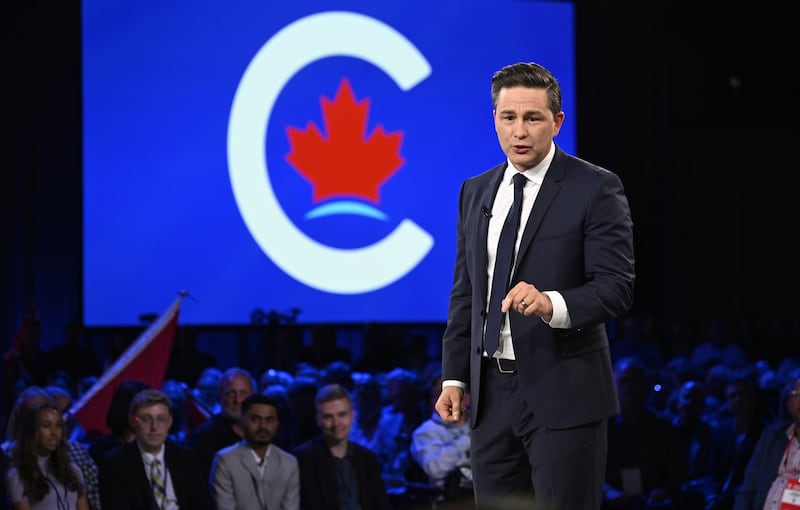
Conservatives: time for policy renewal
For the Conservative Party, the silver lining of the byelections is time. While the government is consumed with the above, the official opposition can launch their two-track broader plan for establishing themselves as an effective opposition in a majority Parliament while positioning themselves for a 2029 campaign instead of a campaign in six to 12 months.
The differences on both fronts stark, compared to the minority Parliament opposition footing they have been on since Justin Trudeau was held to a minority back in 2019.
For Canada’s system of checks and balances to work at the federal level in the interests of Canadians, the most fundamental component is a tough, responsible, studious and sincere opposition party staffed with competent parliamentarians.
The very good news is that the Conservative Party under Pierre Poilievre is properly positioned to do just that. While governing is the job they wish they had, being an effective opposition in a majority Parliament is an essential component in seeing that Canada is governed well.
They should find great pride in being a strong and effective opposition on behalf of Canadians. And in Pierre Poilievre, Michael Chong, Raquel Dancho, Adam Chambers, Michelle Rempel, Gérard Deltell, Laila Goodridge, Melissa Lantsman and many more (names that should all be better known by Canadians than is currently the case) the party is well equipped to chastise, oppose, propose, offer amendments, ask questions and look like a thoughtful group of men and women passionate about the affairs of government -- so much so that Canadians could see them as worthy of running the government when the incumbent one slips and falls. Be patient, good work gets rewarded eventually.
The other silver lining that this timing reset of the now majority Parliament is that the party can do some renewal. Fundraising has always been robust. Pierre Poilievre will always be the hardest working politician in the land -- and he shows it constantly.
What does need a deeper refresh, however, is the policy book for 2029 and beyond. Successful conservative movements have always had as their foundation substantive policy proposals -- far more so than sentimentality. It has been too long since we have heard the Conservative Party talk in significant depth about several policy issues beyond taxation, pipelines and an assortment of hot button issues du jour.
Headway has been made on immigration seriousness by MP Michelle Rempel, on housing realism by MP Scott Aitchison, on cost-of-living stresses by Pierre Poilievre, but on many files it seems like a vast void of ideas.
Where is the party on agriculture policy modernization and expanding global markets beyond energy? Is there a culture policy, or even an aspiration towards one? Environment and climate change has gone quiet as a political priority, but it will certainly be an issue of governing concern when the time comes.
Rick Hansen gave a stirring speech on the weekend about Canadians living with disabilities, and all parties should have something to say here, but I haven’t heard anything from the official opposition on this front. There is so much opportunity to do good policy work and the time has arrived to get it done properly for the next evolution of Canada’s eventual next government.
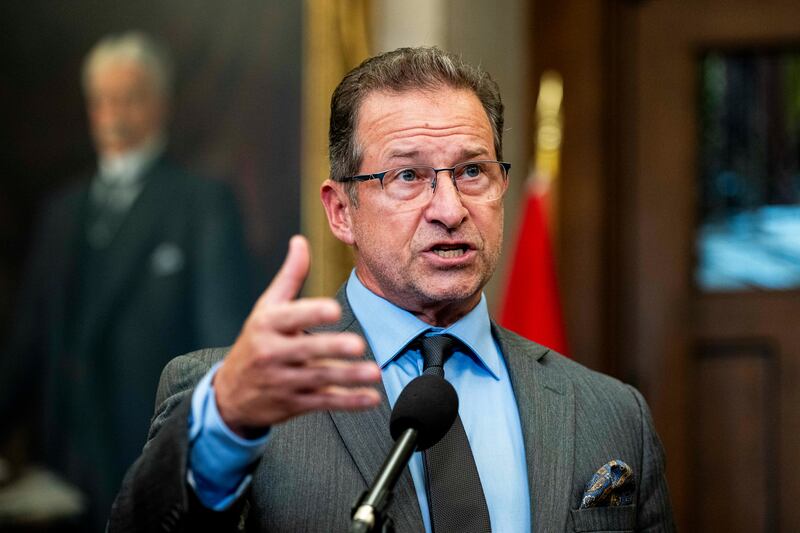
Bloc: provincial focus, federal agitation
For the Bloc Québécois the silver lining is they get to devote their time and energy into the coming provincial election in Québec where I personally wish them nothing but failure.
But from their world view, the byelections will cause them to reimagine their role as third-party agitators in Parliament from their Québec-first perspective, make some noise that might be politically accretive to their provincial friends in the Parti Québecois, and then, after the campaign, either be the federal boosters for the demands of the recently elected new PQ government, or assert their self-imagined vital role as the defenders of Québec interests against the Federal Liberal/Quebec Liberal hegemony that tends to leave Québec hopes unfulfilled -- or so they’ll say.
So the win-win portrait the Bloc Québecois has painted for itself since 1993 will continue in the coming years.
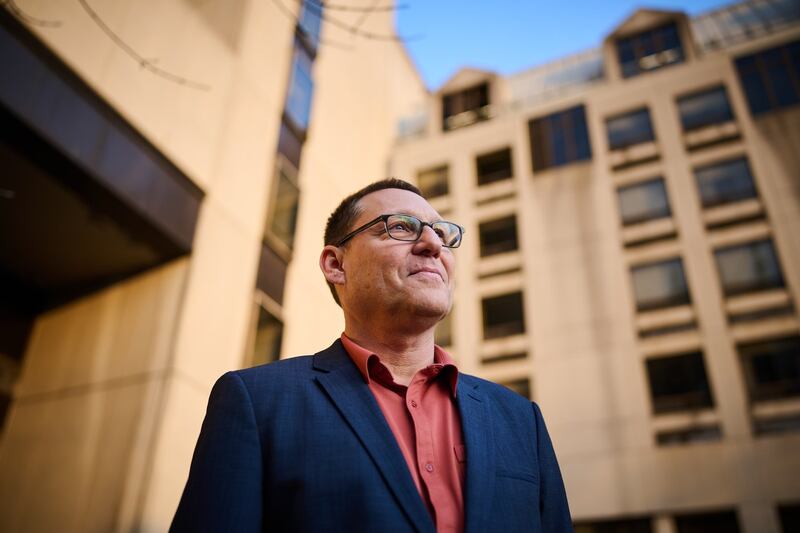
NDP: Time to get Lewis a seat
For the NDP, like the Conservatives, their biggest win out of Monday night is the recapture of time to get themselves looking anything like a relevant or meaningful force in Canadian politics.
They have time to raise money, time to build some organizational capacity, and time to get Avi Lewis, their new leader, a seat in Parliament. He needs to find his way into Parliament as soon as he can so Canadians can hear the left’s critique of Prime Minister Carney.
Of the six remaining MPs (likely 5 MPs after Alexandre Boulerice vacates for Quebec politics soon), Mr. Lewis will have to convince someone to offer him a seat for the balance of this Parliament.
Don Davies seems the obvious candidate -- after 18 years in Parliament, a stint as interim leader and coming from Avi Lewis’ home city -- perhaps it’s time to make way for renewal.
So there, as my mom would say, if you look hard enough you can always find something nice to say about everything. This is my contribution: out of three consequential byelections, these four parties should see the bright side of the results in the months ahead.

