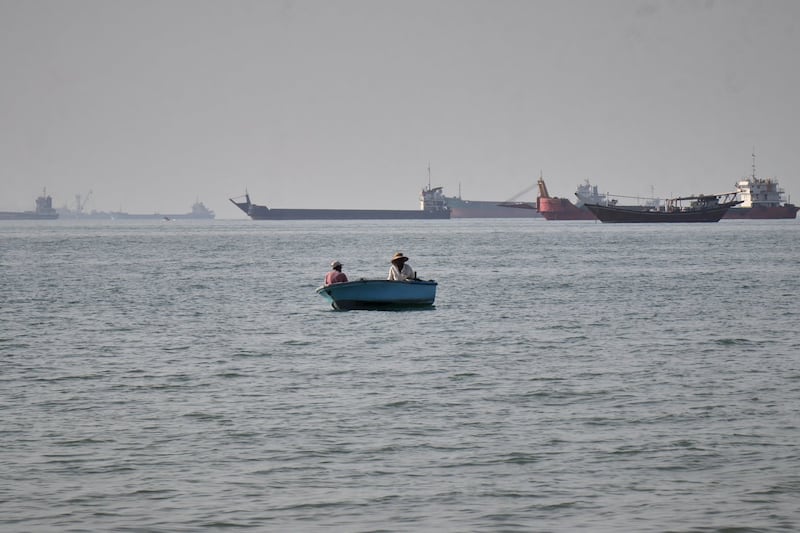
When the federal government suspended the excise tax that would save Canadians roughly 10 cents per litre, it was seen as the first and, perhaps, most obvious step to reduce the price at the pumps in response to the Iran-U.S. war shutting down a key oil-shipping corridor in the Strait of Hormuz and reducing global oil supply.
But there are other changes Ottawa could make to reduce the price of gas even further, one expert says.
For one, the Liberal government could remove GST and HST from gasoline, while provinces could suspend their provincial fuel taxes as well.
But according to former Canada Energy Regulator chief executive officer Gitane De Silva, there are some pros and cons to consider.
“If they’re not charging that tax to consumers, that’s less money going into provincial and federal coffers,” De Silva said in a Zoom interview with CTV News on Friday.
“On the flip side, because the price of oil is so high right now, governments are making more money,” she added. “The province of Alberta in particular is making a lot more money off of oil royalties at this time, and then the federal government is also collecting more federal tax. So there is a balancing act, given Canada’s fiscal situation about how much of a downside in terms of tax revenue each jurisdiction can afford.”
‘Once that tax comes off, it’s hard to put it back on’
Gitane also adds that the high price of oil is a “double-edged sword” where governments will have to weigh the short- and long-term benefits of their decisions.
“It is beneficial to energy-producing jurisdictions in the short term in terms of all of that additional tax and royalty revenue that is being collected which can then be used to fund all kinds of social programs. The downside is the longer the price is high, the greater the risk that the economy goes into a recession, and that means consumers are buying less.”
When it comes to what she would do if she was in a decision-making role, Gitane said Canada may want to hold off on removing taxes and instead find other ways to provide relief to Canadians in the short term, like providing a rebate.
“You could do things like potentially increase a GST rebate check, which is what we’re seeing,” she said, adding there are other ways the federal government can “recycle money through the economy.”
“Knowing that you’re going to have this increased tax revenue coming in for a while, you might actually want to help ease the pain in the longer term, as opposed to do something in the short term, because once those prices come down, once that tax comes off, it’s hard to put it back on.”
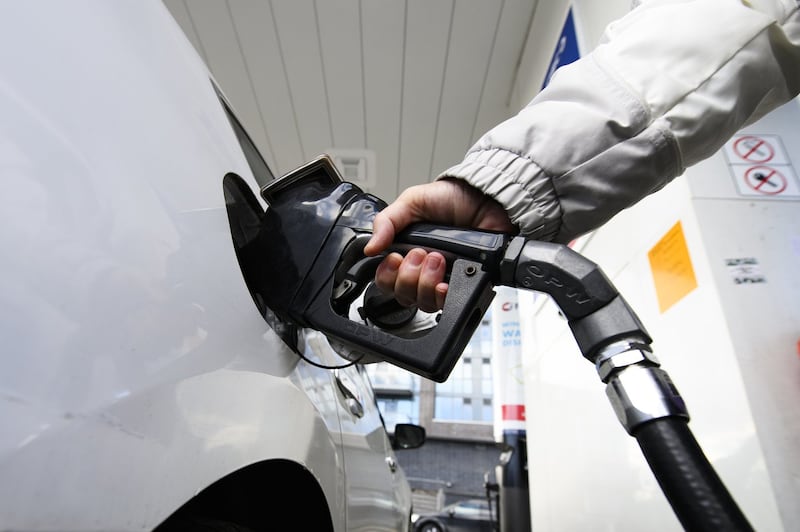
De Silva adds that even though Canada is among the largest crude oil producers in the world and gets most of its own oil domestically, the closure of the Strait of Hormuz halfway around the world still affects Canadian gas prices.
“Oil is a global commodity and the price is set on the international market, and a barrel of oil is not less expensive in Canada,” said De Silva. “Even though we are a major oil exporter, it does not cost us less to buy that at home than it would be what we would sell it for on the international market.”
De Silva adds that because there is now roughly 20 per cent less oil flowing to international markets, the demand is the same, so the price goes up for everyone.

