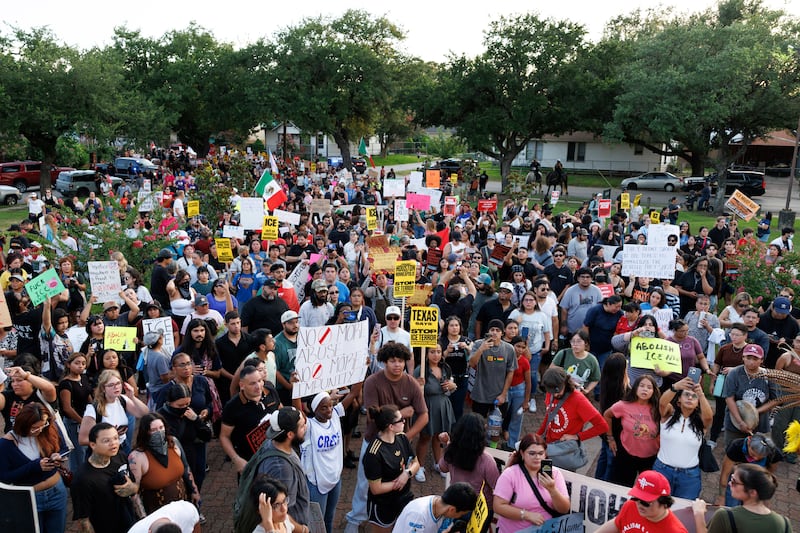
The Trump administration’s severe crackdown on immigration is leading to questions on how that will impact Canada.
Advocates are warning that more people will be looking for safety north of the border, as Washington pushes for mass deportations, with the goal set for one million per year, along with ending protection for some migrants.
However, under the Safe Third Country Agreement (STCA), many asylum seekers coming from the U.S. may be turned back at the Canadian border. The treaty between the two countries allows those seeking asylum to ask for refugee protection from the first safe country they land in. Those looking to cross the U.S.-Canada border to seek asylum can be turned back if they don’t meet certain exception, according to the agreement.
Immigration lawyer Joel Sandaluk said he doesn’t predict another wave of asylum seekers coming to Canada. He told CTV’s Your Morning on Thursday that the number of asylum seekers coming to the country peaked a few years ago, when 165 people were arriving per day from the U.S.
“Now it’s down to about 13 people a day,” he said. “Even if there’s a slight increase, it’s hard to imagine it will approach anything that it was before.“
Sandaluk also doesn’t think it will change how Canada does operations at the border, because significant changes have already been made since the STCA has been expanded. He added that the recently passed Bill C-12 – the Strengthening Canada’s Immigration System and Borders Act – has the capabilities to severely limit refugee protection for those looking to enter from the U.S., as well as for those who are already in Canada.
“Canada’s taken a number of legal steps to significantly curtail the number of asylum seekers here,” he said.
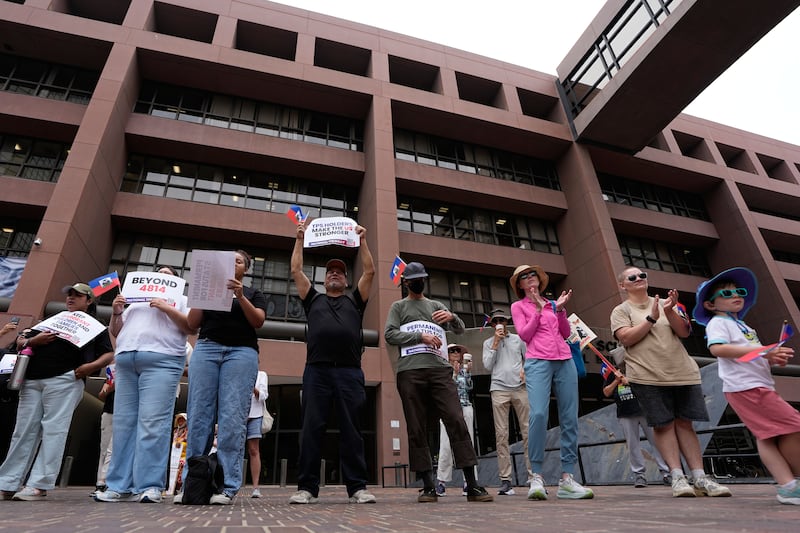
Most irregular crossing zones closed
Irregular crossing zones like Roxham Road between Quebec and New York, and Emerson, Manitoba, which connects to North Dakota, have largely been closed as a port of entry for a lot of asylum seekers, Sandaluk said.
But thanks to the STCA, it won’t make a difference if the crossing is regular or irregular because people still won’t be able to come to Canada and claim protection.
“Now that the pressure has come up a little bit, Canada has limited our option to people who are afraid to go back to where they came from,” he said. “The immigration system is ultimately a human system. And in many cases, the denial of protection in Canada can result in real and profound human tragedy.”
Sandaluk said it’s time for the STCA to be revisited, especially since the U.S. has changed their asylum process significantly.
“Canada’s (system) was always more open, but the gulf between the two systems now has just grown into something that’s very difficult to conceive of,” he said. “So, the idea of there being any kind of equivalency between our two countries on this issue, just doesn’t really make any sense anymore.”
The deportation targets set by the U.S., along with how that will impact Canada, doesn’t leave asylum seekers with many options, Sandaluk said, and will likely push them to go underground and remain there, or exist in the margins of American society.
“A lot of people, including children, including people with disabilities, or people who are obviously afraid to go back to where they came from, are all sort of left in the lurch,” he said. “These large policy forces don’t really recognize the human toll that these decisions are taking.”