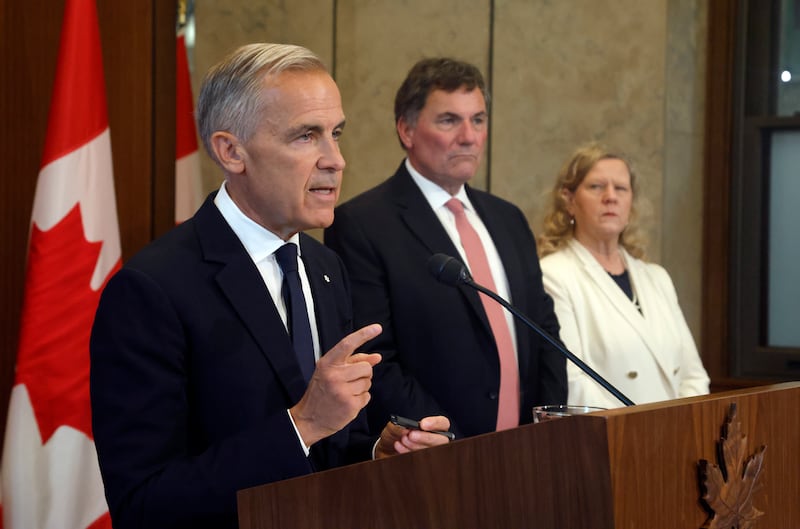
Tom Mulcair served as leader of the federal New Democratic Party from 2012 to 2017. He is a political commentator for CTV News and a columnist for CTVNews.ca.
Prime Minister Mark Carney has said since day one that no deal is better than a bad deal.
Perhaps walking away was inevitable, given the character and behaviour of U.S. President Donald Trump and his cabin boy, Howard Lutnick (U.S. commerce secretary), who showed up at the last minute with outrageous new demands.
As Manitoba Premier Wab Kinew brilliantly said last week, you can’t get a good deal with a bad person.
Telling his team to fly back to Ottawa was the right decision for Carney. That’s the easy part.
The tough part is figuring out how we get back to the bargaining table.
Carney wisely left the door open a crack when he said that Canadian retaliatory moves would come into effect on Sept. 8. That’s just over two weeks away and the day after Labour Day, when everyone is back to school or work.
Except for thousands of Canadians, there may be no work to return to after the summer break if things remain the way they are.
Carney was pitch perfect during his speech on Saturday and added some of the pithier parts in his questions and answers with journalists.
He notably referenced the U.S. debt situation and the fact, based on his vast experience, that markets may start to notice that the American fiscal house is not in order. It was cheeky, but poking the U.S. bear was fair ball after the collapse of the trade talks.
One thing stood out in Trump’s response, which finally came on Sunday morning. Sure, he looped back to 51st state nonsense, but he chose to rail against Canadian agricultural tariffs, saying: “They have also charged our great farmers, for many years, massive amounts of tariffs. No more!!!”
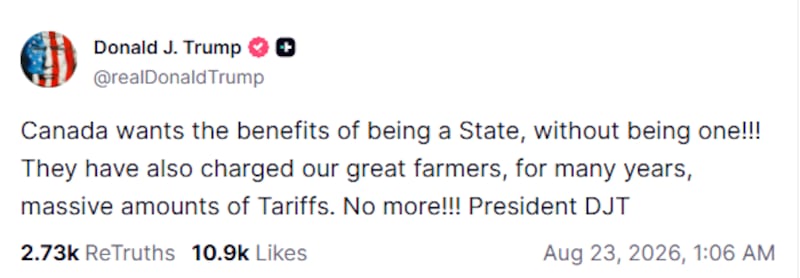
In choosing something as specific as agriculture and avoiding an exaggerated tirade, Trump may well be signalling what he sees: a precise problem that can be overcome, leaving the rest open.
There’s no point in pleading that the CUSMA deal allows for those tariffs and that Trump himself signed and boasted about how great CUSMA was. Like a child playing peekaboo, Trump thinks it’s disappeared.
But it’s there, and so is America’s largest trading partner.
That’s where Carney’s aside about America’s debt situation becomes so relevant.
Trump can con everyone in the room, but he can’t con the financial markets. They’ll make their own decisions, and the inability to secure a trade deal with your largest trading partner will weigh heavily on the minds of investors.
History of compromises
Consumers are also starting to realize that they are the ones paying Trump’s tariffs. It’s not Canadian companies that pay them, although they’re hurt by them. It’s Americans buying cars that contain tariffed aluminum and steel. The cost of building a home in the United States will also shoot up because most of the lumber sold in the United States comes from Canada.
All that is true, of course, but it’s of little solace to Canadians who will lose their jobs in the absence of a trade deal.
Neither hide nor hair has been seen of Lutnick since the failure that he provoked. That may also be a sign that Trump doesn’t take kindly to one of his subordinates trying to ‘out-Trump’ him in deal-making.
Trade Minister Dominic Leblanc and lead negotiator Janice Charette both deserve medals for their patience and forbearance during these arduous negotiations.
At this stage, however, it will take more than that to break the logjam without blowing everything up.
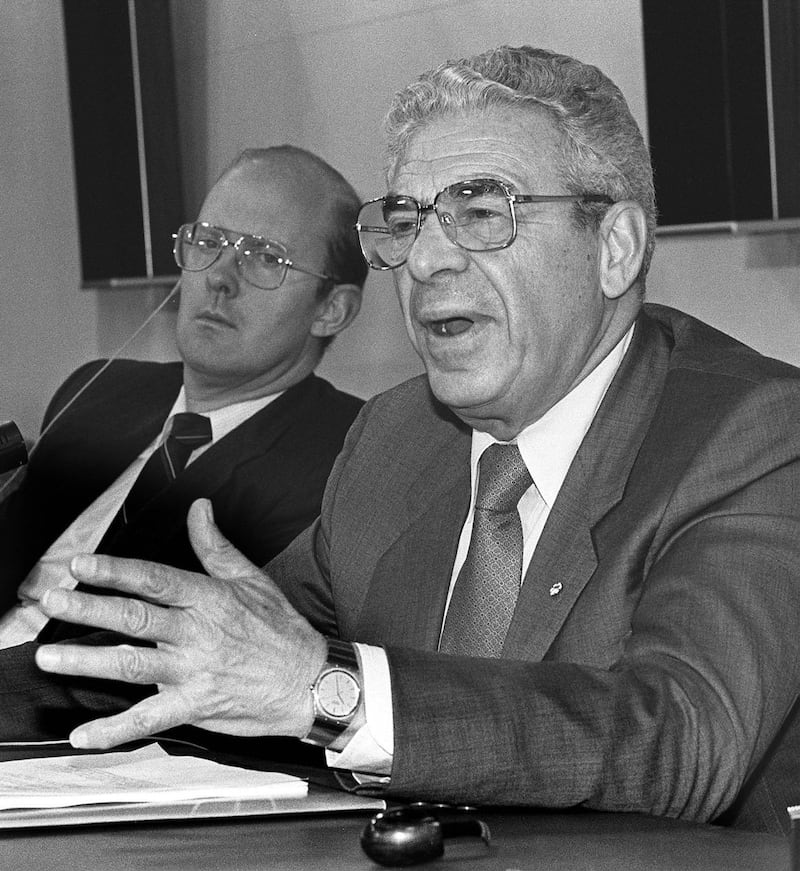
The legendary Simon Reisman led Canada’s negotiating team that gave us the Canada-U.S Auto Pact. He returned as Canada’s chief free-trade negotiator in the free-trade talks of the 1980s.
Chrystia Freeland got under Trump’s skin as our lead in the CUSMA talks, but the deal got done.
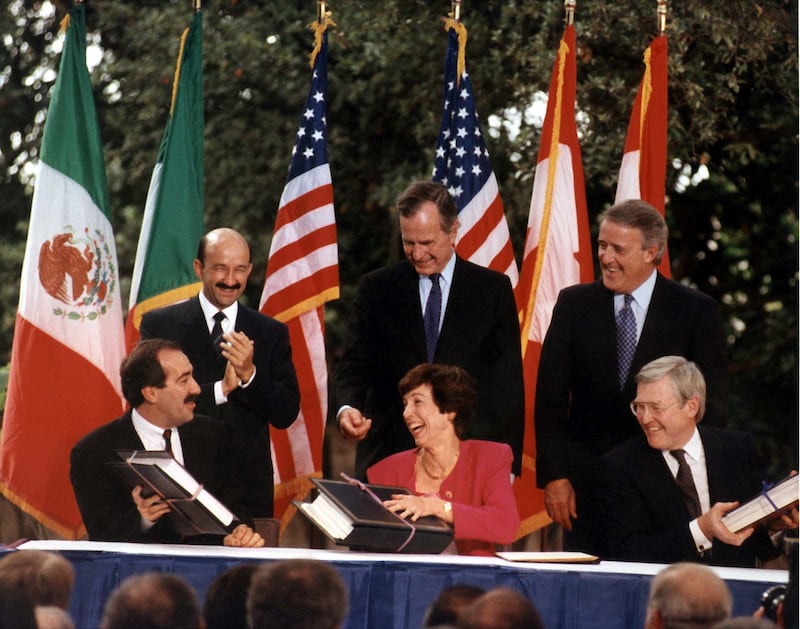
Prime Minister Brian Mulroney himself had to work directly with U.S. Treasury Secretary James Baker after talks broke down. Mulroney famously asked him why America could negotiate a nuclear arms treaty with its Soviet enemy but could not conclude a free trade agreement with its Canadian friend.
Just before the fast-track deadline, a compromise was found and the historic deal was sealed.
That’s where we are now.
Trump has proven himself to be incredibly unreliable in his dealings with his closest allies, and it’s beginning to hurt the U.S., which he claims he wants to make great again.
He praises the North Korean communist dictator and berates Korea. He starts a war with Iran that he can’t finish and bristles at allies who refuse to go along with his half-baked scheme.
He’s heading into midterm elections, and he needs a win. He also needs to show voters that his boast about mastering deal-making has some substance to it.
There is no Simon Reisman or Chrystia Freeland waiting in the wings for Canada. We need direct talks, and despite their vastly different styles and experience, the only two people who can pull this off are Carney and Trump.
The two weeks to Labour Day are the only opening left. Let’s hope Canada and the United States use them wisely.