ABOVE THE ARCTIC CIRCLE -- As Prime Minister Mark Carney and his government look to deepen ties with what they call “like-minded” countries that share common values, one region keeps resurfacing in the conversation: the Arctic.
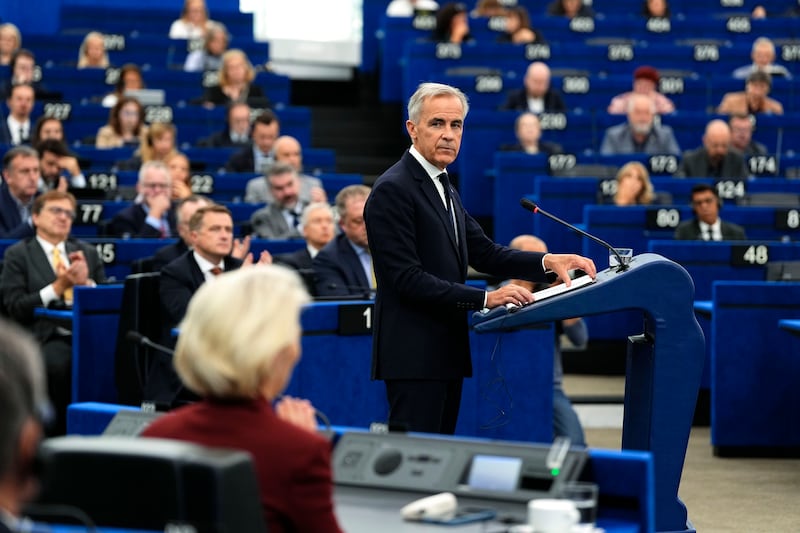
In Strasbourg, France, on Thursday, Carney raised the prospect of Canada moving closer to the European Union, again pointing to the Arctic as a key area of shared interest.
“Canada and Europe are not bound by geography, even though we do share a 3,000 km border in the Arctic. We are bound by an affinity — elective, chosen, and renewed, and stronger for being so,” Carney said.
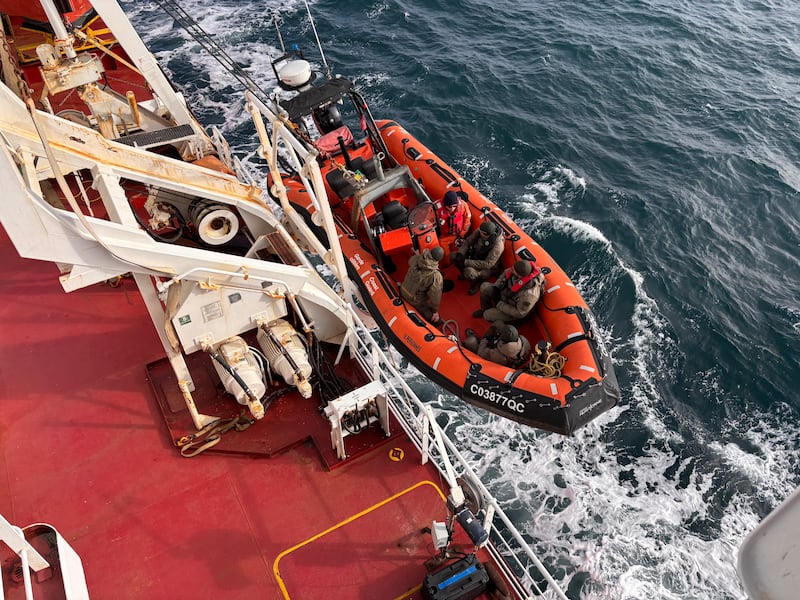
Nearly 6,000 kilometres away, aboard the aging Canadian Coast Guard icebreaker Des Groseilliers near Cambridge Bay, Nvt.- where CTV News is exclusively embedded this week - crew members are acutely aware that international interest in the Arctic is growing. Allies and rivals are adapting to a shifting global landscape that could reshape politics in Canada’s North.
- Read Carney’s address to the European Parliament
- ‘We are family’: EU chief in Greenland to boost Arctic ties
- Denmark sends conscripts to Greenland as Arctic tensions grow
“It’s a geopolitical hot point,” said Assistant Supt. Jeremy MacDonald of the Canadian Coast Guard.
This is the second year the coast guard has run Operation Arctic Ghost - its contribution to strengthening Canada’s presence in its northern waters. Crew members say they are closely watching how changing geopolitical dynamics could affect the region.
“We’ve seen in the world a very intense interest in the Arctic from our friends, our allies and potential adversaries,” MacDonald said. “It is very important that we demonstrate a focus on surveillance, activity and participation.”
Arctic Ghost follows Operation Nanook, which concluded last week. The annual military exercise was launched in 2007 by former prime minister Stephen Harper, who made Arctic sovereignty a central theme of his government.
Carney has also made the North a priority and is increasingly using the Arctic as a point of connection with northern European countries, such as Denmark, Norway and Sweden, as he pushes for closer relations with Europe.
Norway’s Prime Minister Jonas Gahr Støre will visit Ottawa Sept. 20-21, where the leaders are expected to “discuss efforts to strengthen security and resilience in the Arctic and North Atlantic,” according to a press release.
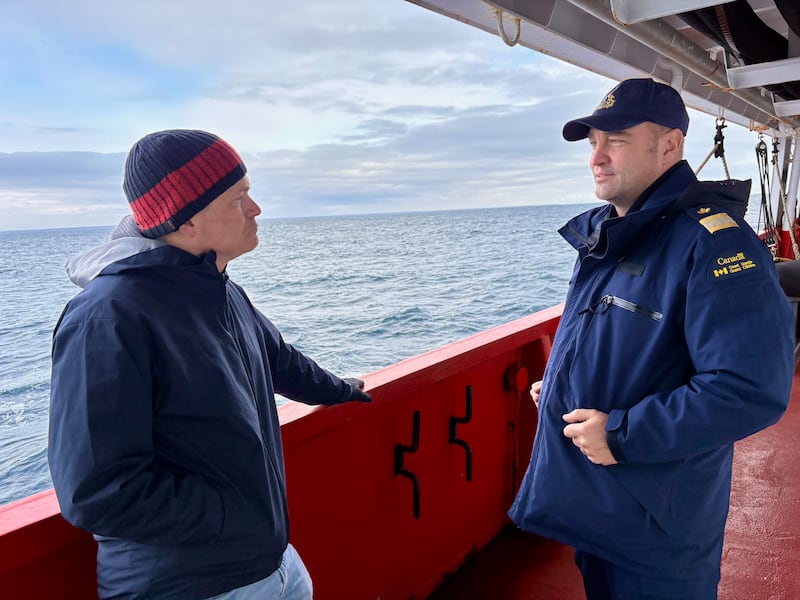
“You’ve seen our ‘Our North, Strong and Free’ defence policy update state categorically that Arctic security is the most pressing defence priority,” said retired Maj.-Gen. Scott Clancy, former deputy commander of NORAD.
“You’re seeing acquisitions and expenditures completely aligned not only with frontline capabilities, submarines and aircraft, but also infrastructure, including forward operating bases and communications systems. All of this indicates a layered foundation and a real commitment to Arctic security,” Clancy said.
An overdue shift
Others with deep experience in the region also see a significant shift in Canada’s approach, one they argue is long overdue.
“What we’re doing now is increasingly involving our European allies,” said Robert Huebert, a political science professor at the University of Calgary.
“Europeans have traditionally held the view that northern waterways are open waterways. They have never explicitly said the Northwest Passage is an international strait, as the Americans have done in the past,” Huebert said.
But he argues the relationship began changing in 2017.
“We recognized the need to increase cooperation with our NATO allies, particularly European NATO allies in the Arctic region,” he said.
Now, Huebert said, Carney appears to be pushing that approach further, with the Arctic serving as one of the central pillars of the argument.
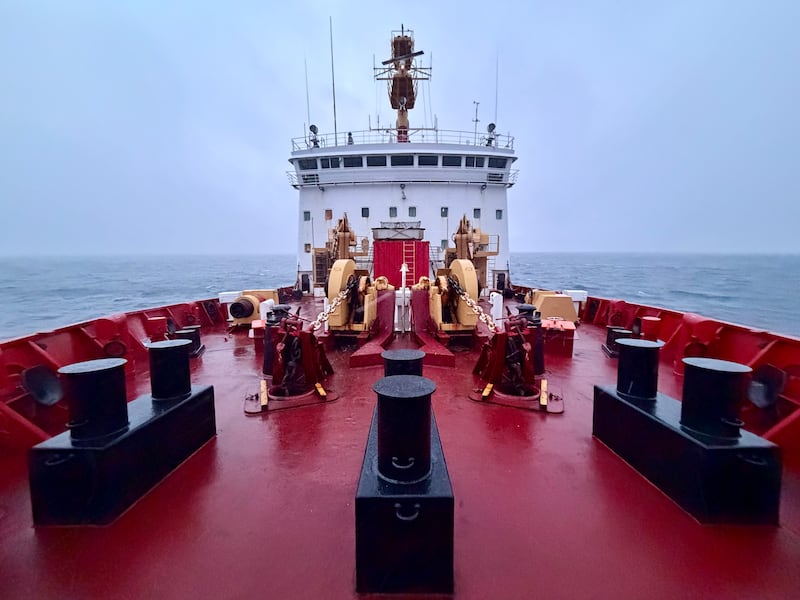
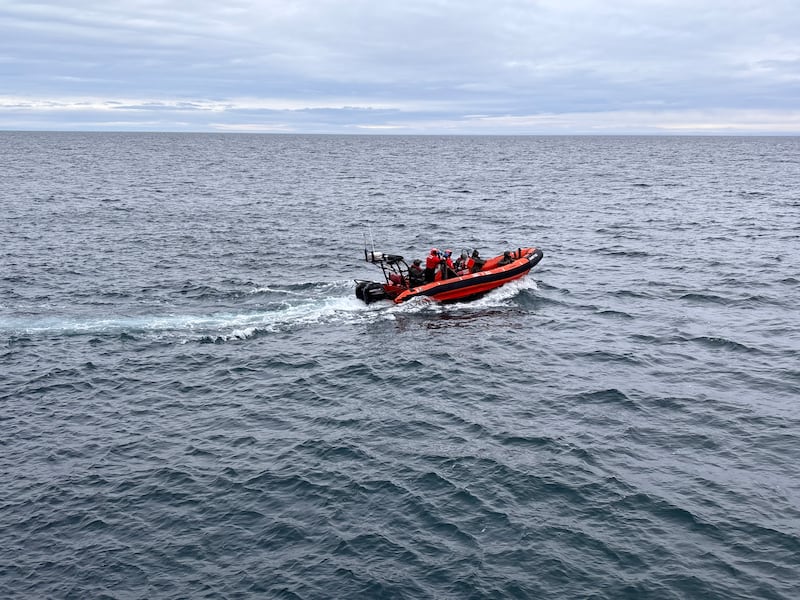
Back aboard the Des Groseilliers in the southern portion of the Northwest Passage, MacDonald and other officers say they are preparing for a future in which the coast guard is asked to do more in Canadian Arctic waters.
With billions of dollars in new investments and new icebreakers planned, they say the organization is ready.
“I would say most Canadians don’t realize how extensive coast guard operations are in the North,” MacDonald said.
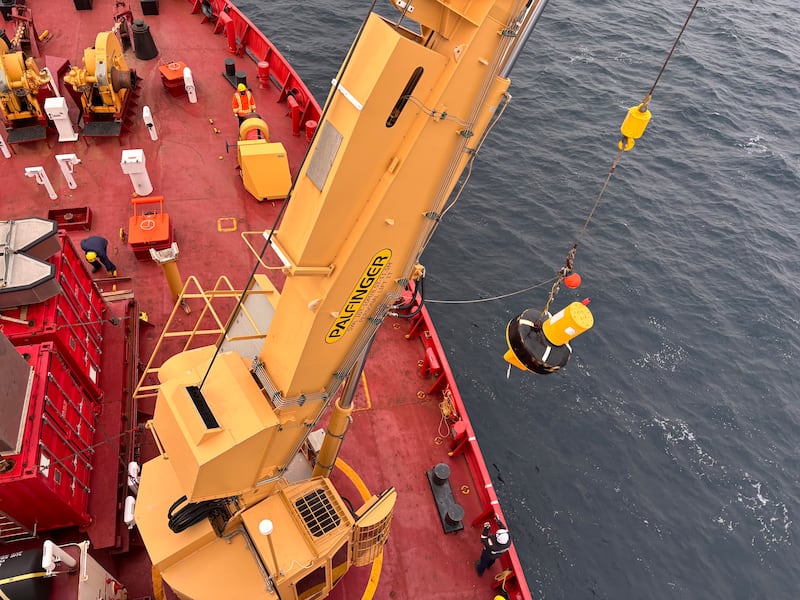
“We typically have between seven and nine icebreakers operating up here every year. It’s very difficult to travel through Canada’s Arctic waterways without encountering a coast guard vessel at some point during the season.”
CTV News Ottawa Bureau Chief Graham Richardson is reporting from the Arctic this week while embedded with the Canadian Coast Guard, as Canada looks to assert its presence in the north.

