


Prime Minister Mark Carney is in New York today for a series of high-profile meetings with world leaders and policymakers, including those from Chile, Angola, Jordan and the United Arab Emirates.
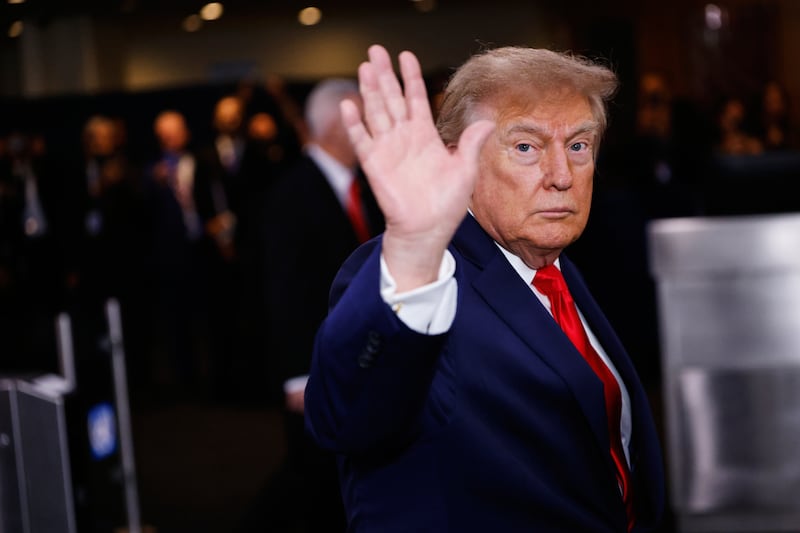
The United Nations General Assembly, or UNGA, is underway. U.S. President Donald Trump is expected to address the room within the next hour.
CTVNews.ca will have live coverage of the General Assembly throughout the day, including Trump’s address. The U.S. president is slated to speak shortly. You can watch it live here.
Key updates:
- Scott Moe warns of ‘blood potash’ from Belarus
- Trump to speak during morning session
- Carney to meet world leaders this afternoon
Follow for live coverage:
‘You should not be here’: Trump to CNN
Trump, speaking to reporters before his UN address, took aim at CNN.
“You should not be here covering me. You said you weren’t going to cover me,” he said.
CNN, MS NOW, and Politico have sued after Trump announced Friday that he was banning them from covering the White House.
CNN is a member of the White House network pool – a consortium of outlets that share resources to cover the president. When CNN wasn’t allowed in to cover the unveiling of a new helipad in Washington, ABC, CBS, NBC and Fox News agreed to skip the event altogether.
In a joint statement issued on Monday, the networks wrote, “The public has a vital interest in receiving accurate, independent information about its government. No administration should restrict a news organization because it objects to its reporting.”
Luca Caruso-Moro, CTVNews.ca journalist. With files from the Associate Press.
Carney arrives
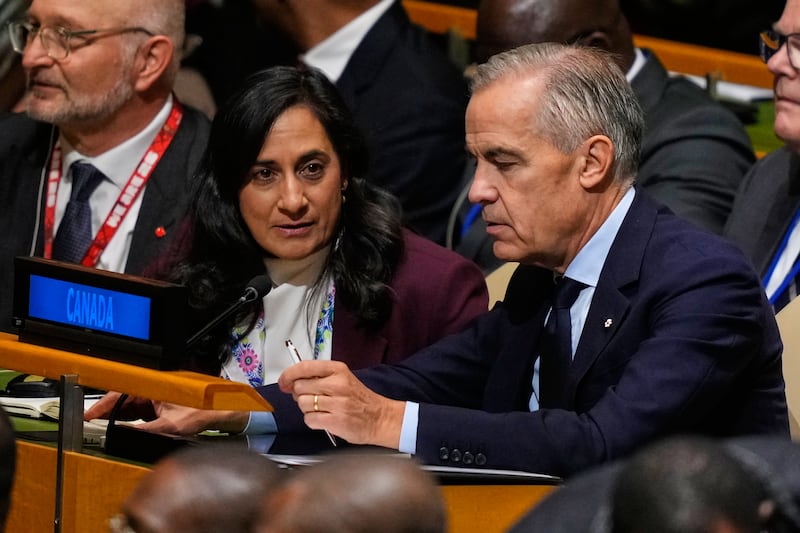
Carney has arrived. He is set to listen to Trump’s address in the main hall.
He has so far greeted leaders from Kuwait, Australia, Ireland and the EU Commissioner for Foreign Affairs Kaja Kallas.
Mike Le Couteur, Ottawa News Bureau senior political correspondent
Multilateralism is the way: Guterres
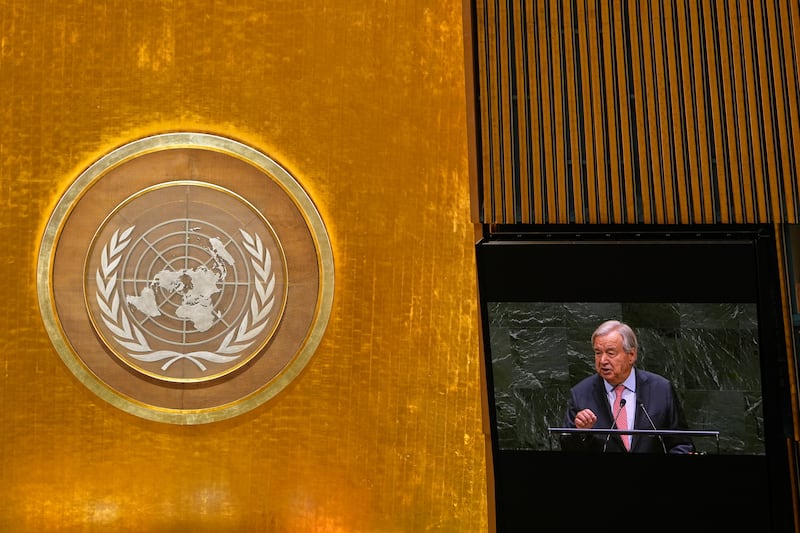
Opening the assembly: outgoing UN Secretary-General António Guterres.
He spoke first about the value of a multilateral world order as a counterweight to a planet split into two major centres of power.
He called on the superpower governments of the world to recognize that “their power isn’t so super.”
Luca Caruso-Moro, CTVNews.ca journalist
‘A future beyond’ fossil fuel
UN Secretary-General António Guterres says “a future beyond fossil fuels is in sight.”
He called on governments to establish climate plans to keep global warming below 1.5 degrees Celsius from pre-industrial levels.
Canada’s national plan acknowledges 1.5 degrees of warming would lead to “unavoidable increases in multiple hazards and present multiple risks to ecosystems and humans.”
Luca Caruso-Moro, CTVNews.ca journalist
Trump meeting not on Carney’s schedule
Trump does not appear on Carney’s public meeting schedule.
Carney is expected to meet the presidents of Chile and Angola around noon EDT, according to the public docket.
Following afternoon meetings with the UAE’s technology minister and the king of Jordan, he’s expected to hold a media availability just before 4 p.m. EDT.
Later on, he’ll speak at an event centred on a two-state solution in Israel and Palestine, a concept that Canada supports.
Luca Caruso-Moro, CTVNews.ca journalist
Carney’s push for UN reform
Carney’s attempt to bring Canada closer to Europe and strengthen ties with countries around the world will continue this week in U.S. President Donald Trump’s hometown, as he attends the 81st UNGA session in New York City.
Senior government officials who briefed reporters ahead of the trip said Carney will meet with world leaders and business leaders, but it’s unclear if the prime minister and American president will meet on the sidelines of UNGA.
As some world leaders, like Trump, move away from multilateralism, one of the things Carney will focus on is reform of the United Nations and selection of the organization’s next secretary-general. Antonio Guterres is in his second and final five-year term as head of the UN, which comes to a close at the end of this year.
“At a moment when the international order is being remade, Canada intends to help shape it,” Carney said in a statement ahead of the trip. “At the General Assembly, we will sit down with partners old and new, defend the rules that protect our sovereignty, and turn co-operation into real opportunity for Canadian workers and businesses.”
Jeremie Charron & Mike Le Couteur, Ottawa News Bureau correspondents. Read the full story here.
Sask. premier reacts to Trump potash deal
Trump says he is working on a “massive deal” to purchase potash from Belarus.
“The pricing would be for substantially less than we are currently paying to Canada, very good news for our Farmers and Ranchers,” he posted to Truth Social on Monday.
Saskatchewan Premier Scott Moe, whose province provides the U.S. with more than 86 per cent of its potash supply from Canada, said Trump’s tentative deal is “wrong and it doesn’t make sense.”
“More than 40 countries - Canada and its allies - have sanctions against Belarus for supporting war criminal Putin’s invasion of Ukraine. Buying blood potash from Belarus is supporting Russian aggression,” he posted to X Monday afternoon.
“Does anyone believe Belarusian blood potash shipped through Russia is going to be more affordable, more sustainable or more ethical than potash shipped from Saskatchewan - right here in North America?”
Kayla Thompson, CTVNews.ca journalist. Read the full story here.
New labour laws coming
On their first day back in the House of Commons after a three-month summer hiatus, the Liberals on Monday tabled a significant piece of legislation aimed at speeding up major project approvals, though it’s already raising concerns among labour groups.
Bill C-39 — dubbed the Building Canada Strong Act by the Liberals — is meant to accelerate review and approval times for major projects to get them built quicker.
The announcement Monday was made by Government House leader Steven MacKinnon, Jobs Minister Patty Hajdu, and Dominic LeBlanc, the minister for intergovernmental affairs and One Canadian Economy, and minister of internal trade.
Labour groups say they’re concerned changes to the Canada Labour Code included in the bill will have adverse consequences for workers and strip them of their right to strike.
Specifically, according to a senior government official speaking to reporters during a technical briefing ahead of the official announcement, the changes will largely affect the collective bargaining process for industries that have previously seen strike action or imposed mediation.
Spencer Van Dyk, Ottawa News Bureau producer. Read the full story here.

