OTTAWA - Finance Minister François-Philippe Champagne will table the federal budget on Nov. 5, he announced in the House of Commons on Tuesday.
“This plan will unlock investment, create high-paying jobs across our nation, and strengthen our economy and our country for generations to come,” Champagne declared as he unveiled the date.
The fall budget, which provides Canadians with the federal government’s economic blueprint, will be the second under Prime Minister Mark Carney.
Last month, Carney said his government is on track to balance its operating budget by 2027-28, one year earlier than he first promised.
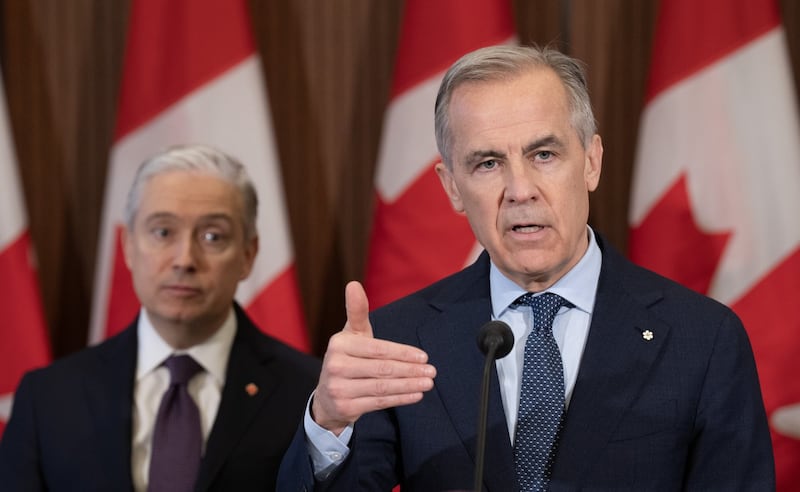
However, a recent report from the Parliamentary Budget Office (PBO) projects the federal government will miss its target of balancing the operating budget by a year. The PBO made its assessment based on information released in last year’s fall budget and the spring economic update.
Another PBO report released Tuesday focused on its economic and fiscal outlook and found federal borrowing “will grow significantly faster than deficits,” while the federal government “will not meet its second fiscal anchor of a declining deficit-to-GDP ratio.”
That same report also projects larger deficits compared to the federal government’s spring economic update in April. While the federal government tracked a nominally declining deficit that reaches $53 billion in 2030-21, the PBO says the deficit will remain above $63 billion during that fiscal year.
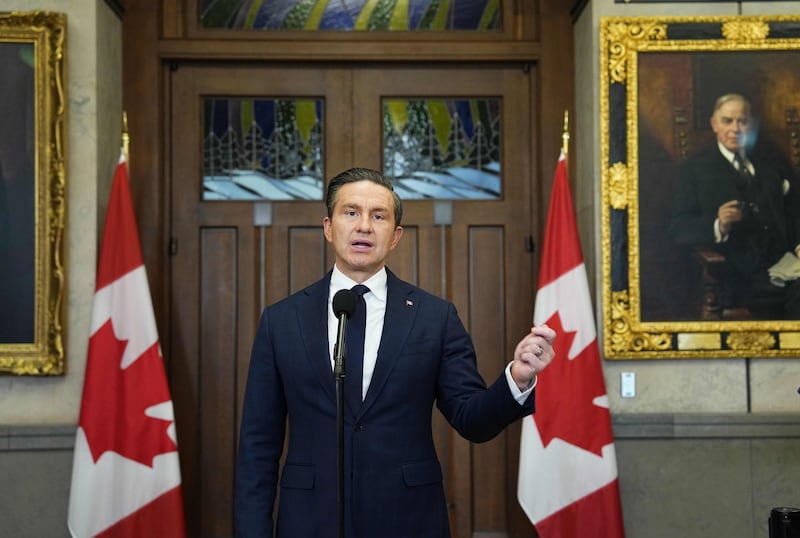
Speaking to reporters in Calgary on Tuesday, Conservative Leader Pierre Poilievre criticized Carney for his spending commitments.
“We’ve had all of the drama, the promises, the international travel, the signing ceremonies. But all that matters is you. The real people in the real world. Whether you’re saving money. Whether your job is saved,” Poilievre said.
The federal budget comes as the Canada-U.S. trade war continues to put pressure on many sectors and as Carney seeks to diversify Canada’s economy and attract $1 trillion in investments to the country over the next five years.
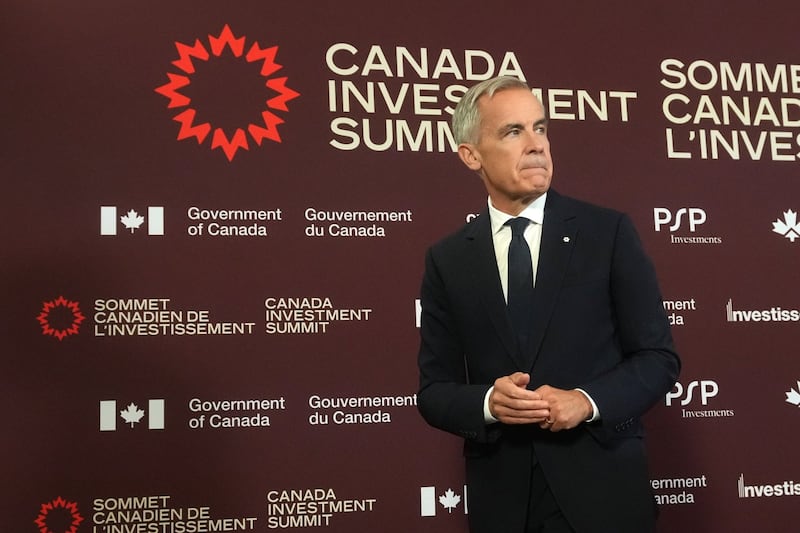
As Canadian business leaders await the budget, many say they’re optimistic and looking for “business-friendly” measures. A survey from KPMG released this month found more than 70 per cent say they expect a business-friendly budget that improves their prospects.
Many will also be looking to see how the federal government plans to spend billions of dollars more on defence, as the country seeks to hit five per cent of GDP on defence by 2035.
According to the PBO, defence spending is set to rise from the current $75 billion annually to $95.7 billion by 2030-31.

