OTTAWA — Canada and the European Union appear to be dropping the “associate member” term.
The controversial label when describing the future of the Canada-European Union relationship is not currently in the draft statement set to be released at this week’s summit between Canada and the 27-member bloc, CTV News has confirmed.
The draft statement for the summit is still being worked on, but two European sources confirm to CTV News the term “associate member” is currently not in the document, though they warn it could be changed again.
The development was first reported by Politico on Wednesday.
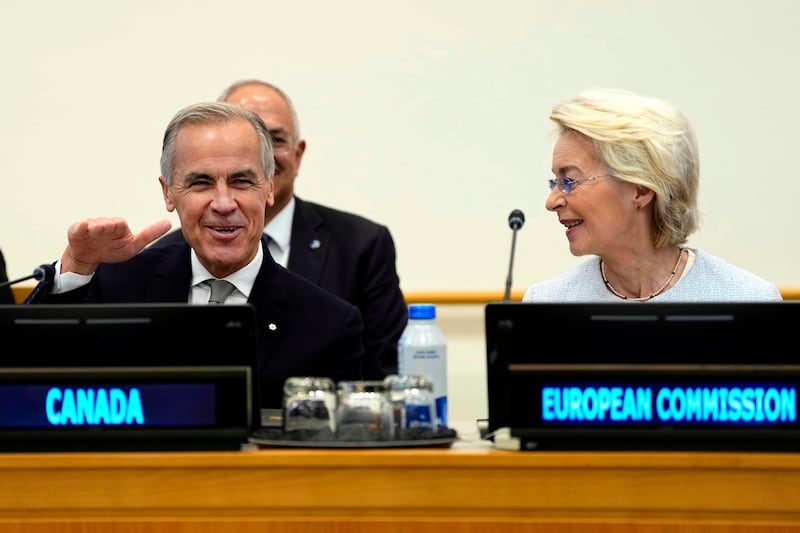
European Commission President Ursula von der Leyen made headlines last month when she formally invited Prime Minister Mark Carney to take the Canada-EU relationship to the next level, at the time publicly floating the term “associate member” in a speech.
But, some EU member countries, led by Germany, have raised concerns about the label and have pushed back on it. The member countries contend they were not consulted on its use, though they support a closer relationship with Canada.
The news that both parties may be dropping the term “associate member” in favour of other language comes a day after a background briefing to reporters by European officials, in which they said they’re hoping to hammer out the details in the next year.
The officials insisted members are on board with Canada reaching the level of closest-ever alliance with the group short of official membership, but conceded there is debate over the name.
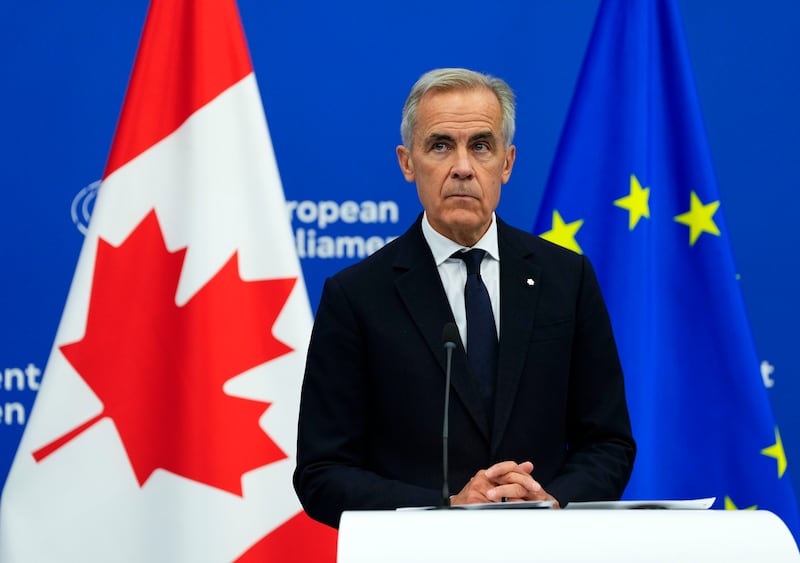
In an interview with CTV Power Play on Tuesday, German Ambassador to Canada Matthias Luttenberg also said his country has long supported Canada deepening ties with Europe, but that there are worries about the potential new label.
“If you come up with a new concept in the European Union, and you propose something, be it the Commission or somebody else, then of course it takes some time to reflect for all 27 member states,” Luttenberg told guest host Graham Richardson.
“I think we have been a little surprised by the announcement, which doesn’t mean that we cannot agree on it,” he also said, adding Germany has other concerns because it uses the term “associated membership” in reference to the bloc’s relationship with countries like Ukraine, for example.
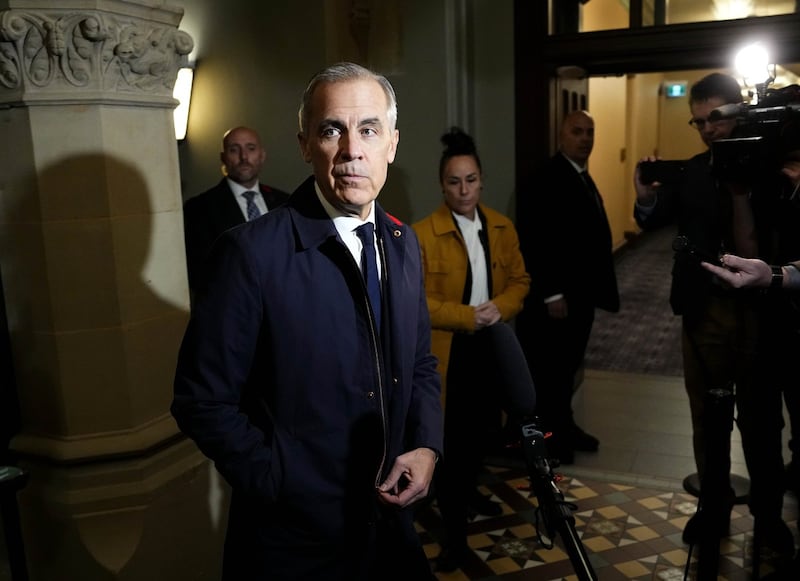
Carney, meanwhile, has cautioned against putting too much emphasis on the nomenclature. Speaking to reporters on Parliament Hill on Tuesday, he said: “What matters is the difference that it will make to lives of Canadians.”
Canadian officials also held a briefing on background with reporters on Wednesday.
When asked about the future of the “associate membership,” and what could tangible results could be expected, the officials didn’t directly say. Instead, they said the summit is an opportunity to deepen the Canada-EU relationship, adding there’s “enthusiasm” from both sides for increased partnership.
And, asked whether they believe concern around the “associate member” term is semantic or stemming from underlying concern about deepening the relationship between Canada and the EU, one of the officials said: “I’ve seen zero evidence of that.”
They added they’ve seen genuine interest in advancing the relationship.
With files from CTV News chief political correspondent Vassy Kapelos

