OTTAWA – Canadian Identity and Culture Minister Marc Miller insists the federal government will force streaming giants to pay their fair share to contribute to Canadian content, though he wouldn’t answer when pressed on when that will happen.
The federal government’s latest budget, tabled in the House of Commons last week, earmarks money to amplify Canadian “cultural sovereignty,” including $600 million to support domestic news and cultural content.
Miller, in an interview on CTV Power Play with Vassy Kapelos on Monday, said the funds are being “deployed on a relatively emergency basis,” to ensure support for the industry.
A background document for the announcement stipulates the funds will help sustain Canadian content creation and mitigate the impact of declining private-sector contributions from cable and satellite companies, as well as expected contributions from international streaming platforms.
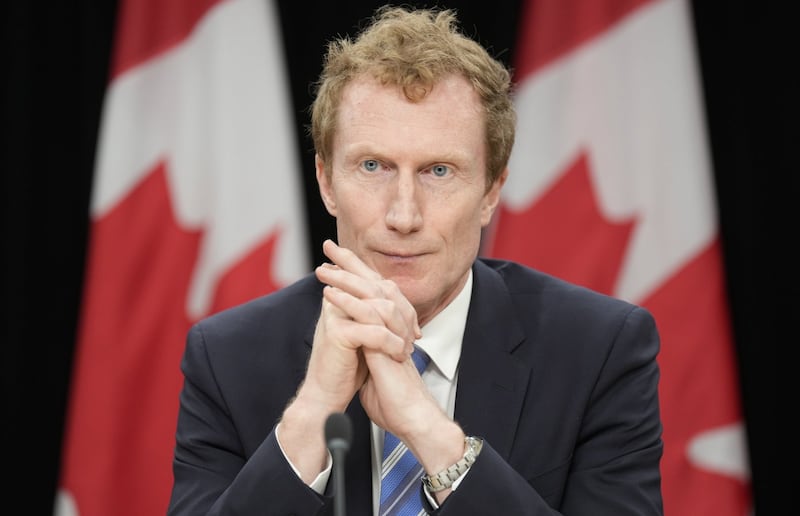
In June, meanwhile, the federal government directed the Canadian Radio-television and Telecommunications Commissions (CRTC) to review its recent decision to triple the amount it charges digital streaming companies to contribute to Canadian content.
Digital streaming giants — including American companies such as Netflix and Disney — were previously required to contribute five per cent of their Canadian revenues to domestic content.
In late May, the CRTC announced its decision to triple the amount from five to 15 per cent.
The federal government has yet to collect any of those funds, however, with a number of streaming companies fighting the decision in court.
Speaking to Kapelos, Miller insisted the $600-million injection into Canadian content is not bowing down to outside pressure, in particular from U.S. President Donald Trump’s administration, which has frequently cited the Online Streaming Act as a trade irritant.
He said while Canada’s legislation to support Canadian content have been “noble,” it hasn’t worked to “(make) sure that money is being redistributed into the system in the face of dwindling ad revenue from different sources.”
Miller was part of the previous Liberal government, which passed its legislative framework for regulating streamers, the Online Streaming Act, in April 2023.
The minister categorized the funding announced in the budget as “a practical short-term approach.”
“We need to take that next step to make sure that the large streamers that are here — that sometimes do very important work in terms of supporting Canadian content — are actually contributing to our ecosystem, because they’re getting money from streamers,” Miller said.
“This is not an uncomplex discussion, but it is one that, as part of the budget announcement, is only partial in how we have moved to support through cash and through financial support,” he added. “Whereas we have a next step of the puzzle that is yet to be completed in making sure that the CRTC is making sure that these large streamers are contributing to the ecosystem.”
The minister said it’s “a question of fairness” that large streamers pay more for domestic content when they are benefitting from Canadian viewers, but taking the profit out of the country.
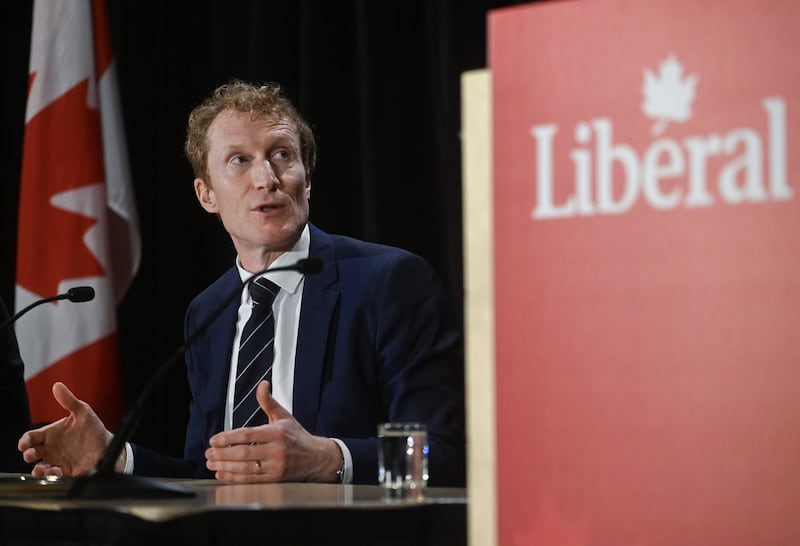
Asked by Kapelos about a timeline to figure out how much the CRTC will collect from streamers, Miller wouldn’t directly answer, saying only that his department wants to get the directives out “as quickly as possible”.
And, when pressed on the fact it’s already been more than five months since the federal government asked the CRTC to reconsider the amount it charges streamers, Miller said he’ll take his time to issue a directive “that makes sense.”
He said the last time the government asked the CRTC to come up with regulations for the Online Streaming Act, it took three years, so he’s hoping it’s faster this time around.
Miller said the point of the legislation is to encourage big companies to be “good corporate citizens,” and to that end he is now considering changing the tax system for streamers.
“We also support those companies in terms of very generous tax credits that allow them to do business in a profitable fashion in Canada,” Miller told Kapeos. “I want to take another look at how that is being done and how these companies are benefiting from a tax system that they are seeking to remove revenue from.”
You can watch Canadian Identity and Culture Minister Marc Miller’s full interview on CTV Power Play with Vassy Kapelos in the video player at the top of this article.

