CALGARY – A contentious zoning debate in Calgary is highlighting the broader challenge cities across Canada face in trying to boost housing supply while addressing concerns from existing communities.
City council is hearing from hundreds of residents this week as it considers whether to roll back a 2024 blanket rezoning policy introduced to increase housing options and help improve affordability.
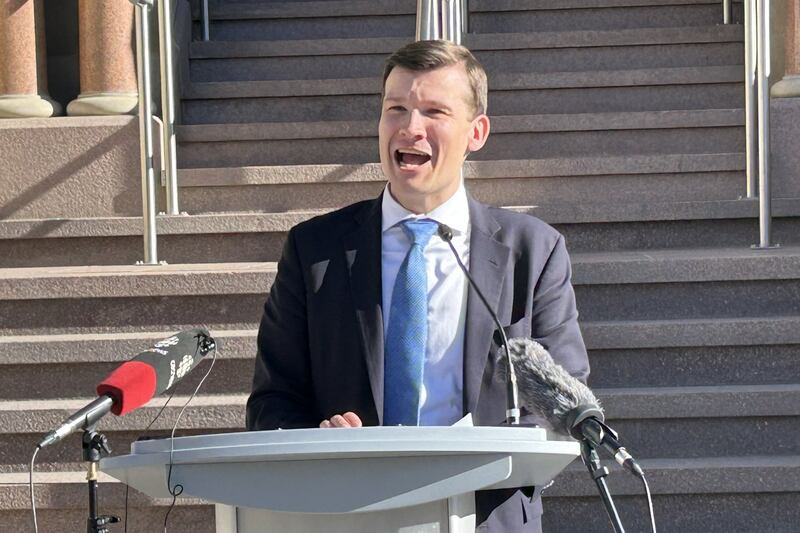
Mayor Jeromy Farkas said the hearing is a key part of the process.
“At the end of the day, this public hearing is about Calgarians having their voices heard,” he said.
The policy allows for more housing types, including rowhouses and duplexes, in areas previously limited to single-detached homes, and speeds up approvals by removing the need for case-by-case rezoning.
In Calgary’s Varsity neighbourhood, longtime resident Bob McLeod says the potential impact is already close to home.
“We’ve lived here for 50 years, we’ve raised three children here,” he said.
McLeod says a developer has applied to build a five-unit rowhouse next door, a project made possible under the current rules.
“Can you imagine? Right against our yard right here,” he said.
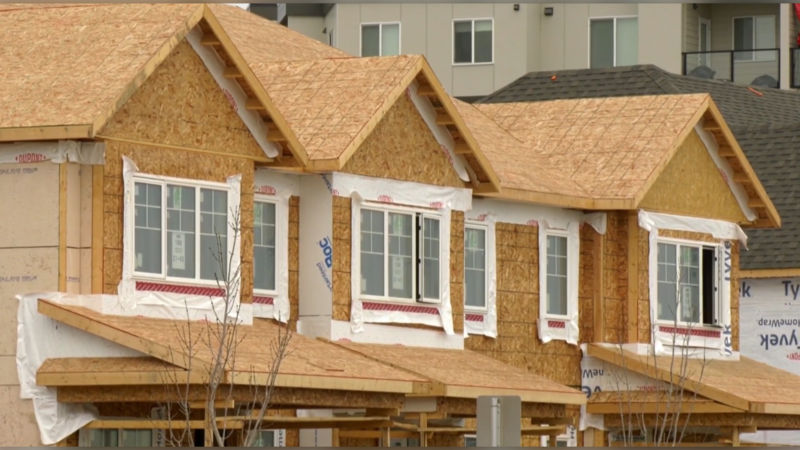
He worries the development would remove mature trees, block sunlight and increase traffic and parking pressure, while also affecting property values.
Similar concerns are being raised by other homeowners, including Arden Conley, who has lived in Calgary’s Montgomery neighbourhood for decades and is facing a proposed eight-unit development next door.
“I’d love to pass this onto a family, a young family and whatnot as a starter home,” Conley said. “I can’t do that now … nobody’s going to buy it.”
He said he has already spent thousands trying to challenge the project.
“I’ve got over $20,000 invested into this already to appeal this … $20,000 of my grandchildren’s inheritance,” he said.
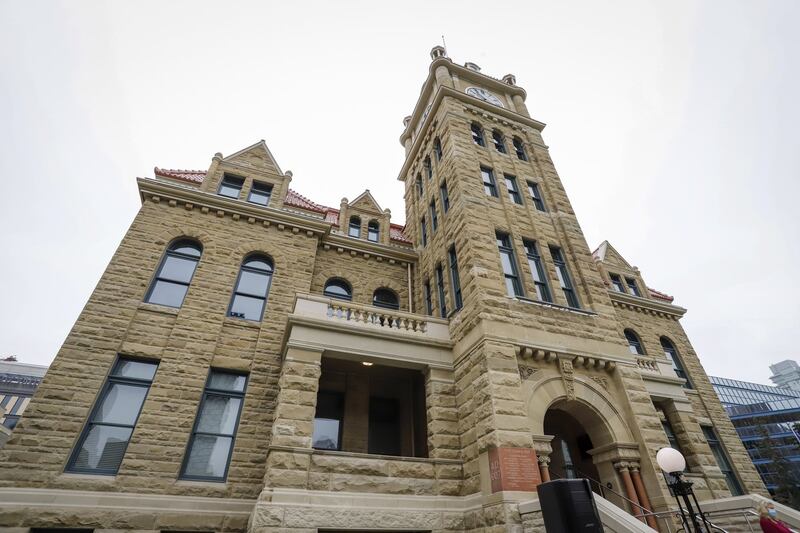
At city hall, residents on both sides of the debate made their case to council.
“Affordable housing is an issue, but having developers come in and tear down a house that they paid $600,000 to $700,000, and then building two side-by-side duplexes and selling them for $800,000-plus, that’s not what we call affordable housing,” said Tracy Cherniawsky.
She added the policy “hasn’t helped the situation at all.”
Others argued the changes are necessary to address a housing shortage.
“I want blanket rezoning to stay,” said Inam Teja, a Calgary resident who works in the affordable housing sector. “Having rezoning creates lots of opportunities for affordability.”
The Canada Mortgage and Housing Corporation says Canada needs to build about 4.8 million homes by 2035 to restore affordability.
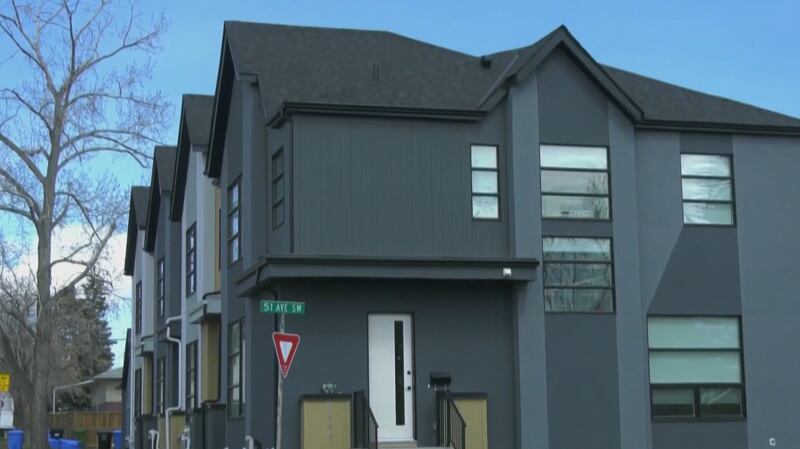
The federal government, through the Housing Accelerator Fund, is offering funding to municipalities that remove barriers to development. Calgary could lose about $861 million if it rolls back its rezoning policy.
Farkas said regardless of the outcome of the hearing, the focus should be on the city’s future.
“It’s not just about whether or not we should keep or scrap blanket rezoning; it’s more so about how we can continue to grow,” he said.
“How we can build the needed housing in a way that makes sense for residents, but also, can keep Calgary affordable as we approach becoming that city of two million people.”

