


The Bank of Canada’s rate hike Wednesday is set to translate to higher borrowing costs for homebuyers, adding further pressure as the real estate sector also copes with rising prices for construction materials.
The central bank’s latest monetary policy report says inflation in shelter services is projected to rise from just over one per cent at the end of 2026 to around two per cent next year and remain near that level in 2028.
The Bank of Canada raised its benchmark interest rate by a quarter-point to 2.5 per cent, the first increase in more than three years, as it warned that inflation driven by the war in the Middle East is likely to spread.
Its decision described a more subdued outlook for the housing market as affordability constraints, slowing population growth and rising borrowing costs — fuelled in part by the Bank of Canada’s own rate hike — are all expected to weigh on home buying and construction in the years ahead.
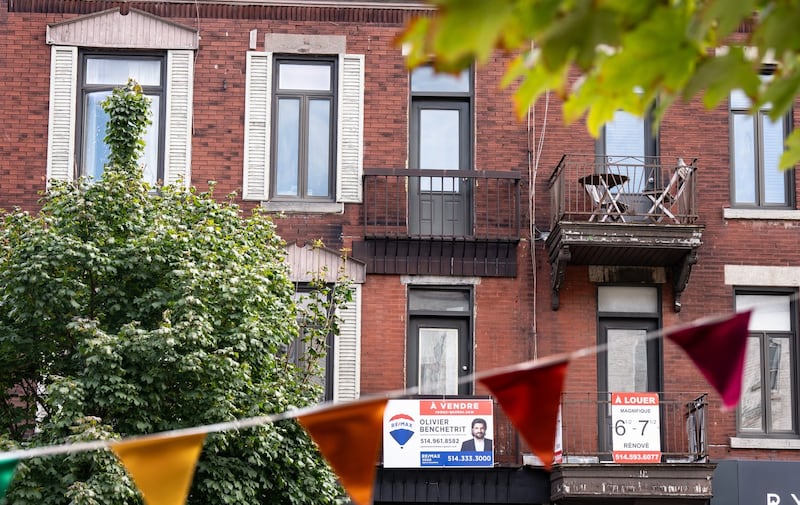
Phil Soper, president and CEO of real estate firm Royal LePage, says the big question for the sector is whether the central bank’s move is a one-time adjustment or the start of a sustained tightening cycle.
He says the sector’s “prolonged weakness is already weighing on economic growth, and higher borrowing costs will only deepen that challenge.”
This report by The Canadian Press was first published Oct. 28, 2026.
Sammy Hudes, The Canadian Press

