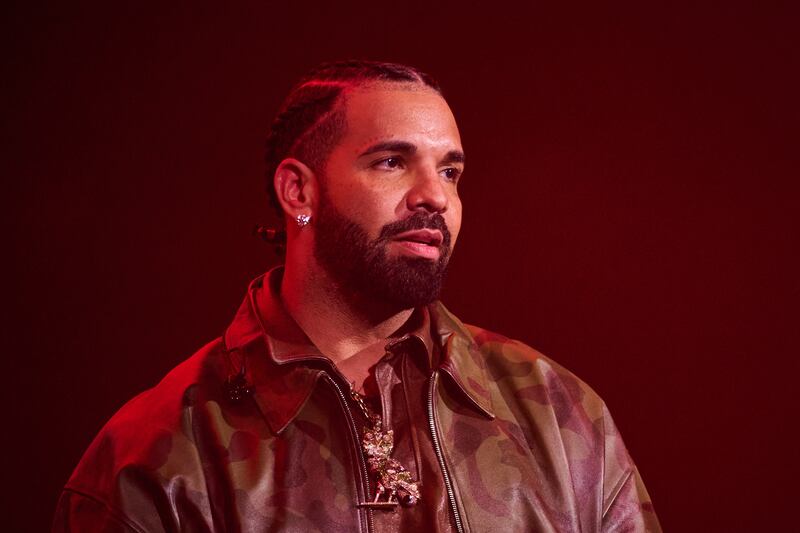
Canadian rap royalty Drake is being accused of collecting royalties that don’t belong to him, but the lawsuit doesn’t say the artist has broken the law.
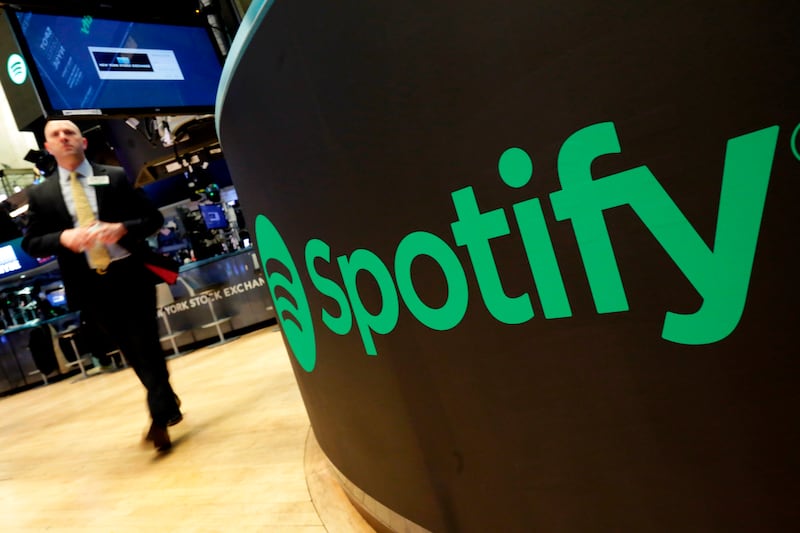
A class action lawsuit against Spotify claims that the streaming giant has “turned a blind eye” to “mass-scale fraudulent streaming” on its platform.
The lawsuit is against Spotify. Aubrey Drake Graham is not being sued directly, though his name appears in the suit 32 times.
The allegations paint a roadmap of alleged fraud, claiming that Drake has profited off a “fraudulent streaming scheme” that was “artificially boosted by Bots.”
Filed in a California District Court on Nov. 2, the suit names rapper RBX – Snoop Doggs cousin – as the main plaintiff.
In September, Drake became the first artist to reach 120 billion streams on Spotify, though the lawsuit claims that hundreds of millions of streams reveal “abnormal VPN usage, seemingly designed to obscure the true geographic origins of the Bot accounts that were streaming his songs.”
In one example, the lawsuit alleges that “over a four-day period in 2024, at least 250,000 streams of Drake’s song ‘No Face’ originated in Turkey, but were falsely geo-mapped through the coordinated use of VPNs to the United Kingdom.”
The lawsuit shares that the average Spotify user listens to “10 songs a day” though a “massive a massive amount of the accounts listening to Drake’s music listened exclusively to Drake’s music for 23 hours a day.”
The lawsuit also claims that “more than a hundred million streams, originated in areas with zero residential addresses.”
“If we don’t have strict laws around streaming of music, we’re going to see a lot of fabricated numbers” says Virgin Radio Host, Shannon Burns.
In a statement to CTV News, a Spotify spokesperson says the company “in no way benefits from the industry-wide challenge of artificial streaming.” The company also said it uses “best-in-class systems to combat it and safeguard artist payouts with strong protections like removing fake streams, withholding royalties, and charging penalties.”
Burns believes its difficult to take Spotify at their word. She told CTV News that she thinks it “would benefit them (Spotify) a lot to exaggerate the number of people using the streaming service,” adding that “they’re claiming in this lawsuit that this is helping Spotify up their numbers which then they can bring to shareholders and advisors and say look at all these people who are streaming and using our service and then they end up getting more money through advertising.”
The lawyer representing RBX against Spotify tells CTV News, that “given the way Spotify pays royalty holders – allocating a limited pool of money based on each song’s proportional share of streams for a particular period – if someone cheats the system, fraudulently inflating their streams, it takes from everyone else.
“Not everyone who makes a living in the music business is a household name like Taylor Swift. There are thousands of songwriters, performers, and producers who earn revenue from music streaming who you’ve never heard of. These people are the backbone of the music business, and this case is about them.”
The lawsuit doesn’t say that Drake has broken the law. It does claim he isn’t the only artist with inflated numbers. “While the streaming fraud with respect to Drake’s songs may be one example, it does not stand alone,” the suit alleges.
It also claims, “through negligence and/or willful blindness, Spotify failed to maintain platform integrity and failed to prevent the use of artificial Bot streaming to inflate the number of streams reported for various artists, including, but not limited to, Drake.”
Music industry insiders believe this is a case worth keeping a close eye on. “This is really what I feel like is just the tip of the iceberg, I think this is going to be an issue we see come up time and time again especially when it comes to (disputed) streaming numbers,” says Burns.
CTV News sent multiple emails to Drake’s representatives requesting comment. They’ve yet to reply to our emails.

