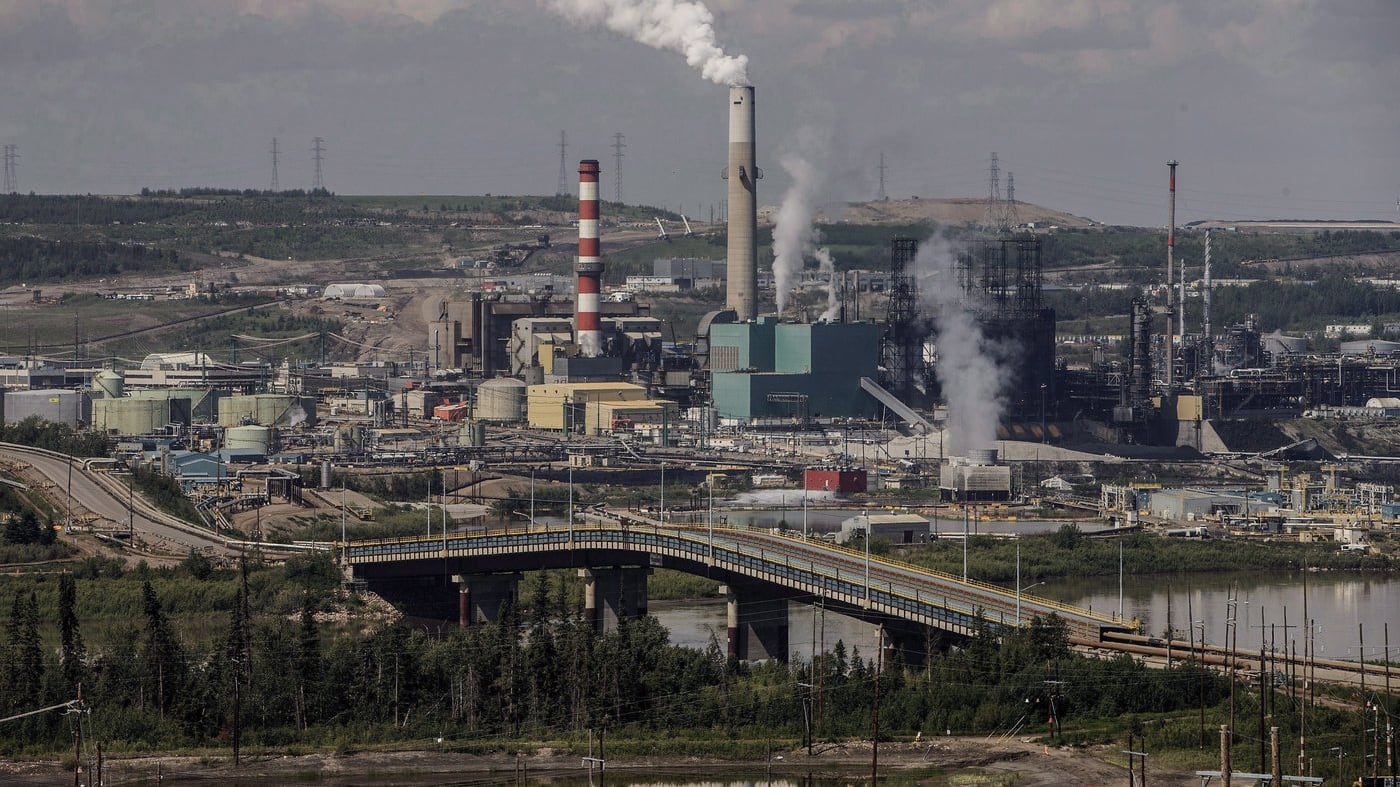
A new analysis from S&P Global Energy says the greenhouse gas intensity of the oilsands has declined for the 13th straight year, with a two per cent drop in 2025.
The research firm says the average emissions per barrel of marketable product has fallen by 31 per cent since 2009, with every year but one in that time — 2012 — seeing a decline.
The biggest gains have been in mining operations, which have improved how they manage waste heat and maintenance.
S&P Global Energy says that while emissions intensity continues to decline, absolute emissions have risen, albeit at a slower rate.
Between 2024 and 2025, it says absolute emissions rose two per cent due to a 150,000-barrel-a-day rise in overall production.
Kevin Birn, vice-president and head of carbon research at S&P Global Energy, says if oilsands production rises, absolute emissions growth would be expected without the use of carbon capture and storage technology.
“The downward trajectory of oilsands emissions intensity is now a well-established, multi-decade trend,” said Birn.
“Ongoing optimization efforts to maximize output from existing facilities, which are much more capital efficient compared to new projects, has been a critical factor, and this is expected to continue.”
This report by The Canadian Press was first published June 24, 2026.

