Biotechnology stocks are in focus as investors watch for late-stage clinical data and regulatory decisions across neurology and pulmonary disease. One analyst is highlighting three companies with upcoming catalysts in seizures, idiopathic pulmonary fibrosis and Alzheimer’s agitation.
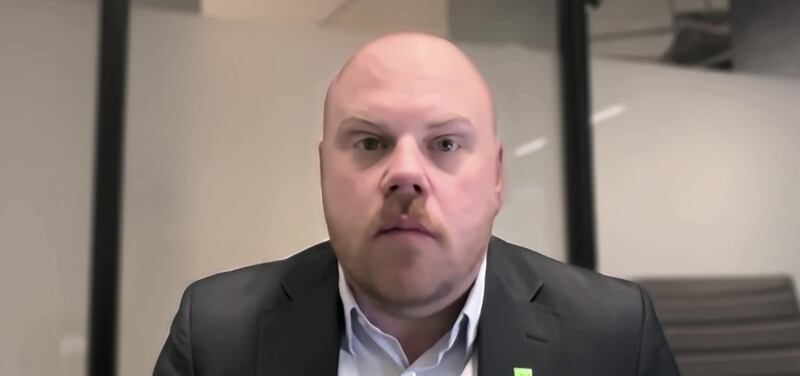
BNN Bloomberg spoke with Joe Thome, senior research analyst, biotech at TD Cowen, about his top picks in the sector and the milestones he believes could drive share performance this year.
Key Takeaways
- Xenon Therapeutics is advancing azetukalner, a potassium channel opener, with Phase III data expected in focal onset seizures and potential upside if results confirm strong seizure-reduction trends.
- About 30 per cent of focal onset seizure patients continue to experience refractory seizures, underscoring demand for once-daily treatments with limited drug interactions.
- United Therapeutics’ inhaled therapy Tyvaso is expanding beyond pulmonary hypertension into idiopathic pulmonary fibrosis, a market with significant unmet need and multibillion-dollar revenue potential.
- Existing IPF therapies are associated with gastrointestinal side effects, leading roughly 20 per cent of patients to discontinue treatment within a year, creating an opportunity for better-tolerated options.
- Axsome Therapeutics’ Auvelity, already generating about $500 million annually in major depressive disorder, is under FDA review for Alzheimer’s disease agitation, with a potential decision expected April 30.
Read the full transcript below:
ANDREW: Hot Picks: Our guest has a company working on advancing treatments for central nervous system disorders and neuropsychiatric conditions as his top selection. We’re joined now by Joe Thome, senior research analyst in biotech at TD Cowen. Thanks very much for joining us, Joe.
JOE: Thank you for having me.
ANDREW: I guess it’s a reminder to eat our bananas. This first company is working on potassium and its mechanism in the body. Tell us what catches your interest with Xenon.
JOE: Xenon Therapeutics is a Canadian biotech company progressing potassium channel openers for the treatment of seizure disorders, specifically focal onset seizures. The company released very strong Phase II data several years ago, and investors have been waiting a few years for the Phase III readout, which is expected in March.
Our epileptologists tell us the “holy grail” for a seizure disorder drug is one you can take once a day, with no titration, that plays well with other seizure drugs in terms of drug interactions and is effective. Right now, about 30 per cent of focal onset seizure patients don’t have anything that works well for them and still have refractory seizures. Xenon and azetukalner have produced some of the best seizure-reduction data we’ve seen so far. This is a biotech favourite, and if the Phase III data are strong in March, we could see the stock climb at least 30 per cent.
ANDREW: Your next idea has a rather boring name, United Therapeutics, but they’re involved in acute liver failure?
JOE: United Therapeutics does have programs in liver failure, but the company is best known for its portfolio of drugs targeting pulmonary hypertension. It has a suite of oral, inhaled and IV drugs for pulmonary hypertension. The one that has really taken off recently is Tyvaso, their inhaled option.
While the drug is doing well and is expected to generate about $2 billion in revenue in 2026, the main growth opportunity is idiopathic pulmonary fibrosis. Tyvaso produced very strong Phase III results last year and is on track to release another Phase III study at the end of the first quarter or early second quarter this year.
Idiopathic pulmonary fibrosis is a progressive disease that hasn’t seen much innovation in recent years. The two main drugs used slow the decline of symptoms but have problematic gastrointestinal side effects, and our physicians say about 20 per cent of patients discontinue therapy within a year. Tyvaso can avoid those GI side effects and has shown best-in-class efficacy. We think United is on the road to a potential breakout. The current market leader in IPF generates about $4 billion in annual revenue, which represents a significant growth opportunity for United in the coming years.
ANDREW: One of the problems in this area has been treatments causing digestive issues.
JOE: Yes, they can cause severe nausea and diarrhea, to the point that even though patients have a serious pulmonary condition, they can’t tolerate existing standard of care. Our doctors say within a year, about 20 per cent of patients come off therapy. With Tyvaso, you may see some cough, but not those GI side effects. We’re hoping for an effective therapy with better tolerability.
ANDREW: Your last idea, Axsome Therapeutics — tell us what they’re mainly working on.
JOE: Axsome is a neuropsychiatry company. Their lead asset is Auvelity for major depressive disorder. That drug is generating about $500 million a year. Compared with typical SSRIs or SNRIs used for depression, Auvelity has a fast onset of action within the first week and doesn’t have adverse mood effects. It also works well with other drugs.
The next leg of growth is Alzheimer’s disease agitation. About half of the six to seven million patients in the U.S. with Alzheimer’s have symptoms of agitation, and patients and caregivers say this is a severe aspect of the disease that needs to be managed. There’s only one other drug approved to manage Alzheimer’s agitation, Rexulti, but it carries a black-box warning for mortality and has limited efficacy. Physicians are excited about Auvelity for Alzheimer’s agitation. It’s currently under FDA review, with a potential approval date of April 30 this year.
ANDREW: That’s remarkable — an antidepressant that works that quickly. Thank you for joining us.
JOE: Thank you for having me.
ANDREW: Joe Thome, senior research analyst in biotech at TD Cowen.
| DISCLOSURE | PERSONAL | FAMILY | PORTFOLIO/FUND |
|---|---|---|---|
| XENE NASDAQ | N | N | N |
| UTHR NASDAQ | N | N | N |
| AXSM NASDAQ | N | N | N |
---
This BNN Bloomberg summary and transcript of the Feb. 20, 2026 interview with Joe Thome are published with the assistance of AI. Original research, interview questions and added context was created by BNN Bloomberg journalists. An editor also reviewed this material before it was published to ensure its accuracy and adherence with BNN Bloomberg editorial policies and standards.

