Basic materials stocks are contending with mine disruptions, tariff uncertainty and bottom-of-cycle chemical demand, but selective opportunities are emerging in agriculture inputs and specialty chemicals.
BNN Bloomberg spoke with Seth Goldstein, senior equity analyst at Morningstar, who highlighted Corteva, Mosaic and Eastman Chemical as names he believes are positioned to benefit from improving production, stable pricing and an eventual recovery in demand.
Key Takeaways
- Corteva is viewed as undervalued, with plans to separate its seeds and crop protection businesses aimed at unlocking independent growth paths and focused capital allocation.
- The company’s strong balance sheet and net cash position provide flexibility as it restructures into two standalone market leaders.
- Mosaic’s higher unit costs stem from mine disruptions and storm damage, but improved output from key assets is expected to lower costs over time.
- Fertilizer pricing is expected to stabilize, supporting a return to mid-cycle profitability and stronger free cash flow generation.
- Chemical demand remains at cyclical lows, but companies with solid balance sheets and dividend coverage are seen as better positioned for a recovery, even amid tariff-related uncertainty.
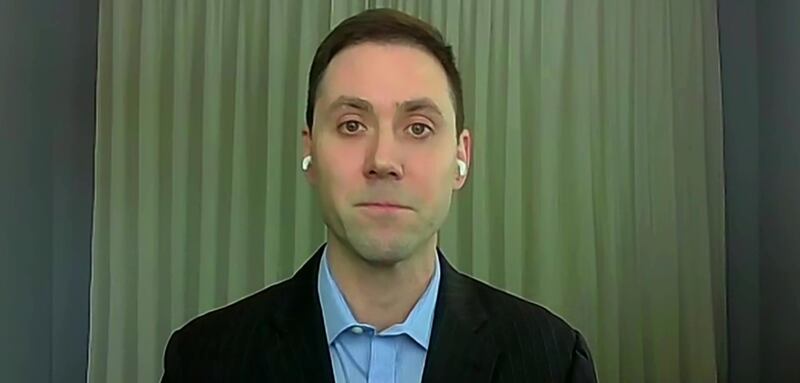
Read the full transcript below:
ANDREW: Time for Hot Picks. Today we’re looking at three plays in materials and chemicals. Our guest has Corteva as a top pick. He says the agricultural supplies company is undervalued and sees long-term potential as it plans to separate its crop and seed businesses. We’re joined by Seth Goldstein, senior equity analyst at Morningstar. Seth, thanks very much for joining us. Just tell us, what does Corteva do and what are its plans?
SETH: Corteva is one of the leading patented seed and crop protection chemical companies in the world. These are essential products that farmers need to grow crops and protect them from insects, weeds and fungal pests. Corteva’s portfolio of intellectual property creates value for farmers because it allows them to generate higher yields. Many farmers turn to Corteva for seeds and chemicals. Even when crop prices are low, they still pay up for Corteva’s products.
ANDREW: Why are they spinning off the seeds business?
SETH: They see two divergent growth paths for the seeds and crop protection businesses and want to allow each to be fully funded and grow independently, rather than having the crop protection unit develop products exclusively for the seeds business. After the spinoff, the crop protection business can focus on developing the products it believes will deliver the most value for farmers. Corteva has a very strong balance sheet and a net cash position, and this will effectively create two leading companies — a seeds leader and a crop protection leader.
ANDREW: The stock has been doing well. Is it a cyclical name in the sense that it rises and falls with crop prices?
SETH: Agriculture is generally cyclical based on crop prices, but Corteva is less cyclical than many other agricultural companies. The seeds business tends to perform based on new product development and how it competes against rivals, rather than simply rising or falling with general crop prices.
ANDREW: Mosaic is a giant fertilizer company with a huge phosphate franchise. It’s in other crop nutrients as well. Why do you like this one?
SETH: Mosaic has had company-specific issues at both its potash and phosphate mines over the past year, which have led to higher unit production costs. Phosphate prices have fallen slightly to start the year, but we expect they will stabilize in the low US$600-per-metric-ton range. We think potash prices will remain in the mid-US$350-per-metric-ton range. Longer term, as Mosaic produces more potash from its lower-cost Esterhazy mine and restores phosphate production, we expect unit costs will fall and profits will grow, generating positive free cash flow. Current results don’t reflect what we think the company can achieve under mid-cycle conditions.
ANDREW: Just remind us what problems they’ve had over the past couple of years.
SETH: They’ve faced longer-term mine issues at their phosphate operations in Florida and their Canadian potash mines, along with storm damage affecting some sites in recent years. They’ve had to incur additional costs to address these issues and ramp up production. In the meantime, that has created higher near-term costs, and the market may be extrapolating those pressures for longer than we expect.
ANDREW: Eastman Chemical was affected by the U.S. Supreme Court decision against some of President Donald Trump’s tariffs. Tell us how that played out.
SETH: After the U.S. Supreme Court ruled the tariffs were illegal and unconstitutional, President Trump said they would proceed. That hurt Eastman and other chemical stocks. Eastman sells specialty chemicals to companies that make consumer products exported to the U.S., so tariffs create a significant secondary demand impact through its customers. Chemical demand is already at bottom-of-cycle levels, and those conditions could continue into 2026. The positive for Eastman is that it has a strong balance sheet and generated free cash flow last year exceeding its dividends. We don’t see the dividend at risk, unlike some peers that have had to cut payouts. When demand recovers, we think Eastman’s profits could rebound quickly because its specialty materials are essential to customers and provide pricing power.
ANDREW: And what about the dividend? Is that one reason investors buy the stock?
SETH: It is. Investors receive a relatively high dividend yield and, in our view, don’t have to worry about it being in jeopardy. Some chemical peers have cut dividends due to insufficient free cash flow or high debt levels. Eastman has a stronger balance sheet and generated free cash flow above dividends, so investors can collect the dividend while waiting for the chemical cycle to recover.
ANDREW: A big yield — about 4.5 per cent on Eastman Chemical. Seth, thank you very much for joining us.
SETH: Thanks for having me.
ANDREW: Seth Goldstein, senior equity analyst at Morningstar.
---
This BNN Bloomberg summary and transcript of the Feb. 27, 2026 interview with Seth Goldstein are published with the assistance of AI. Original research, interview questions and added context was created by BNN Bloomberg journalists. An editor also reviewed this material before it was published to ensure its accuracy and adherence with BNN Bloomberg editorial policies and standards.

