Select specialty retailers are standing out through product innovation, strong brand execution and growing consumer engagement.
BNN Bloomberg spoke with Jonna Kim, vice-president and consumer research analyst at TD Cowen, who highlighted opportunities driven by adoption trends, global expansion and improving brand relevance.
Key Takeaways
- Innovative products, including connected baby monitoring devices, are creating new growth categories within retail.
- Adoption rates remain relatively low in some markets, leaving room for expansion through consumer awareness and word of mouth.
- Strong product pipelines and social media-driven marketing are helping drive sustained growth and customer engagement.
- International expansion remains a key growth lever, with companies targeting a larger share of revenue outside the U.S.
- Improved brand execution and new product categories are supporting traffic growth and margin potential.
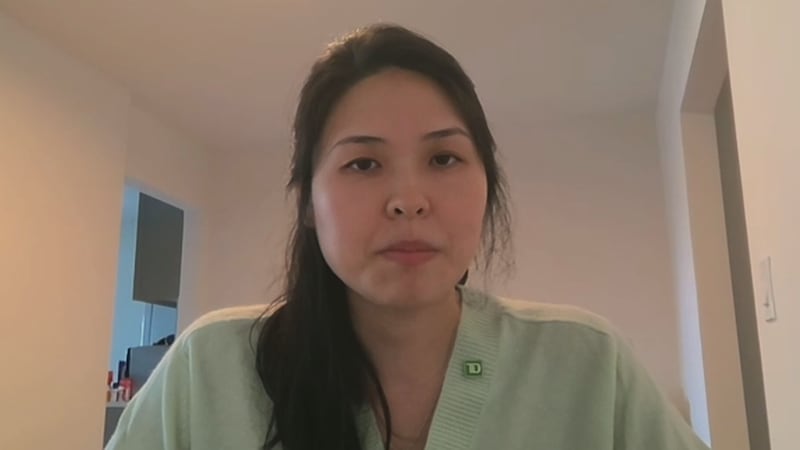
Read the full transcript below:
ANDREW: It’s time for Hot Picks. We’re looking at three ideas in specialty retail. The first company makes a sock that doubles as a baby monitor of sorts. Let’s get more from Jonna Kim, consumer research analyst at TD Cowen. Thanks very much indeed for joining us.
JONNA: Thanks, Andrew. Nice to be here.
ANDREW: Tell us about the company behind this baby sock, and how does it work as a sort of monitor?
JONNA: Yeah, it’s a unique company. It’s a disruptor in the baby monitoring category. There’s a Dream Sock, which monitors the baby’s heart and other biometrics, and they’re the only FDA-cleared baby monitoring device in the industry. So there’s substantial white space in the U.S. from both the hardware as well as the subscription perspective. They first rolled out the baby sock, and then they added an updated camera on top of that, and now there is a subscription that enables moms and dads to track the health of the baby. The baby can use this feature for up to 18 months. So it is in a very disrupted category, and they’re the leader. Valuation has also come in after the last earnings. It trades below one times FY2 EBITDA sales at this point. So we still think there’s a long-term story here. A lot of white space, as I mentioned, within the U.S., and internationally is also a growth story for them.
ANDREW: Sorry, did you say white space, Jonna?
JONNA: Yes, exactly.
ANDREW: What do you mean in that context there by white space?
JONNA: Yeah, adoption. So in a market that is very mature — I believe Utah is the most mature market — there’s about a 20 per cent adoption rate there, while across the U.S. it’s about 10 per cent adoption. So there is incremental adoption that you can get with parents. And this is very community-driven, sort of word-of-mouth type of product. Therefore, if new moms and dads come in and use this product and love it and recommend it to other parents, there’s a flywheel effect that comes with it. So there is a lot of opportunity for the company. And as I mentioned, they’re also venturing out to other international markets, but the key focus will be in the U.S.
ANDREW: That’s fascinating. So the Dream Sock is helping parents keep an eye on the baby. SharkNinja — I think they’re involved in blenders, coffee makers, juicers. What draws you to that stock?
JONNA: Yeah, as you mentioned, they’re in small appliances in the kitchen and broader home. They operate both the Shark and Ninja brands. I would say they’re a very unique story in consumer, where you don’t get a lot of low- to mid-teens growers. They are able to do that with their innovation pipeline. They go into two categories a year with 25 new products. And really the secret sauce is marrying that innovation with social media and community-driven word of mouth, where users post their experience and that attracts other users to look at the products online. So that has been the underpinning growth driver for them. The U.S. is the majority, but there’s a lot of growth happening internationally — about 30 per cent currently — and the plan is to grow that to about 50 per cent of the mix. So there are substantial opportunities to grow share within the U.S. and abroad as well.
ANDREW: The shares have come off their peak. Why is that?
JONNA: Yeah, it’s mostly on macro factors, I would say. And obviously they are exposed to freight and higher plastic and resin costs, but they use a lot of third parties — they don’t have manufacturing on their own — so there is not a direct impact in the near term. Consumer demand is something we are watching across the board, but they skew more towards higher-income consumers. And there is a virality to these products, and they have pricing power even in a tough market. So we still feel pretty constructive about their longevity here.
ANDREW: Your final idea is Gap. One of the attractions here, you think, is signs of health or recovery at their Athleta business. But broadly, what draws you to Gap?
JONNA: Yeah, I would say in specialty retail it’s tough to deliver consistent growth and execution. But Gap has four brands, as you know — Gap, Old Navy, Banana Republic and Athleta. Gap and Old Navy execution has really been strong, and I think it’s gaining mind share and wallet share and becoming more culturally relevant. Banana Republic and Athleta could be improving, so that is the next catalyst. But in the near term, the consistent execution at Gap and Old Navy is what gets me excited. They’re also rolling out beauty and accessories across the two major brands, which should boost traffic. It’s going to be a gradual rollout, but we feel good about that adding consistent comp growth for the concept.
ANDREW: That’s interesting. So they are going to be selling cosmetics and skincare products?
JONNA: It’s less skincare. There’s more of a fragrance component. Gap used to have fragrance, so they’re bringing that back. Old Navy will have shop-in-shop concepts in stores where they carry different brands as well as their own. So it’s about bringing traffic into the store and cross-selling across different products.
ANDREW: That’s interesting. As you say, they’re very diversified. Gap has been around for a long time, but you’re seeing signs of health there. Thank you very much. Jonna Kim joining us there, vice-president and consumer research analyst at TD Cowen.
| DISCLOSURE | PERSONAL | FAMILY | PORTFOLIO/FUND |
|---|---|---|---|
| OWLT NYSE | N | N | Y |
| SN NYSE | N | N | N |
| GAP NYSE | N | N | N |
---
This BNN Bloomberg summary and transcript of the April 24, 2026 interview with Jonna Kim are published with the assistance of AI. Original research, interview questions and added context was created by BNN Bloomberg journalists. An editor also reviewed this material before it was published to ensure its accuracy and adherence with BNN Bloomberg editorial policies and standards.

