The beverage sector continues to see pockets of strong growth, led by energy drinks, packaged water and zero-sugar soft drinks. Analysts say product innovation, shifting consumer habits and global brand expansion are helping some beverage companies outperform despite economic uncertainty and rising costs.
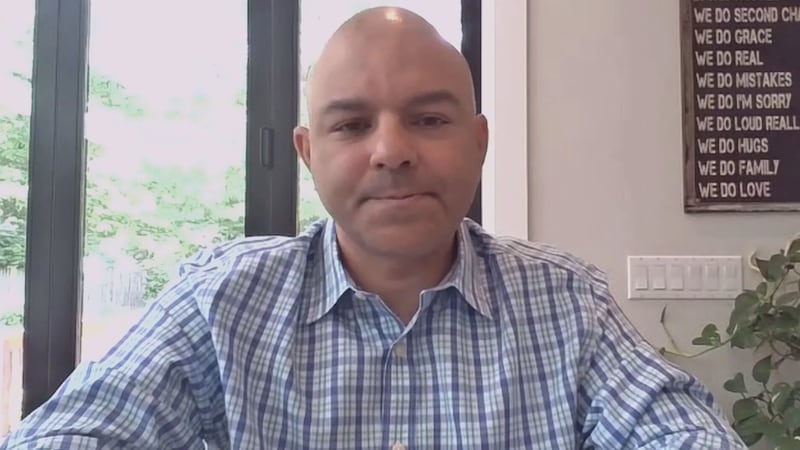
BNN Bloomberg spoke with Nik Modi, co-head of global consumer and retail research at RBC Capital Markets, about growth trends across the beverage industry, the continued rise of energy drinks and packaged water, and the macroeconomic pressures facing consumer brands.
Key Takeaways
- Energy drinks continue to post double-digit growth as consumers increasingly incorporate them into everyday consumption habits.
- Packaged water has steadily gained share in the beverage market over the past two decades and is expected to continue growing.
- Zero-sugar beverages and low-calorie soft drinks remain a major growth area for global beverage companies.
- Rising fuel prices, inflation and changes to U.S. food assistance programs are creating headwinds for beverage companies.
- Beverage companies are using long-term supply contracts and pricing flexibility to manage commodity cost pressures.
Read the full transcript below:
LINDSAY: It’s time for Hot Picks, and today we are zeroing in on three plays in the beverage sector. For more, let’s welcome Nik Modi, co-head of global consumer and retail research at RBC Capital Markets. Good morning. Thanks for joining us.
NIK: You bet. Thanks for having me.
LINDSAY: The beverage sector is pretty expansive. I’m wondering, is there growth in it right now? Are certain areas within the sector doing better than others before we actually get to your picks?
NIK: Yeah, at a high level, the beverage category is growing. You really have to look at the nuances. Obviously, non-alcoholic beverages are growing faster than alcoholic beverages right now, and within beverages, energy drinks are growing at double digits. It’s incredible what’s been happening with that category over the last year. More importantly, it’s been growing for 20 to 30 years, and we think we’re still in the very early innings of that growth curve.
LINDSAY: Interesting. I wonder what’s driving the energy drink growth. And on the alcohol side of things, you say it’s not growing as quickly. Is it still growing, though?
NIK: Not really. Most of the big segments in the market are down. Beer is down. Wine and spirits are down. Obviously, ready-to-drink cocktails and prepackaged alcohol products are doing better. They’re growing. That’s really the only bright spot in terms of growth across the category.
LINDSAY: Okay, so let’s get into it then. Speaking of energy drinks, Monster Beverage Corporation is your first pick. Tell us how much opportunity you really see here.
NIK: Yeah, I see a lot of opportunity. We’ve had a buy rating on Monster for more than 15 years, and part of our thesis is that we think this is the next mega global brand. When you think about the global footprint of the company, especially with Coke as its biggest distributor, Coke has the most expansive distribution network of any company on the planet. And then the category itself is growing.
Here’s an interesting statistic: energy drinks in the U.S. are only 10 per cent of the carbonated soft drink category. So it’s still reasonably small relative to the broader carbonated soft drink category. The reason carbonated soft drinks are so big is because people consume those products with food.
Now, with all the flavour innovation, energy drinks are starting to become normalized as something people can actually have with food, versus just something you drink because you have to study or drive overnight. People are starting to consume these products with food, and I think we’re still in the very, very early innings of the evolution of this category.
LINDSAY: Interesting. All right, Primo Brands Corporation is the next one. Tell us why you like this company.
NIK: Primo Brands is one of the biggest retail bottled water companies in the U.S., and it is by far the largest home and office water delivery business. Packaged water has been gaining share of overall beverages for the last two decades, and I don’t think that’s going to reverse itself.
We think it’s a really cheap stock that has leverage to a very good category with good margin upside, and the company is coming out of a bit of a turnaround under a new CEO. We think that’s going incredibly well right now.
LINDSAY: And last up, The Coca-Cola Company. Is there growth there as well, maybe on the non-sugar side?
NIK: Yeah, there’s growth. Diet Coke is back on a growth trajectory. Coke Zero is growing really strongly. Even full-sugar Coke is growing. Coke is obviously benefiting from a lot of market share gains as well.
Now we have FIFA and the World Cup, which Coke sponsors. That’s going to be a big activation event for the summer, as well as America 250. So we think there’s a lot of opportunity for Coke and its bottling partners to engage consumers and keep some of this growth momentum going.
LINDSAY: What is the biggest headwind for some of these companies? I’m assuming they’re all dealing with different challenges given how diverse this sector is.
NIK: At a high level, macro pressures are the biggest issue. Gas prices going up is not a good thing for consumption, so that’s something the entire industry is dealing with.
You also have changes in how SNAP funds can be used in the U.S. Some states are excluding certain beverages from those programs, and that could affect the overall category.
And then, obviously, a lot has been made about GLP-1 drugs. I think the impact is marginal. I think the market may be overestimating the actual impact they’re having. The bigger issue weighing on these companies right now is really macro-oriented.
LINDSAY: Are higher prices and higher costs really affecting these companies at the moment too?
NIK: They are, but remember, a lot of these companies are hedged or have contracts that extend toward the end of this year. A lot of the cost pressures we’re seeing in the market based on spot rates may not actually hit these companies until 2027.
The hope is that the economic environment normalizes and companies will have a bit more latitude to raise prices in 2027 to help offset some of those rising costs.
LINDSAY: What about water as a beverage? Where does that fit into everything?
NIK: Water is in a really good spot. If you’re worried about GLP-1 drugs, it’s good to invest in a company that sells water.
Like I said, for as long as I’ve been covering this industry, which is more than 20 years, packaged water has been gaining share of overall beverages, and I think that’s going to continue, especially as more research points to chronic dehydration issues globally.
As the population ages, water becomes even more important. Some people might say it’s a commoditized category, but the fastest-growing segments are actually the highest-priced waters. So I definitely think there’s something there.
LINDSAY: Very interesting. Okay, we’ll leave it there. Nik Modi, co-head of global consumer and retail research at RBC Capital Markets, thanks for joining us.
| DISCLOSURE | PERSONAL | FAMILY | PORTFOLIO/FUND |
|---|---|---|---|
| MNST NASDAQ | N | N | N |
| PRMB NYSE | N | N | N |
| KO NYSE | N | N | N |
---
This BNN Bloomberg summary and transcript of the May 22, 2026 interview with Nik Modi are published with the assistance of AI. Original research, interview questions and added context was created by BNN Bloomberg journalists. An editor also reviewed this material before it was published to ensure its accuracy and adherence with BNN Bloomberg editorial policies and standards.

