Copper prices are set to rise after a deadly mudslide halted production at Freeport-McMoRan’s Indonesian mine, while global defence spending and demographic shifts are creating new opportunities for investors. Technology, meanwhile, may pause after strong AI-driven gains, though long-term prospects remain intact.
BNN Bloomberg spoke with Laura Lau, chief investment officer at Brompton Group, who expects copper supply disruptions to support prices, sees AI spending as essential for tech companies, and highlights TD Bank, Chartwell Retirement Residences and BAE Systems as attractive plays in banking, housing and defence.
Key Takeaways
- Copper supply disruption at Freeport-McMoRan’s mine in Indonesia could lift prices, with about two per cent of global supply affected.
- Tech remains strong long term, though AI-driven gains may take a short-term pause as valuations absorb recent optimism.
- TD Bank’s upcoming capital markets day should provide clarity on earnings targets, excess capital use and digital-first strategy.
- Chartwell Retirement Residences benefits from growing demand among Canadians 75 and older, with occupancy rates nearing 95 per cent.
- BAE Systems stands to gain from rising European defence spending, including the F-35 fighter jet program, amid heightened geopolitical risks.
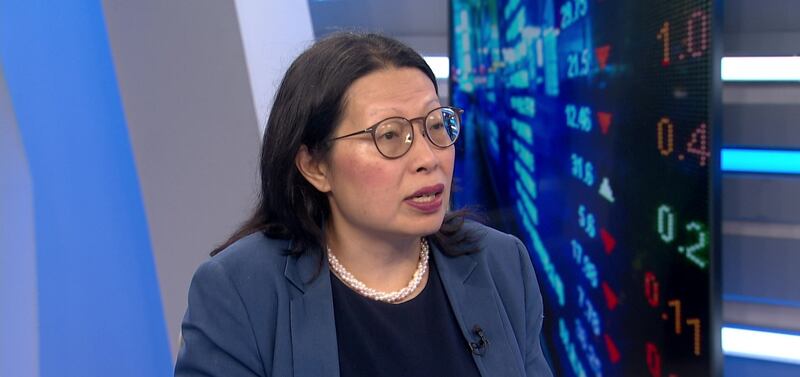
Read the full transcript below:
ANDREW: Investors are pulling back a little this morning, but markets remain near record highs. We’re joined by Laura Lau, chief investment officer at Brompton Group. Laura, great to see you.
LAURA: Thanks for having me, Andy.
ANDREW: Can we talk about copper? We’ve seen Freeport-McMoRan run into serious problems, with workers killed at its mine in Indonesia. We also saw a massive run-up in copper shares yesterday, almost 10 per cent in some names. Maybe you could look at Lundin or Hudbay. Copper investors seem to be on tenterhooks, worried about a possible shortage.
LAURA: Every year, analysts build in supply disruptions for copper, because it’s very common. We’ve had issues at Codelco, where there were fatalities. Teck Resources had problems at its ports. This one is big, though, because it’s the second-largest copper mine in the world. It looks like most of it will be offline until the first half of next year, and they’re still assessing the damage. A mudslide caused the shutdown, so force majeure was declared. Equipment was damaged and the mine is filled with mud and earth. Sadly, there were fatalities. About two per cent of global mine supply will be affected. That’s why many copper companies rallied, and I did see Lundin benefit yesterday. With supply already tight, copper prices will likely rise to offset the disruption.
ANDREW: Apparently, 800,000 tonnes of mud flooded underground tunnels — nearly a million tonnes. Bloomberg says Freeport has always had a fractious relationship with Indonesia. The government owns most of the mine, and speculation is they may now push for more.
LAURA: Each round of negotiations has seen Indonesia push for a bigger stake. Even before this accident, they wanted to extend the mine’s life and increase their share. It’s a very challenging mine to operate — technically complex and enormous. There were documentaries made about the difficulty of building it. Indonesia needs Freeport’s expertise, but the government will still push hard. It’s advantageous for Freeport to negotiate quickly, while Indonesia may try to delay. That tension will remain.
ANDREW: What about copper prices? Are you bullish in the near term or long term? Usually disruptions drive prices higher, then they adjust down.
LAURA: That’s right. Typically, copper rallies on disruptions, then stabilizes and eventually eases. So I wouldn’t chase it in the short term.
ANDREW: How are you playing technology these days, Laura?
LAURA: Technology has had a lot of good news. We’ve seen big spending on AI and government support. The scale of announcements may slow, though. Tech rallied strongly earlier this year, so we expect a pause as the good news is largely priced in. Long term, it still looks great.
ANDREW: Massive AI spending on equipment, but it’s unclear whether it will justify profitability.
LAURA: True, but companies view it as existential. If they’re not in AI, they risk not existing in five to 10 years. That’s why they’re spending heavily. We’ve seen that with Google. People are already shifting from search to AI search.
ANDREW: I often don’t click through to websites anymore. Traditional search was full of clutter.
LAURA: Exactly. With traditional search, the result might not even be on the first page. AI delivers a quick answer without ads. Companies like Google will need to figure out how to monetize that.
ANDREW: You’ve brought some stock ideas. Let’s start with TD, which has rebounded from U.S. anti-money laundering penalties.
LAURA: It’s benefited from that bounce back. Monday is its capital markets day. The last one was in 2023, and typically you don’t hold one without good news. Targets will likely be revised lower — EPS growth from seven to 10 per cent may come down, and return on equity may fall from 16 per cent-plus to 15 per cent-plus, partly due to AML issues in the U.S. But investors should breathe a sigh of relief with a plan in place. Big news is the new COO from HSBC, signalling a focus on operational efficiency and digital-first strategy. TD also has about $9 billion in excess capital after buybacks. Investors will watch how it’s deployed — more buybacks, dividends, or reinvestment.
ANDREW: Chartwell, the senior housing name, also caught your eye.
LAURA: Yes, we like the demographics. Its target audience is those 75 and older, growing about four per cent annually. Supply has grown at less than one per cent over the last three years. Building is costly and getting more expensive. Demand is rising, supply is constrained, and occupancy is climbing toward a 95 per cent target by year-end. It’s around 93 per cent now. Chartwell also makes strong revenue from ancillary services like medical care, meals and physiotherapy.
ANDREW: I wouldn’t mind moving into one of those places, as long as I could retreat to my own space.
LAURA: They do look happy when I visit.
ANDREW: Finally, BAE Systems, a big aerospace and defence name, is on your list.
LAURA: Yes, we’ve held it for a while. We expected geopolitical risk to rise, and it has. Conflicts in Ukraine and elsewhere highlight the need for higher defence spending. Former U.S. president Donald Trump pressured Europe to spend more, and Germany has stepped up. Turkey is also pledging to increase spending, particularly on the F-35, where BAE is a partner. Every dollar spent on the program sends about 13 to 15 per cent to BAE. They cover aircraft, electronic warfare, tanks and more. Europe will also need to restock heavily after the Ukraine war.
ANDREW: Laura, thanks very much. Laura Lau, chief investment officer at Brompton Group.
---
This BNN Bloomberg summary and transcript of the Sept. 25, 2025 interview with Laura Lau are published with the assistance of AI. Original research, interview questions and added context was created by BNN Bloomberg journalists. An editor also reviewed this material before it was published to ensure its accuracy and adherence with BNN Bloomberg editorial policies and standards.

