Cenovus Energy has raised its offer for MEG Energy in a move that heightens the contest for control of key oilsands assets. The new proposal aims to win investor backing amid pressure from rival Strathcona Resources.
BNN Bloomberg spoke with John Stephenson, founder of Granite Point Research, who said the competing bids reflect confidence in the oilsands’ long-term value despite industry consolidation and financial headwinds.
Key Takeaways
- Cenovus raised its total offer for MEG to $8.6 billion, or about $29.80 per share.
- The revised deal boosts the equity portion to 50 per cent for greater investor participation.
- MEG’s shareholder vote has been delayed to Oct. 22 to review the new proposal.
- Strathcona could return with a counteroffer in the $31–$32 range, complicating the process.
- Cenovus plans to accelerate share buybacks if the acquisition is approved.
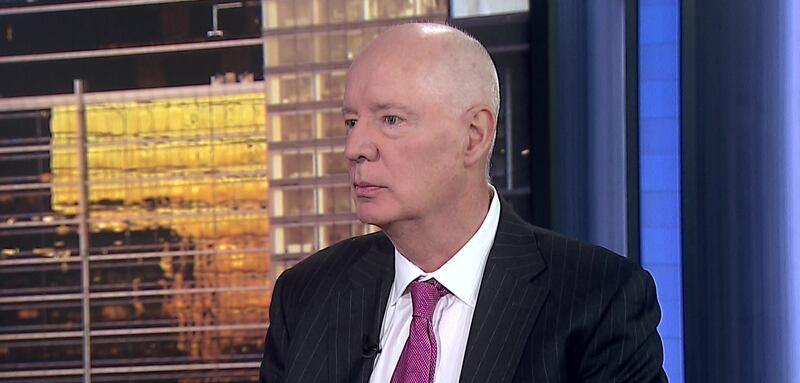
Read the full transcript below:
MERELLA: Cenovus Energy is increasing its takeover bid for rival MEG Energy. Cenovus CEO Jon McKenzie says the new offer came after Cenovus received support from MEG shareholders who wanted a share in the combined company instead of just cash. Let’s get more with John Stephenson, founder of Granite Point Research. Thanks for coming in.
STEPHENSON: My pleasure.
MERELLA: Do you feel Cenovus had to make a second offer? Did they have enough support among MEG shareholders to accept the first offer?
STEPHENSON: I think support was tepid. It’s clear MEG’s board wanted Cenovus — it’s the logical fit. Many in the industry feel the same, but the first offer just wasn’t strong enough. They’ve now increased it by about $1.32 a share, or roughly $700 million, and I think they had to do that to top Strathcona’s offer. If they hadn’t, it would’ve been a tough slog. Remember, Strathcona already owns 14 per cent of MEG, so Cenovus had to get past that hurdle. I don’t think they were hearing the signals that the first proposal would pass muster if the vote had gone ahead.
MERELLA: That would have been close.
STEPHENSON: Yes, I think it was close. They had to do something. I don’t think they were thrilled to do it — Cenovus has been working to pay down debt and just brought it below $4 billion. Taking on something else now isn’t ideal, but they’re the logical buyer and were under pressure to make it happen.
MERELLA: How much could Strathcona disrupt the vote with the number of shares it already holds?
STEPHENSON: It could have an impact. The vote has now been pushed back to Oct. 22, giving Strathcona time to respond. They could come up with another offer and top Cenovus’s, which sits around $29.80 per share. I could see daylight to $31 or even $32 a share from Strathcona. That would really complicate things for MEG management, who see a logical match-up with Cenovus because both have assets in the Christina Lake oilsands region of northern Alberta. That’s MEG’s only asset, and that’s where the real synergy lies. A competing offer would definitely shake things up.
MERELLA: What’s the benefit for shareholders of taking Cenovus shares instead of cash?
STEPHENSON: It’s essentially an option on the upside. If you believe in the long-term future of the oilsands and think energy prices will rise — and I’m in that camp — then shares give you that exposure. Cash is certain, but shares offer potential. The deal includes about $3.8 billion in cash out of $8.6 billion total consideration, but there’s risk. If oil drops into the low $50s, the shares would be worth less. On the flip side, if oil climbs to $75, shareholders are sitting on big gains. Cenovus has also said it will step up share buybacks as part of its capital return strategy, now that debt is below $4 billion. Last quarter, it returned $900 million to shareholders, and that pace could accelerate if this deal goes through.
MERELLA: They’ve delayed the vote to the end of October. Did they need to do that?
STEPHENSON: Yes, they had to give shareholders time to think and react. Support for the transaction wasn’t overwhelming, but two major proxy advisory firms — ISS and Glass Lewis — have both recommended voting in favour of the Cenovus-MEG combination. Pushing the meeting back gives institutional investors and portfolio managers time to analyze the new numbers before voting.
MERELLA: We haven’t really talked about the Strathcona offer. Is there support for that? Cenovus seems to have the board’s backing, but there must be interest in the rival bid if Cenovus felt the need to sweeten its own.
STEPHENSON: Absolutely. Strathcona’s offer was superior before this change, which is why Cenovus had to raise its bid. The risk now is that Strathcona decides it really wants MEG and raises its own offer by another dollar or two. We’re already at a record price for an oilsands asset, but Strathcona has financial backing through the Waterous fund, so it has the flexibility to be aggressive if it really wants to win.
MERELLA: Do you expect Strathcona to counter?
STEPHENSON: I wouldn’t be surprised. Probably yes.
MERELLA: All right, we’ll stay tuned for that. John Stephenson, founder of Granite Point Research, thanks for coming in.
STEPHENSON: You’re welcome.
---
This BNN Bloomberg summary and transcript of the Oct. 8, 2025 interview with John Stephenson are published with the assistance of AI. Original research, interview questions and added context was created by BNN Bloomberg journalists. An editor also reviewed this material before it was published to ensure its accuracy and adherence with BNN Bloomberg editorial policies and standards.

