Team arm wrestling is being reshaped into a structured, franchise-based sport, with organizers aiming to turn a traditionally fragmented competition into a consistent, broadcast-friendly league. By emphasizing teams, scoring systems and season play, the format is designed to appeal to fans while creating clearer commercial pathways.
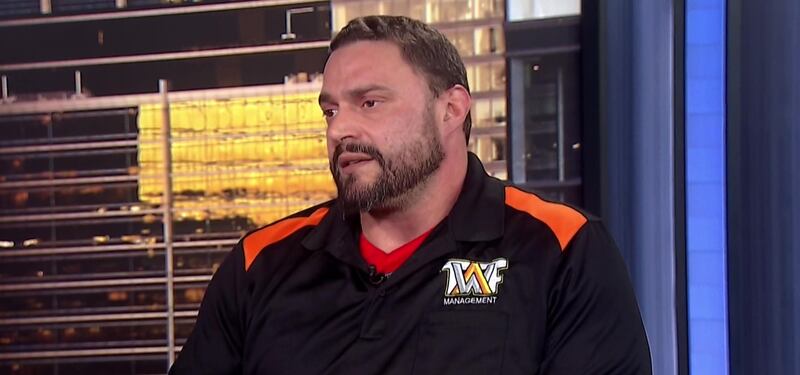
BNN Bloomberg spoke with Jason Costantini, co-founder of the Team Arm Wrestling Federation, about how the league is positioning itself for sponsorships, media rights and long-term growth by borrowing from established professional sports models.
Key Takeaways
- Team arm wrestling replaces one-off individual matches with city-based franchises and season-long competition.
- A standardized format with scoring, substitutions and weight classes makes the sport easier to follow and monetize.
- Broadcast distribution and predictable match timing are designed to attract sponsors seeking reliable exposure.
- Athlete pay, travel coverage and roster depth support a more professional and sustainable league structure.
- Organizers see the sport’s intensity without striking as a more accessible option for families and brand partners.
Read the full transcript below:
ANDREW: Our next guest says it’s a good sign if you’re balling your fists in his presence. He’s the co-founder of the Team Arm Wrestling Federation, a sports franchise based in Toronto. We’re joined by Jason Costantini, co-founder of the Team Arm Wrestling Federation. Jason, great to have you with us. I’ve never heard of this sport before.
JASON: Thank you very much for having us.
ANDREW: You’re based in Toronto, and you’ve got men’s and women’s teams in both Canada and the United States. How does it work?
JASON: TAWF — we pronounce it “tough” — is the first team-based, city-based arm wrestling format. What we’ve done is introduce things people are used to in professional sports, like a point system, scoreboards, managers, substitutions and roster changes. We’ve developed a sport around the primal activity of arm wrestling that everybody already knows.
ANDREW: There is an existing professional arm wrestling scene, but that’s mostly one-on-one competition.
JASON: Exactly. Arm wrestling is actually a huge sport online, with millions of followers, but it’s very fragmented. The current format is single, one-on-one matches — what’s called a super match. That leads to a lot of one-off events, but there’s no season structure where fans can follow along week to week and make it habitual, watchable content.
ANDREW: How many athletes are on a team?
JASON: There are eight competitors. For men and women, it’s two different formats. For women, it’s three versus three, mainly because there aren’t as many women competing yet, but they do want to compete and we’re trying to grow that side. For men, it’s eight versus eight. There are four weight classes, with two competitors in each class. Over a season, teams actually have 12 athletes — three in each weight class. It’s similar to a pitching rotation in baseball. You rotate athletes based on matchups because arm wrestling is very strategic. Certain styles work well against some competitors and not against others.
ANDREW: Right now, your matches are broadcast online rather than on traditional television.
JASON: We have a broadcast deal with Anthem Sports through Fight Network and Game+. Our first event aired on Fight Network in both Canada and the U.S., and we have a deal through 2026 to broadcast all of our content on Fight Network and Game+. We’re also online through our YouTube channel and the Fight Network YouTube channel.
ANDREW: Do you have revenue coming in yet?
JASON: Revenue will come from four main pillars: sponsorships, ticket sales, media rights and merchandise. Right now, we’re still in the startup phase. We’re in a bridge capital stage, looking for investors, and then we’ll have a seed round coming up.
ANDREW: One thing that stood out to me is that competitors don’t grip each other aggressively before matches because they don’t want to give anything away.
JASON: It’s a hand-based sport, so all the information comes through your hands. Just like fighters might stare each other down, you can learn a lot from a handshake — where someone is strong, where they want to go. You don’t want to give that information away, so it’s an interesting part of the culture.
ANDREW: How long does an individual match usually last?
JASON: Arm wrestling is more about a struggle of will than an impact moment. A match can end instantly with a flash pin, where one competitor overpowers the other right off the start. But if a match stops in a certain position, it can last several minutes. The longest match in history was about nine minutes. At that point, it’s about who wants it more. Both athletes are exhausted, but they’re still battling to see who gives up first.
ANDREW: Have you signed any sponsors yet? It seems like a natural fit for brands like energy drinks.
JASON: We haven’t locked anything in yet. We’re still very early. But because of our format and weekly structure, it’s much easier for sponsors to know when and where they’ll get exposure. That’s something traditional super matches don’t offer. We think it’s a great fit for energy drinks, but also for more family-oriented, blue-collar brands like hardware and tool companies.
ANDREW: You mentioned families. It’s intense, but it’s not violent in the way some combat sports are.
JASON: It still has that face-to-face intensity, but you’re not striking each other. That said, it is a combat sport and injuries do happen. We’ve seen torn biceps and broken humerus bones. That usually comes down to bad positioning or conditioning. We’re not trying to create shock value — we’re trying to build something that’s approachable for families and a wide audience.
ANDREW: Fascinating stuff. Jason, thanks very much.
JASON: Thank you so much for having me.
ANDREW: Jason Costantini, co-founder of the Team Arm Wrestling Federation.
---
This BNN Bloomberg summary and transcript of the Jan. 9, 2026 interview with Jason Constantini are published with the assistance of AI. Original research, interview questions and added context was created by BNN Bloomberg journalists. An editor also reviewed this material before it was published to ensure its accuracy and adherence with BNN Bloomberg editorial policies and standards.

