PepsiCo is rolling out price cuts of up to 15 per cent on select snack brands, including Lay’s and Doritos, as it looks to reverse a prolonged volume slowdown following years of sharp price increases. The move comes ahead of the Super Bowl, a key selling period, and alongside broader efforts to refresh the company’s snack portfolio.
BNN Bloomberg spoke with Filippo Falorni, director and U.S. beverages analyst at Citi Research, about the impact of price reductions, activist investor pressure from Elliott Management, and how pricing, innovation and reformulation could influence demand trends in 2026.
Key Takeaways
- Selective price cuts reflect an effort to restore affordability after years of high inflation-driven increases hurt snack volumes.
- PepsiCo is using targeted, “surgical” pricing rather than broad cuts, focusing on specific brands, pack sizes and regions.
- Activist pressure has accelerated changes, pushing management to act faster on pricing and portfolio adjustments.
- Volume recovery is expected to build gradually, with more impact likely in the second quarter as retailers reset shelf space.
- Reformulation and higher-protein offerings are central to addressing health trends and potential demand shifts tied to GLP-1 drugs.
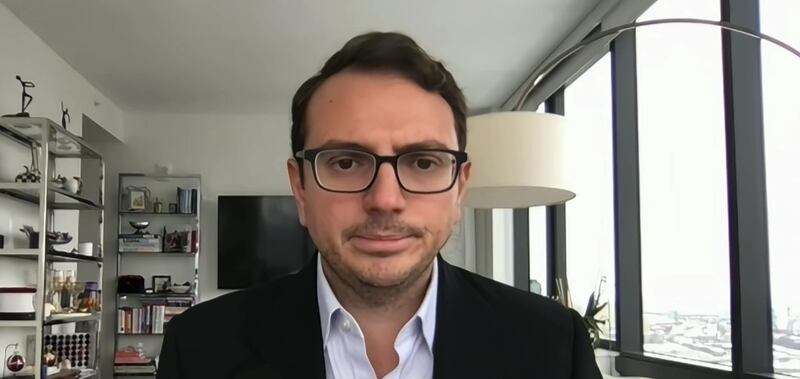
Read the full transcript below:
LINDSAY: PepsiCo is cutting prices by as much as 15 per cent for key brands, including Lay’s and Doritos, in a bid to lift sales by offering more affordable products. Let’s get more on the company’s latest results from Filippo Falorni, director and U.S. beverages analyst at Citi Research. It’s good to have you join us. Thanks for taking the time.
FILIPPO: Thanks for having me on, Lindsay.
LINDSAY: So the big news, obviously, is PepsiCo reducing some of its pricing right before Super Bowl Sunday. What do you make of that?
FILIPPO: Yeah, absolutely. Look, this has definitely been a concern from investors. It’s been a concern from a volume standpoint, particularly the growth in the Frito-Lay business. If you remember, from 2021 to 2024, U.S. CPI was extremely elevated, and companies across the food and beverage space took significant pricing in that period, in the double-digit range for a couple of years. Volumes were clearly impacted during that time.
Now, given there’s not really a lot of incremental pricing left, you’re seeing a situation where volumes have been negative over the past year. Companies are trying to stimulate volumes with price reductions. So this is definitely a step in the right direction in terms of trying to reaccelerate volume growth.
That said, we still need to see the elasticity — the benefit on volume in response to these price cuts. The company sounded confident on the earnings call, pointing to positive signs from retailer tests and incremental shelf-space gains with some key U.S. retailers.
LINDSAY: Yeah, I mean, they also raised the dividend by about five per cent, which suggests confidence. But like any company, they can only lower prices so much, right?
FILIPPO: Yeah, absolutely. There’s going to be a limit to how much these interventions can do and how long they can last. On the call, CEO Ramon Laguarta described the price actions as “surgical.” They’re looking at specific price packs, certain retailers and particular geographies where consumers have felt the most pressure from inflation over the past few years.
These are not across-the-board cuts. They’re trying to stimulate volume on a brand-by-brand, channel-by-channel and even pack-by-pack basis. We’ll have to see how long these price interventions last. What’s interesting is that they’re combining pricing with innovation.
They’re reformulating parts of the portfolio to remove artificial colouring, including the “naked” lines across Lay’s, Cheetos and Tostitos. So it’s a combination of innovation and pricing, with the goal of getting volumes back to growth in the snacking business.
LINDSAY: How quickly do you expect to see results from that? As soon as next quarter?
FILIPPO: They’re hoping to see some positive results in the next quarter, in Q1 2026. But it really starts to kick in more in Q2. A lot of retailers reset shelf space around March and April, so you’ll likely see some impact toward the back half of Q1 and then more meaningfully into Q2 of 2026.
LINDSAY: Let’s talk about Elliott Management. It took a roughly $4 billion stake in the company last year. Price reductions are something Elliott has pushed for. What do you make of that involvement?
FILIPPO: Some of the strategic initiatives PepsiCo announced were developed in collaboration with Elliott. In early December, PepsiCo and Elliott issued a joint statement saying that several initiatives — including pricing actions and innovation — had been discussed with Elliott’s involvement.
So this is clearly being done in coordination. Elliott has pushed PepsiCo to act more quickly. Management has talked about a greater sense of urgency to turn around the Frito-Lay business, which has been the biggest underperformer in the portfolio.
The U.S. beverage business has been growing in the low single digits, and the international business — about 40 per cent of the company — is growing in the mid single digits. The weak spot has been the Frito-Lay snacks business, and Elliott has pushed management to move faster to address that.
LINDSAY: What are the main challenges behind that underperformance? There’s been a lot of talk about weight-loss drugs affecting companies like PepsiCo.
FILIPPO: There are several factors. Pricing is one, which they’re addressing now. From 2021 to 2024, companies took high single-digit to low double-digit price increases every year in salty snacks, and that value equation broke down for consumers. Affordability is one part of the solution.
The second factor is more structural, including increased adoption of GLP-1 drugs. On that front, PepsiCo is working on product reformulation, including higher-protein snack options. They’ve talked about launching protein-enhanced Doritos, for example.
The third headwind is broader health and wellness trends, with consumers paying closer attention to ingredients and labels. That’s where reformulation comes in, including removing artificial colours and sweeteners. Those changes are already showing up in the market with the recently launched “naked” product lines.
LINDSAY: Fascinating. We’ll have to leave it there. Filippo Falorni, U.S. beverages analyst at Citi Research. Thanks so much for your time.
---
This BNN Bloomberg summary and transcript of the Feb. 3, 2026 interview with Filippo Falorni are published with the assistance of AI. Original research, interview questions and added context was created by BNN Bloomberg journalists. An editor also reviewed this material before it was published to ensure its accuracy and adherence with BNN Bloomberg editorial policies and standards.

