Lululemon shares are under pressure after the company issued weaker-than-expected guidance for 2026, pointing to continued margin pressure and uneven regional growth.
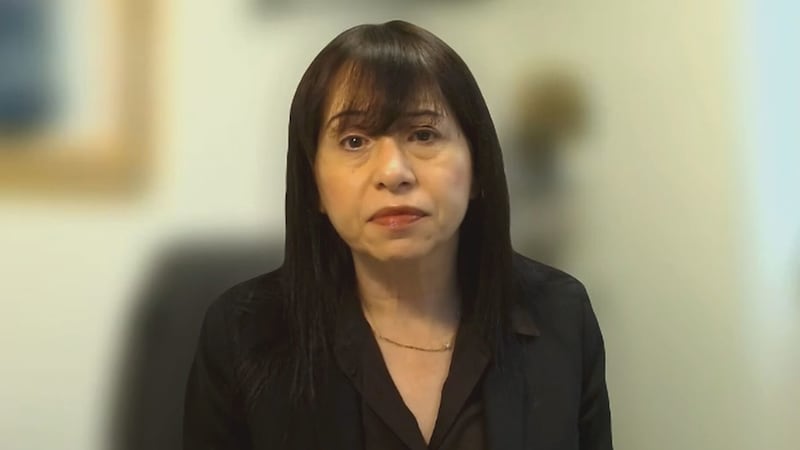
BNN Bloomberg spoke with Dana Telsey, CEO and chief research officer at Telsey Advisory Group, who lowered her price target and discussed how product strategy, tariffs and international expansion are shaping the outlook.
Key Takeaways
- Fourth-quarter results topped expectations, but much of the earnings upside came from a one-time tax benefit rather than core operations.
- North American sales remain sluggish, with flat same-store performance highlighting ongoing demand challenges.
- The company is prioritizing full-price selling and reducing promotions as part of a broader brand reset.
- Tariffs and higher costs are expected to weigh on margins, with limited near-term relief.
- Growth is increasingly driven by international markets, while operational improvements are expected to take hold later in the year.
Read the full transcript below:
LINDSAY: Lululemon shares are down in premarket trading after the company issued weaker-than-expected 2026 guidance. Our next guest is lowering her price target on the stock to $175. We’re joined now by Dana Telsey, CEO and chief research officer at Telsey Advisory Group. Good morning. It’s good to have you with us.
DANA: Good morning. Thank you for having me.
LINDSAY: Looking at these latest results, Lululemon beat fourth-quarter expectations but issued weaker-than-expected 2026 guidance. How should investors interpret this disconnect between what we’ve seen and what’s expected from the company?
DANA: I think overall they’re still in a transition period, putting in new product to drive increased sales. The newness quotient is going up to 35 per cent from what it had been, so there’s a real pickup. As we go through the year, you’ll see more of that newness come in. Don’t forget, in the first quarter, particularly in North America, you still have some tariff headwinds. The real focus for Lululemon is reducing markdown sales in order to return to full-price selling, which is expected to accelerate more in the second half of the year.
LINDSAY: I wanted to talk about that — pulling back on promotions. The company was asked about this on its earnings call this morning and didn’t give much further insight into the reasoning. Do you view this as a necessary brand reset rather than something that could hurt the company in the short term?
DANA: I think overall, as you bring in new product, you’re beginning to see what they call green shoots in terms of product acceptance. You don’t need an accelerated path of markdowns as you deliver newness. Interestingly, in my call with them yesterday after the earnings release, the goal is to improve operating margins beginning in 2027, because the acceptance of this new product is very much front and centre.
LINDSAY: We know tariff impacts are rising for many companies, to a net $220 million in 2026. How damaging could that be to Lululemon’s margin profile going forward? How much longer can companies continue to absorb those costs?
DANA: I think one of the things we’ve seen from retailers is that they’ve become very agile. They’ve enhanced and advanced their supply chains, and they’re lapping tariffs. Who knows where tariffs go in the future, but the innovation pipeline that companies are putting in place, including Lululemon, is driving more appeal. Also, keep in mind that events like the World Cup can drive demand for new occasion wear, and we’re seeing an uptick in consumer acceptance and conversion as a result.
LINDSAY: Has the company mentioned any other realistic levers it plans to use to offset tariffs?
DANA: I think they continue to look at expense reduction opportunities, and you’re going to see more from them there. You’re also seeing the opportunity from new product. Some of the higher average unit retail selling price increases come from categories that are more premium. Overall, international growth is stronger than what you’re seeing in North America, and the majority of new store openings are taking place overseas.
LINDSAY: It’s interesting to watch the global picture, because same-store sales in the Americas have been flat for the last two years. How concerning is that? Is growth in China enough to offset what you’re seeing in the Americas?
DANA: You want to see a return to growth in the Americas. That’s where the focus is — delivering more full-price selling of newer items. Even stabilization or modest growth is meaningful when you have a company doing more than $11 billion in sales. The green shoots in product acceptance, along with store optimization and refreshed formats, should help improve the trend direction in the Americas going forward.
LINDSAY: How much of a distraction or potential catalyst is the ongoing proxy battle with founder Chip Wilson? Is it hurting the company?
DANA: I think it’s a distraction. It certainly doesn’t help, and it’s also a cost. Removing that cost would help margins. They’re still searching for a new CEO, so there’s a lot of transition. At the same time, they continue to execute on their core strategy — delivering newness, enhancing the customer experience and investing more in social marketing to widen their reach.
LINDSAY: Chip Wilson has been vocal about who he thinks should be the next CEO. How critical is it for the company to find a new leader soon?
DANA: Soon is definitely better. They have a game plan in place and are beginning to see some green shoots, but you would expect an announcement within the next couple of quarters.
LINDSAY: You’ve maintained a hold rating while lowering your price target. Do you expect any changes to the outlook as we approach the spring season?
DANA: The main upside would be better full-price sell-through. We know there are margin headwinds from tariffs and costs, so a change in trajectory would likely come from stronger top-line performance as new product gains acceptance.
LINDSAY: We’ll leave it there. That’s Dana Telsey, CEO and chief research officer at Telsey Advisory Group. Thanks for your time.
DANA: Thank you very much.
---
This BNN Bloomberg summary and transcript of the March 18, 2026 interview with Dana Telsey are published with the assistance of AI. Original research, interview questions and added context was created by BNN Bloomberg journalists. An editor also reviewed this material before it was published to ensure its accuracy and adherence with BNN Bloomberg editorial policies and standards.

