Netflix shares are under pressure after the streaming giant issued a weaker-than-expected forecast, raising fresh questions about its ability to sustain growth.
BNN Bloomberg spoke with Matthew Dolgin, senior equity analyst at Morningstar, who said the company may need frequent price hikes to meet growth expectations, even as international momentum slows.
Key Takeaways
- Netflix may need regular price increases to sustain mid-teens revenue growth, which could be difficult to maintain.
- The latest forecast disappointed investors largely because full-year guidance was not raised.
- International growth, including in Asia, is slowing compared with previous periods.
- The shift toward ad-supported plans could pressure revenue per user in the near term.
- Strong content and engagement remain key strengths but may not be enough to justify current valuation.
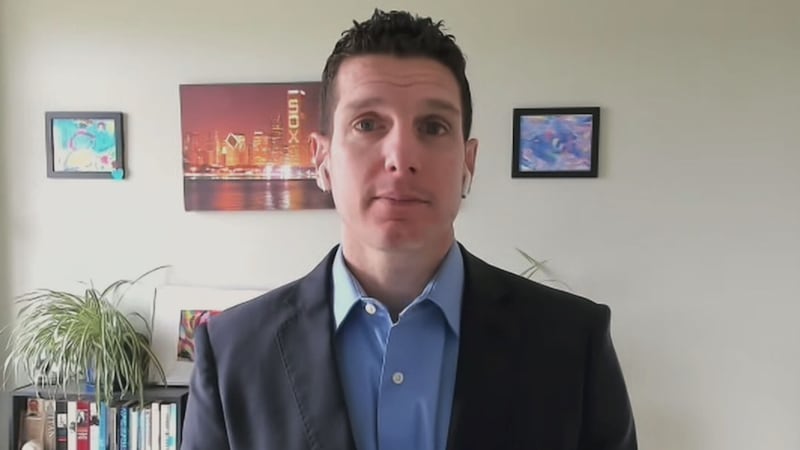
Read the full transcript below:
ANDREW: Shares in Netflix are down sharply today. The company’s forecast for the current quarter came in below expectations. We are joined by Matthew Dolgin, senior equity analyst at Morningstar. Thanks very much indeed for joining us.
MATTHEW: Hi, Andrew. Thanks for having me.
ANDREW: This is interesting. Just reading your analysis here, your fair value estimate on Netflix is only 80 bucks. And one thing that gives you pause on this stock is you say that to grow, they need to keep hiking prices. But there’s a limit to that.
MATTHEW: Yeah, that’s exactly what we’re saying. To be specific, to grow at, let’s say, at least a rate in the teens on the top line each year, is what they will need the price increases for. And we think a couple of things that the market has maybe come around to seeing a little bit today is that, first of all, that is what it’s going to take — the price increases, which we got in March just this year in the U.S., the biggest market — and second, they need to come every year. And so, although this time it was only 14 months since the last one, that’s a really quick pace, and we don’t think at these rates, especially more than a 10 per cent increase to prices for subscribers, we don’t think that they can do that every year. Despite it being the best service and subscribers wanting it, it’s not something they can do every single year. And we think that’s what it would take to get the type of growth that the market has been pricing in, in our view, and we think that’s looking a little bit less likely.
ANDREW: That’s interesting. I mean, for a lot of people, Netflix would be seen as essential, and it’s cheaper than a night out at the movies with parking and popcorn and everything. But you think there is a limit.
MATTHEW: I do, and there are a couple of other things that maybe get a little bit more nuanced. For one thing, with these streaming subscriptions, you don’t need to be subscribed constantly. So even if you want to see something on Netflix, you don’t have to be subscribed 12 months out of the year to get all the content you want, because you can watch it in chunks. That’s actually one reason why they’re making a bigger push into live events. But secondly, the really interesting thing about the ad-supported plan now is that it is a way, an alternative, for consumers to maybe pay a little bit less to get the same content. The issue is right now, in the U.S., for example, the difference in price is US$11 per month, and that’s not an amount that we think Netflix is getting anywhere close to making up in ad revenue per subscriber. So, of course, it can grow, and growing ad revenue is a huge part of what will lead to more revenue per user, and revenue growing for this company, but first you have to offset any of that mix shift from non-ad subscribers to ad subscribers. It’s just another variable that makes it tougher to grow at the rate that we think the market got accustomed to in the mid-teens, when there was so much opportunity to add subscribers on top of sporadic price increases.
ANDREW: What about Asia? Apparently, the World Baseball Classic did well in Japan, but growth in Asia was slow compared to previous periods.
MATTHEW: Yeah, growth was still good and it was still the highest-growing market, but it was down from every quarter last year, and that was with this huge bump in Japan from the World Baseball Classic, and just from management’s commentary, strong markets throughout Asia. Like I said, even with that, it’s a little bit down after adjusting for currencies compared to last year, and the other international markets, same story, and actually even more visible, the amount that they’ve slowed, which is, again, not overly concerning. They’re growing well. Netflix is a great company with growth in front of it, but there are reasons to think that it can’t grow at the rate that we just think the market was pricing it. We simply think that a great company has been priced too expensively, and it is in a more mature phase now and should be priced appropriately.
ANDREW: I know critics, though, say Netflix still creates surprises, original ideas for shows. It has Death by Lightning, a four-episode Netflix drama depicting the rise and assassination of President James Garfield. He was shot in Washington. And, I mean, that’s an off-base idea. It’s meant to be a great show, Death by Lightning.
MATTHEW: Yeah. More broadly, Netflix, first of all, does put out great content that people want to see, and second of all, we think that people find it more on Netflix. So once again, this is part of the Netflix story. It’s kind of a given that they need to and that they do put out content that is viewed, that engagement is really high and blows away all the competition. But with all of that, you still need to find a way to, again, let’s say, mid-teens growth for where the stock was priced. And this is a necessity to get there, continuing to put out content like this, but not sufficient by itself. And like I said, we’ve struggled to find the ways that make it likely, on a year-to-year basis, they continue at that rate.
ANDREW: What about sports? Have they invested very heavily in sports events?
MATTHEW: They haven’t yet invested very heavily, if you’re talking about how much of their content budget is going towards it. However, they have increasingly gotten much more into one-off types of events, so not full packages of major sports seasons. But they did have the World Baseball Classic in Japan. They have some Major League Baseball events in the U.S. They had opening day. They have the Home Run Derby, the Field of Dreams game. So some events that are especially notable. We’ve seen them do that with the NFL on Christmas Day. So they’re moving more and more in that direction, but they still say they don’t want to take a huge step and make a large monetary commitment. Like we said, we think this is important to have this type of content to ensure that subscribers do need to be there, so the content isn’t always on demand, but at this point, it’s not a huge part of their business. And if it were to be, it would take a big investment that might help revenue stay much higher, but would come at a cost.
ANDREW: Just finally, Reed Hastings, the co-founder and chairman, stepping down. Do you think that’s worrying investors today?
MATTHEW: It may be one of the factors, but we don’t think that it is or should be a major factor. He has been in the background for quite a few years now. It is very clear to us that the co-CEOs of this company are really the decision-makers, driving both the strategy and the execution here, and so we don’t expect a big change with him stepping down, and we don’t think that the stock should be looked at differently with that being the case now.
ANDREW: Thanks very much. Death by Lightning has the assassination of the president played by Matthew Macfadyen, the British actor we know from Succession, so he’s always entertaining. Thank you very much, Matthew. Really appreciate it. Matthew Dolgin, senior equity analyst at Morningstar.
---
This BNN Bloomberg summary and transcript of the April 17, 2026 interview with Matthew Dolgin are published with the assistance of AI. Original research, interview questions and added context was created by BNN Bloomberg journalists. An editor also reviewed this material before it was published to ensure its accuracy and adherence with BNN Bloomberg editorial policies and standards.

