Newmont’s second-quarter results were broadly in line with expectations as elevated gold prices strengthened its financial position. The results also reinforced the valuation case for the world’s largest gold producer.
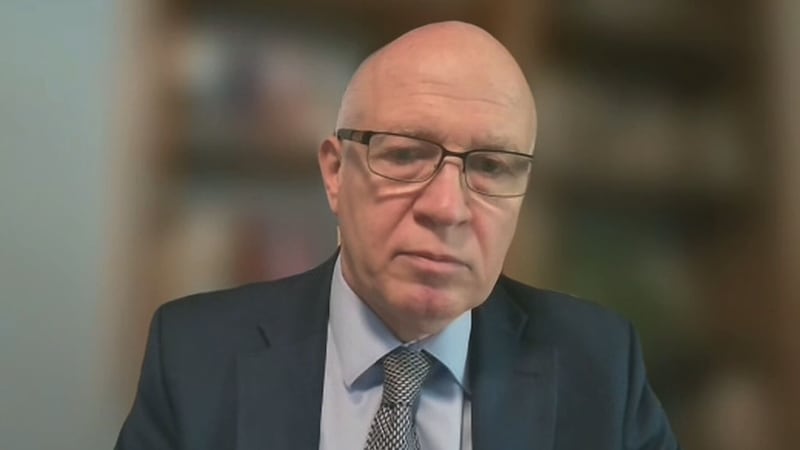
BNN Bloomberg spoke with Martin Pradier, materials analyst at Veritas Investment Research, about Newmont’s quarterly performance and the factors shaping its investment prospects.
Key Takeaways
- Newmont generated $2.2 billion in quarterly free cash flow and $5.5 billion in the first half, with full-year free cash flow expected to exceed $11 billion.
- Gold production declined 13 per cent from a year earlier, while costs per ounce rose 14 per cent amid higher royalties and oil prices.
- Third-quarter production is expected to remain near second-quarter levels before strengthening in the final three months of the year.
- Newmont has repurchased about 100 million shares, representing roughly nine per cent of its outstanding shares, over the past two years.
- Disagreements involving Nevada Gold Mines and Barrick’s proposed initial public offering could lead to litigation between the joint-venture partners.
Read the full transcript below:
ROGER: Well, Newmont delivered a second-quarter earnings beat as record gold prices continue to support cash flow and shareholder returns. However, investors are also watching cost pressures, production weighting in the second half of the year and ongoing discussions with Barrick over their Nevada Gold Mines joint venture. Joining us now is Martin Pradier, materials analyst at Veritas Investment Research. Martin, thanks very much for joining us.
MARTIN: Thank you.
ROGER: Would you call this a beat across the board or a little mixed?
MARTIN: I think it was mainly in line with expectations. I mean, production is basically 1.3 million ounces. They’re guiding 5.26 million, so you’re right in line there. They had done the same in the first quarter, and earnings were, like, a few cents ahead. Nothing really to note about. I think the important thing is they showed the strength of the free cash flow. In the first half, free cash flow was $5.5 billion. We’re estimating over $11 billion for the year, and this is a stock that has only $100 billion of market capitalization. So, the cash yield is fantastic. The stock is very cheap. It’s trading at about nine times P/E, five times forward EBITDA, and so we’re still very constructive on the stock. We have a buy.
ROGER: And with that free cash flow, what do you see them doing with it?
MARTIN: They’re buying shares. They bought nine per cent of the float in the last two years. Now they have more free cash flow than before because gold prices are much higher. So, they could theoretically buy up to 10 per cent of the float and pay dividends of about one per cent. So, they’re in a very good position.
ROGER: Now, I mean, the price of gold obviously is a factor in making things a lot easier for them. Is that sustainable, or are there concerns that you see within their performance?
MARTIN: We are still positive on the gold price. We think that, fundamentally, the problems that the U.S. has in terms of the fiscal deficit have not improved. If anything, they’re worse. And the concern right now is a little bit of inflation, but this could be a temporary thing. And once that recedes a little bit, we should see gold prices going up again.
ROGER: So, it’s good for them. Now, any concerns about where the all-in sustaining costs came in? It was at $1,660; consensus was $1,920 an ounce.
MARTIN: Well, yeah, they’re increasing. No, I mean, yes. We knew that Newmont would have a big increase in costs, and, you know, when they started the year, they talked about a 24 per cent increase in costs. They’re coming in a little bit lower. It’s, you know, it’s not great, but still, you see that the free cash flow is very strong.
ROGER: And do you see the costs improving over time?
MARTIN: Probably, it’s going to get a little bit worse in the second half because there is some delay in terms of passing oil price increases. So, because you normally have some inventory and stuff, if oil prices continue at this level, we could see higher costs. That’s one of the, you know, inputs that they have, but they have maintained costs relatively well. At least they’re reaching close to the guidance. The problem is that production is 13 per cent lower than in the same quarter last year. They sold some mines and stuff, and that affects the cost per ounce.
ROGER: And you mentioned delays at the Red Chris project. What’s the latest on that?
MARTIN: Well, they expect to have a feasibility study by the end of the year, and then the good thing is they got the environmental permit. They reached an agreement with the First Nations, so they are ready to, you know, once they see that the numbers work, they’re ready to go ahead with the project. I think they will eventually go ahead. They sort of hinted that it will be at a much higher cost than the original project. So, the latest estimate that we have is a $3-billion cost, probably higher.
ROGER: Higher, but acceptable to you?
MARTIN: Well, apparently, they changed the project, so they will also get more revenue. We have to see the numbers. I don’t know what the new project is. You know, you don’t have access to that information.
ROGER: You’re not on the site right now. And what’s the latest with Newmont and Barrick’s planned IPO? How is everything unfolding with that? Is it still going to plan?
MARTIN: Badly. So, basically, the CEO of Newmont did not want to comment on that. She explained that the negotiations are not going as planned and that they still have a lot of unresolved issues, and it could finish in litigation, I think.
ROGER: And what’s your feeling on it? Do you even want to put the radar up and think which way it’s going?
MARTIN: No, I don’t know. I mean, it’s difficult to know. It’s more of a problem for Barrick than Newmont, but she said that they were not happy with the way Barrick is managing the mine, and there is also a disagreement over whether Barrick can do an IPO. So, according to Newmont, they cannot do an IPO. They should offer their shares to them first.
ROGER: OK, so that’s—oh, sorry. Finish it. Please finish.
MARTIN: No, so those are the two big issues. And, eventually, Barrick finds this Fourmile project that it wants to incorporate into the joint venture. OK, so we also have to see how that is done. You know, you need to figure out the value of that. So, there are a lot of issues standing there.
ROGER: All right, we have to wrap it up there, Martin. But thanks very much for joining us.
MARTIN: Thank you.
ROGER: Martin Pradier, materials analyst at Veritas Investment Research.
---
This BNN Bloomberg summary and transcript of the July 24, 2026 interview with Martin Pardier are published with the assistance of AI. Original research, interview questions and added context was created by BNN Bloomberg journalists. An editor also reviewed this material before it was published to ensure its accuracy and adherence with BNN Bloomberg editorial policies and standards.

