Canadian markets are heading into 2026 with momentum supported by easing monetary policy, fiscal stimulus and continued investment in artificial intelligence. Expectations for productivity gains and a positive wealth effect are reinforcing optimism, even as risks around valuations and interest rates remain in focus.
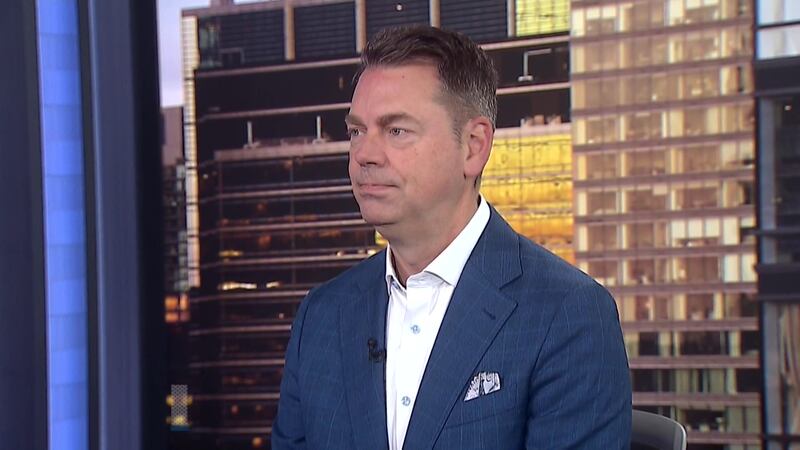
BNN Bloomberg spoke with Philip Petursson, chief investment strategist at IG Wealth Management, about why AI spending, supportive policy and consumer strength could drive returns next year, and why rising bond yields could pose a risk to valuations.
Key Takeaways
- Artificial intelligence investment is expected to remain strong in 2026, with productivity gains emerging as companies increasingly adopt AI tools.
- Monetary policy is likely to stay supportive, with further U.S. rate cuts expected and a possible symbolic cut from the Bank of Canada.
- Fiscal stimulus, including tax rebates for households and incentives for businesses, is expected to strengthen economic conditions next year.
- Rising financial wealth could support higher consumer spending through a positive wealth effect, boosting corporate earnings.
- Strong growth could push long-term bond yields higher, pressuring equity valuations and potentially leading to a correction similar to 2018.
Read the full transcript below:
ANDREW: Our guest says continued spending on artificial intelligence, along with expected productivity gains, will be among the factors pushing markets higher in 2026. We’re joined by Philip Petursson, chief investment strategist at IG Wealth Management. Good to see you. You expect heavy spending on AI infrastructure to continue.
PHILIP: Yes. We think that continues through 2026. We’ll see further buildout of data centres and continued significant investment in AI research by the major players. More importantly, we believe we’ll start to see productivity gains. Companies are beginning to embrace available AI tools, and while we haven’t seen meaningful productivity improvements yet, we think that changes in 2026.
ANDREW: There was a Reuters headline today saying business leaders agree AI is the future, but they wish it worked better right now. Some companies are struggling to generate productivity gains so far, though it’s still early.
PHILIP: You have to be realistic. These are early tools, and it takes time to understand how to use them across different functions to enhance productivity. That could mean faster editing, quicker data aggregation or other incremental improvements. Those small gains will add up. If leaders are expecting a single, world-changing solution right away, that’s probably further down the road. For now, it’s about taking the small wins before looking for home runs.
ANDREW: Reuters spoke with people behind a wine-collection app that built an AI-powered sommelier, but it was too nice and wouldn’t criticize any wine. They had to tweak it to make it a bit meaner.
PHILIP: That’s part of it. AI isn’t necessarily going to replace people. It’s going to make us more productive. Sometimes you need human input to tell it, no, that’s the wrong choice.
ANDREW: Central banks are also in focus. The Federal Reserve is expected to keep cutting rates, even if the Bank of Canada is done, and that’s generally positive for markets.
PHILIP: Exactly. The Bank of Canada is on pause right now, and it’s unclear if it’s finished. Recent data has been a bit stronger and surprised to the upside, but we still think there’s potential for one more cut, likely more symbolic than anything else. If we see weakness in the first half of the year, we’ll probably see another cut in the U.S. Overall, we expect at least one, two or even three cuts from the Fed this year. We’re not getting to one per cent, but a federal funds rate between three and three-and-a-quarter per cent is possible.
ANDREW: Fiscal spending is another factor. Canada is spending on infrastructure, and the U.S. is set for tax cuts.
PHILIP: Exactly. We see significant tax cuts coming through OB3 starting in January. Households will receive sizable tax rebates in 2026, along with corporate tax incentives. Combined with monetary stimulus, this points to a stronger economic environment in 2026 than in 2025. And 2025 has already surprised to the upside.
ANDREW: OB3 being President Trump’s One Big, Beautiful Bill.
PHILIP: Exactly. It’s easier to use the acronym.
ANDREW: Higher stock prices can also be self-reinforcing, making households feel wealthier and more willing to spend.
PHILIP: That’s the positive wealth effect. As financial wealth increases — whether through 401(k)s in the U.S., RRSPs in Canada or other investments — people feel wealthier and that often translates into increased consumption. Studies from Visa and Oxford Economics suggest that for every dollar of new financial wealth, about 15 to 25 per cent turns into additional spending. That supports stronger consumption, which in turn improves corporate profitability.
ANDREW: One asset class you’re more cautious on is bonds.
PHILIP: Yes, both Canadian and U.S. bonds. They remain an important ballast in portfolios, but we’re looking at low single-digit returns in 2026. There’s also a risk that long-term bond yields move higher as the term premium expands.
ANDREW: Term premium being the compensation investors demand for holding longer-dated bonds.
PHILIP: Exactly. Given what we expect in 2026, particularly in the U.S., the 10-year Treasury yield could edge higher. That brings bond prices down and can also compress equity valuations. We’re not saying this will happen, but it’s possible that economic conditions are strong enough to push long-term yields higher, leading to a valuation correction similar to 2018.
ANDREW: Finally, what questions are advisors hearing from clients?
PHILIP: The biggest concern is whether we’re in an AI bubble. That’s been the top question for about six months. Our response is that while a bubble is possible, we don’t see extreme euphoria like we did in 1999. Valuations for leading AI companies are far lower, they’re profitable and they’re reinvesting those profits into research and development. We don’t think we’re in a bubble right now.
ANDREW: Though some might point to private companies like OpenAI, where spending far exceeds revenue.
PHILIP: That’s true, but those are private companies funded by others. The question is whether that represents a bubble. Possibly. But we still haven’t seen the full benefits of AI flow through to those firms or to the many companies adopting the technology.
ANDREW: Philip, thanks very much for your time.
---
This BNN Bloomberg summary and transcript of the Dec. 16, 2025 interview with Philip Petursson are published with the assistance of AI. Original research, interview questions and added context was created by BNN Bloomberg journalists. An editor also reviewed this material before it was published to ensure its accuracy and adherence with BNN Bloomberg editorial policies and standards.

