Home sales in the Greater Toronto Area declined in 2025 as economic uncertainty and weak consumer confidence continued to outweigh improvements in affordability, even as prices and borrowing costs moved lower.
BNN Bloomberg spoke with Jason Mercer, chief information officer at the Toronto Regional Real Estate Board, who said many households remain hesitant to commit to home purchases until there is greater clarity around employment conditions, trade uncertainty and the broader economic outlook.
Key Takeaways
- Greater Toronto Area home sales fell 11.2 per cent in 2025 despite lower prices and improved affordability.
- Household confidence remains the key constraint on demand, with buyers focused on job security and economic uncertainty.
- Rising inventory, especially in the condominium segment, has given buyers and renters more negotiating power.
- First-time buyers could help drive a recovery if employment conditions stabilize and borrowing costs remain steady.
- Greater clarity on U.S. trade and Canadian infrastructure projects could support improved housing activity later in 2026.
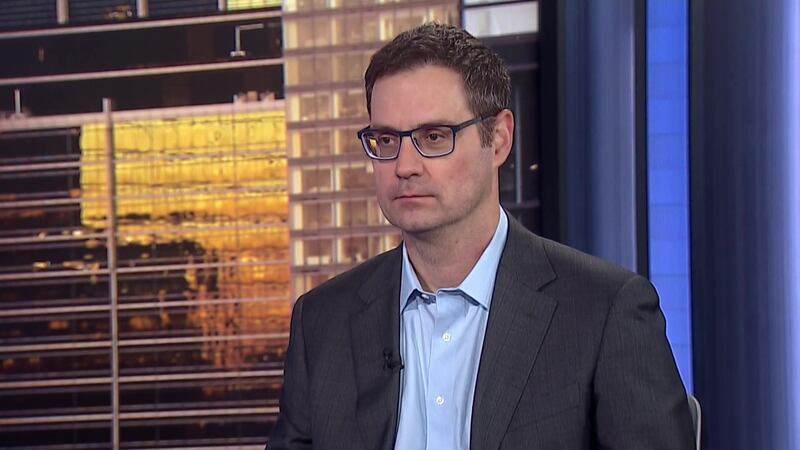
Read the full transcript below:
ROGER: The Toronto housing market may be in a bit of a fixer-upper mode right now. At least that’s the sentiment from the Toronto Regional Real Estate Board, which reported an 11.2 per cent decline in home sales in 2025 compared with 2024.Joining us now to discuss these findings is Jason Mercer, chief information officer at the Toronto Regional Real Estate Board. Jason, thanks very much for joining us.
JASON: Thanks for having me.
ROGER: The numbers are concerning. Any indicators of what’s driving this right now?
JASON: I think it’s an interesting story as we move into 2026 because, on the one hand, we saw a real improvement in affordability through the previous year. Both borrowing costs and selling prices trended lower across most major market segments. At the same time, sales were down. In a normal year, you’d expect improved affordability to lead to an uptick in sales. But on the other side of the coin, there’s a lack of confidence among many households. They may intend to purchase a home in the future, but there’s uncertainty around things like the trade relationship and the broader economic outlook. Many households are waiting to see what their economic fortunes and job situations look like as we move through 2026.
ROGER: Which area took the hardest hit? Is it still condos?
JASON: It’s been interesting. The condo apartment segment has historically been driven by investment, largely because of the long construction timelines. Investors buy pre-construction units with the intention of selling or renting them upon completion. Over the past year, the rental market has become better supplied, which has shifted negotiating power to tenants and pushed rents lower. Investors then face a decision: accept lower rental income or list units for sale. We’ve seen more condo units listed for sale over the past year.
ROGER: That’s typically the entry point for younger buyers. Are they starting to step in, or are they also waiting on the sidelines?
JASON: From a first-time buyer perspective, that group could help drive recovery as we move through 2026. They’re very interest-rate sensitive and don’t have built-up equity from previous homes. Monthly payments are a key consideration. With affordability improving, if first-time buyers feel more secure about their employment situation — and if we see better news on the trade front — that could support growth later in 2026.
ROGER: Toronto is also a magnet for immigration. Is the recent reduction in immigration playing a role?
JASON: That was an important story toward the end of the year. Aggregate population growth slowed largely because of declines in non-permanent residents — people here for school or short-term work — as fewer permits were renewed and more people left. That affected the rental market, reducing demand. Permanent immigration, however, continues, with many newcomers settling in the GTA for job opportunities and cultural diversity. Most of those households rent initially before moving into home ownership over a five- to seven-year period.
ROGER: For younger renters, has the shift in the rental market changed the buy-versus-rent calculation?
JASON: Yes, the calculus has changed. Renters can now negotiate better deals, either with their current landlord or by moving to a new unit. That widens the gap between the cost of renting and the cost of ownership, which encourages some households to take more time weighing short-term costs against long-term equity building.
ROGER: Let’s get into the pricing numbers. Where are prices sitting now?
JASON: Overall, the average price in 2025 was down about five per cent compared with 2024, whether you’re looking at the average price or the MLS Home Price Index. That reflects higher inventory levels. With sales down and inventory rising — especially in the condo segment — buyers have had more choice and negotiating power, which pushed prices lower. That also helps set the stage for recovery once people begin moving off the sidelines.
ROGER: How does Toronto compare with other parts of the country?
JASON: It varies. In places like Alberta, market conditions have been tighter, with stronger demand relative to inventory. Toronto and Vancouver have seen looser conditions. It’s very much a mixed picture across the country.
ROGER: Looking ahead through this year, are there any indicators of a rebound?
JASON: We’ll be releasing our official forecast in early February, but it makes sense to think of 2026 as a year with two halves. The transition from 2025 into 2026 hasn’t brought major changes yet. Borrowing costs aren’t expected to move much in the near term, and uncertainty remains. If we see more clarity — whether around trade with the U.S. or major Canadian infrastructure projects getting off the ground — that could improve confidence and lead to more activity in the second half of the year.
ROGER: Is trade with the U.S. the biggest concern?
JASON: In southern Ontario, many jobs are tied in some way to U.S. trade, so people are watching that closely. Broader geopolitical uncertainty and volatility are also contributing to hesitation.
ROGER: We were hoping for a calmer 2026, but that hasn’t happened so far. Jason, thank you very much for joining us.
JASON: Very welcome.
ROGER: Jason Mercer is chief information officer at the Toronto Regional Real Estate Board.
---
This BNN Bloomberg summary and transcript of the Jan. 7, 2026 interview with Jason Mercer are published with the assistance of AI. Original research, interview questions and added context was created by BNN Bloomberg journalists. An editor also reviewed this material before it was published to ensure its accuracy and adherence with BNN Bloomberg editorial policies and standards.

