Tensions between U.S. President Donald Trump and Federal Reserve Chair Jerome Powell escalated after the administration opened a criminal investigation into the central bank chief, raising fresh questions about monetary policy independence and investor confidence.
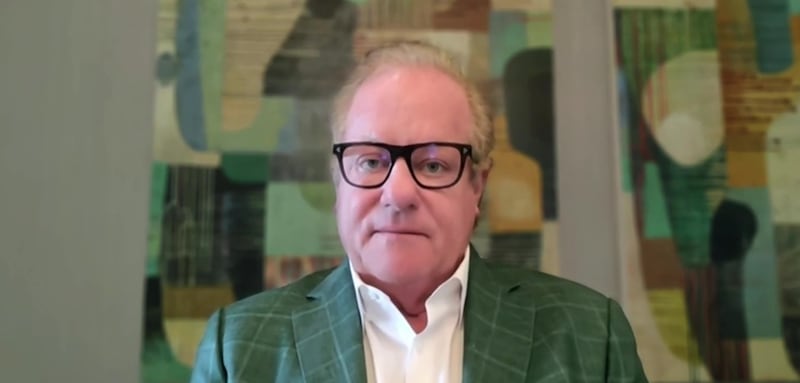
BNN Bloomberg spoke with Tim Pagliara, chief investment officer at CapWealth, about how political pressure on the Federal Reserve, shifting interest-rate expectations and heavy capital spending tied to artificial intelligence are shaping U.S. equities and economic growth.
Key Takeaways
- Leadership in U.S. stocks remains heavily concentrated, making company-specific selection more important than broad index exposure.
- Softer inflation trends and additional government revenue from tariffs have reduced pressure on the Federal Reserve to keep rates elevated.
- Cooling employment conditions are pushing policymakers toward a more dovish stance, increasing expectations for rate cuts into 2026.
- Massive capital demands from the AI buildout are tightening liquidity, strengthening the case for ending quantitative tightening.
- AI investment is expected to drive long-term U.S. prosperity, but near-term gains tied to data centres and grid expansion must translate into productivity growth.
Read the full transcript below:
ANDREW: Friction between U.S. President Donald Trump and Federal Reserve Chair Jerome Powell is reaching new heights today after the Trump administration opened a criminal investigation into the Fed chair. Let’s get more from Tim Pagliara, chief investment officer at CapWealth. Tim, thanks very much for joining us. What’s your reaction to people saying this is unprecedented — a criminal probe of a Fed chair?
TIM: Well, I think you have to put it in perspective. This was a referral to a grand jury, and the grand jury system in the United States is designed, to some extent, to depoliticize the process, especially in a case like this. Evidence will be presented, and whether an indictment comes out of the grand jury remains to be seen. At this point, it’s largely out of the hands of the administration, beyond the evidence presented by the Justice Department to determine whether to move forward.
ANDREW: So technically, the Department of Justice has subpoenaed the central bank and is threatening a criminal indictment?
TIM: The threat of a criminal indictment comes from the fact that they’ve opened a criminal investigation. So yes, that’s technically correct. I was a little surprised by how quickly the Fed chair reacted. I would have thought it would have been more appropriate to make those statements after the grand jury had completed its work, rather than further politicizing the situation.
ANDREW: Is this a threat — and I know it’s a cliché — to the credibility of the Fed? Does it really have implications for how global investors see the U.S.?
TIM: I think absolutely you want an independent Fed. But there’s also a lot of precedent in American history for presidents being unhappy with Federal Reserve chairs. That goes back to Lyndon Johnson and even earlier. So part of this is simply American history, and part of it is Trump’s personality and the way he operates. We’ll have to let it play out.
ANDREW: Let’s look at U.S. stocks more broadly. The S&P 500 hit a record high at the end of last week. The so-called Magnificent Seven are not back at record highs, but you still think the market is too heavily weighted in about 15 to 20 companies.
TIM: Yes, and I think the focus in the first quarter will be on earnings. The question is whether earnings growth will be enough to sustain gains and bring new leadership into the market. It will be harder for the Magnificent Seven, given their massive capital expenditure commitments, to really move the needle on earnings as they go through this transition and try to monetize their significant investments in AI.
ANDREW: Let’s turn to AI. You’ve said we’ve seen this movie before, to some extent, with the railway boom of the 1800s.
TIM: Yes. And I’m quick to remind people that if you read The House of Morgan, J.P. Morgan went to Europe to negotiate loans with the Rothschilds during that period, and they threw him out of their office. They told him to go home and said they wouldn’t lend a single dollar. That set off a consolidation process after the boom. Railroads eventually became connected commerce systems, and economic activity moved from one end of the country to the other, leading to a remarkable period of prosperity. I think there will be shades of that with AI. There won’t be 100 per cent winners. There will be losers, and that’s part of the creative destruction process in a free economy.
ANDREW: So there’s a real prospect that a number of data centres could be built and end up as white elephants, at least in the short term?
TIM: I think that’s possible. We really don’t know yet. The construction boom is happening now, but the real test will come in late 2027, 2028 and 2029, when these centres come online. There’s still massive spending required on electricity, grid upgrades and connectivity to handle the enormous amounts of data being transferred. There’s a lot of growth and stimulus still to come, but whether some projects prove unnecessary or get consolidated is something we likely won’t know for several years.
ANDREW: We’re hearing that U.S. voters are unhappy about rising electricity bills, and politicians from both parties are taking heat. Data centres are often blamed as one factor.
TIM: You can spread the blame around. Look at the situation in California, for example, where there’s roughly US$50 billion in cleanup work related to power lines. There’s also been reluctance to pass along rate increases or allow utilities to recover reasonable costs. Some utilities have been behind the curve for years and were always going to need substantial investment to upgrade their grids. All of that costs money, and consumers ultimately feel it.
ANDREW: Tim, we’ll have to leave it there. Thanks very much.
TIM: Thank you. Happy New Year.
ANDREW: Happy New Year. That’s Tim Pagliara, chief investment officer at CapWealth.
---
This BNN Bloomberg summary and transcript of the Jan. 12, 2026 interview with Tim Pagliara are published with the assistance of AI. Original research, interview questions and added context was created by BNN Bloomberg journalists. An editor also reviewed this material before it was published to ensure its accuracy and adherence with BNN Bloomberg editorial policies and standards.

