Global equity markets rebounded after recent volatility as strong earnings from major U.S. financial institutions and chipmakers improved investor sentiment, while oil prices fell as geopolitical tensions eased.
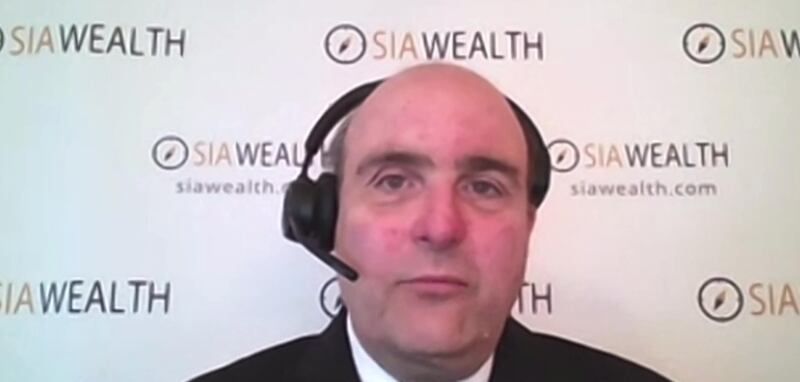
BNN Bloomberg spoke with Colin Cieszynski, portfolio manager and chief market strategist at SIA Wealth Management, about earnings momentum, technology sector leadership and shifting risk sentiment across commodities and equities.
Key Takeaways
- Better-than-expected earnings from major U.S. banks helped stabilize equities despite valuation concerns.
- Strong results from Taiwan Semiconductor lifted global chipmakers and improved sentiment toward AI-related growth.
- Oil prices fell sharply as fears of escalation involving Iran eased, reversing recent risk-driven gains.
- U.S. manufacturing data surprised to the upside, reinforcing signs of economic resilience.
- Political risk continues to drive short-term volatility across energy and precious metals markets.
Read the full transcript below:
ANDREW: Morgan Stanley and Goldman Sachs shares did come under some pressure in the pre-market, even though they beat expectations on earnings. Let’s have a look at those stocks right now and get more from Colin Cieszynski, portfolio manager and chief market strategist at SIA Wealth. Colin, great to see you. Thanks very much. Let’s start with Goldman Sachs. Apparently, they set a revenue record.
COLIN: Absolutely. Goldman Sachs put up really strong numbers. They also crushed estimates. I’ll just note quickly that we do own both Goldman Sachs and Morgan Stanley in portfolios that we manage, so it’s a very good day and we’re quite pleased with the numbers that have come out. Goldman also sold off its credit card business along the way, with a gain on that. But generally speaking, they were very pleased with their results. They saw strength coming from wealth management, trading and asset management. So across the board, a very strong quarter for Goldman.
ANDREW: Yeah. We did hear Martin Cobb say the stock is up around two per cent right now. We heard from Martin Cobb of Lorne Steinberg Wealth Management earlier — and let’s forgive him his past sins as a former bank analyst — saying these big U.S. lenders are generally trading at fat multiples of their book value. Would you be putting new money into them right now, Colin?
COLIN: At this point in time, they’re continuing to do really well, and all indications are that we’re in a very robust environment for the banking business, the brokerage business and wealth managers. This week, we saw positive retail sales. This morning’s numbers out of the U.S., the two manufacturing surveys from New York and Pennsylvania, were very much stronger than expected. The U.S. banks that reported earlier in the week generally had smaller-than-expected loan-loss provisions. So at this point in time, the banks have been doing well and continue to do well.
ANDREW: Tell us about Taiwan Semiconductor. Apparently, like other players in the chip market, including memory device providers, it’s turning away orders. They just can’t make enough chips.
COLIN: They had very strong numbers reported overnight, and that’s quite impressive because it helped turn around sentiment toward the whole sector. Yesterday, technology stocks on the Nasdaq were getting absolutely hammered, and we’ve seen weakness for several weeks amid questions over whether AI-related growth can continue. Taiwan Semiconductor’s numbers came out overnight and said, yes, they can. They blew the doors off expectations. That not only turned their stock around, it turned around the entire global chip sector. We saw rallies in Europe and we’re seeing rallies in North America this morning. So it was quite a change in sentiment off just one report.
ANDREW: What do you think, Colin? Are there going to be tears in the end with these AI stocks, especially if someone like OpenAI, with so much debt and such aggressive spending plans, runs into trouble?
COLIN: Eventually. We saw that 25 years ago with the internet. When it first came out, there was huge potential, all kinds of stocks ran and then, at some point, there was a shakeout. We don’t know when that’s going to happen, but anytime there’s a new technology, eventually there’s a shakeout and you get winners and losers. There were losers that failed spectacularly, but there were winners that succeeded spectacularly. So there are opportunities, but there are also risks.
ANDREW: Are there any risks other than a possible tech selloff — any broad risks in the market or economy — that you think investors are underestimating right now?
COLIN: There are a few things. One is political sentiment, and we’re seeing it this week in the oil market. Right now, it’s Iran in focus. A couple of weeks ago it was Venezuela, before that Cuba, and other countries move in and out of the political risk space. Over the last couple of days, people were starting to worry about whether the U.S. might attack Iran. Oil prices went up, and then overnight President Trump hinted that maybe they won’t, and oil prices came right back down again. That can impact energy stocks and also metal stocks. Precious metals tend to move significantly between fear and greed. I wouldn’t call it a major risk, but it is ongoing volatility, and it can change day to day — sometimes even within a trading day — so it’s definitely something to keep an eye on.
ANDREW: Do you feel we’re in a strange era now, Colin, with so many opportunities to gamble on sports, whether legally or illegally, and with platforms like Polymarket and Kalshi blurring the line between investing and gambling?
COLIN: It’s interesting because so much is going online. For example, we’ve heard rumblings over the last couple of months that traditional casinos are having trouble. We’ve seen reports of Las Vegas traffic being down, and just recently Halifax indicated it’s closing its downtown casino and moving it to Dartmouth. There are definitely changes in the sector. There is some blurring, and we’re becoming more like Europe, where you can bet on just about anything. At the same time, platforms like Polymarket are interesting because they can provide information. There’s a big difference between a poll, where people can say whatever they want, and a betting market, where people are putting money behind their views. We’ve seen that develop over the years in election markets, and now it’s spreading into other areas.
ANDREW: Yeah, it reminds me of P.G. Wodehouse and those dim-witted English aristocrats in his stories. They could always calculate complicated odds on horse racing, but in every other respect they were pretty dim.
Colin, thank you very much indeed. That’s Colin Cieszynski, portfolio manager and chief market strategist at SIA Wealth.
---
This BNN Bloomberg summary and transcript of the Jan. 15, 2026 interview with Colin Cieszynski are published with the assistance of AI. Original research, interview questions and added context was created by BNN Bloomberg journalists. An editor also reviewed this material before it was published to ensure its accuracy and adherence with BNN Bloomberg editorial policies and standards.

