Major U.S. banks reported stronger-than-expected fourth-quarter earnings, while surging demand for semiconductors helped lift sentiment in the technology sector. Investors are also tracking demographic-driven themes shaping health care, housing and consumer spending.
BNN Bloomberg spoke with Laura Lau, chief investment officer at Brompton Group, about bank earnings, Taiwan Semiconductor’s growth outlook and investment opportunities tied to long-term structural trends.
Key Takeaways
- Morgan Stanley and Goldman Sachs posted better-than-expected results, driven by strong trading activity, resilient wealth management growth and improving investment banking pipelines.
- Taiwan Semiconductor raised capital spending plans and revenue growth expectations, underscoring sustained demand for advanced chips tied to artificial intelligence.
- Investment banks could benefit further if large, high-profile IPOs emerge, supporting fee growth and capital markets activity.
- Health-care distributors stand to gain from aging demographics, rising use of specialty drugs and an accelerating wave of pharmaceuticals going off patent.
- Structural supply shortages in Canadian seniors housing and ongoing demand for value-focused retail continue to support select long-term equity opportunities.
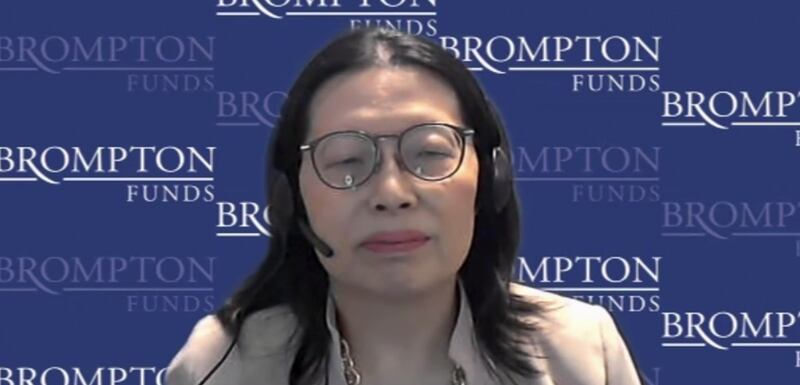
Read the full transcript below:
ANDREW: Morgan Stanley and Goldman Sachs beat expectations, and Taiwan Semiconductor also topped fourth-quarter targets and raised its forecast. Let’s get more from Laura Lau, chief investment officer at Brompton Group. Laura, great to see you. Thanks for joining us. What stood out to you in the Morgan Stanley and Goldman Sachs numbers?
LAURA: Trading revenues were very strong. Goldman Sachs beat its previous equity trading numbers, and the investment banking pipeline looks very solid. At Morgan Stanley, the asset management arm is getting close to that milestone of US$10 trillion in assets under management. Overall, the results were very strong, and looking ahead, the pipelines are robust. We expect some large IPOs this year, potentially including OpenAI, the maker of ChatGPT, Anthropic, which is behind the Claude chatbot, and SpaceX. That should support continued strength in investment bank earnings.
ANDREW: That’s interesting. If those IPOs come to market, they could be record-breakers for their industries.
LAURA: Exactly. And those banks are also helping to fund artificial intelligence. For example, Morgan Stanley helped finance Meta’s large debt offering, which ultimately supports companies like Taiwan Semiconductor by providing the capital needed to build new plants, expand capital spending and grow revenue.
ANDREW: Let’s turn to Taiwan Semiconductor. Like other chipmakers, it seems unable to keep up with demand.
LAURA: Demand has been extremely strong, and it takes a long time and significant expertise to build these advanced facilities. The company is estimating capital spending of about US$56 billion this year alone, and expects spending over the next three years to be even higher. It also forecast revenue growth of about 30 per cent this year, which was well above analyst expectations of roughly 25 per cent.
ANDREW: You also have some stock ideas. Let’s start with Cardinal Health, a major player in the U.S. medical system. What attracts you to it?
LAURA: Health care has underperformed over the past couple of years, but we think some fund flows will return as policy headwinds ease. Drug pricing pressure has been negotiated to some extent, and we see those headwinds fading. Cardinal Health benefits from an aging population that is using more pharmaceuticals. It is also exposed to specialty drugs, such as cancer treatments that require infusions, which are a growing area. Another key driver is drugs going off patent. When drugs are on patent, margins are around one per cent, but once they go generic, margins can rise to about 15 per cent. Over the next five years, there is a much larger wave of drugs losing exclusivity compared with the previous five years. The stock trades at a valuation below the S&P 500, while growing revenue at about 10 per cent annually.
ANDREW: Society is getting older, there’s no doubt about that. Chartwell Retirement Residences is another name you like. What’s the opportunity there?
LAURA: The opportunity is driven by demographics. The population aged 80 and over, which is most likely to move into seniors housing, is expected to grow about four per cent annually over the next 20 years. However, housing supply in Canada is growing by less than one per cent. We need roughly 20,000 new units a year to meet demand, but over the past three years, construction has averaged well below that. There are about 7,000 units currently under construction, which still leaves a significant supply-demand gap. That gives operators pricing power, making this an attractive long-term theme.
ANDREW: Finally, discount retail. TJX, whose off-price brands include Winners in Canada.
LAURA: TJX, including Winners and TJ Maxx, benefits from the “treasure hunt” experience, where shoppers don’t know exactly what they’ll find. Consumers in both Canada and the U.S. are very value-conscious right now, and that plays directly to TJX’s strengths. It has been a long-term compounder, similar to Costco, and we think it can continue to perform well.
ANDREW: Laura, great to have you with us. Thanks very much. That’s Laura Lau, chief investment officer at Brompton Group.
---
This BNN Bloomberg summary and transcript of the Jan. 15, 2026 interview with Laura Lau are published with the assistance of AI. Original research, interview questions and added context was created by BNN Bloomberg journalists. An editor also reviewed this material before it was published to ensure its accuracy and adherence with BNN Bloomberg editorial policies and standards.

