Gold producers are posting sharply higher earnings as elevated bullion prices lift cash flows, pushing dividends, buybacks and capital discipline back into focus. At the same time, recent pullbacks underline how quickly sentiment can shift in a volatile sector.
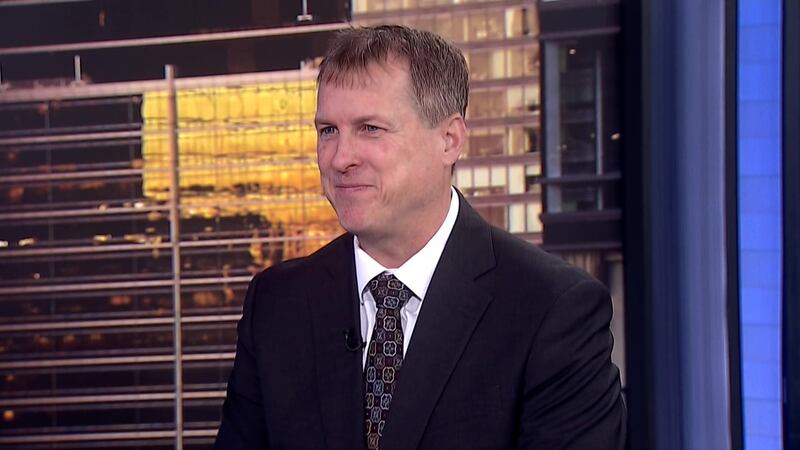
BNN Bloomberg spoke with Garnet Anderson, head of wealth management at Tacita Capital, about Barrick’s fourth-quarter results, its evolving dividend framework and North American IPO preparations, as well as how investors are approaching gold equities after a strong run.
Key Takeaways
- Higher gold prices are translating into outsized earnings growth, reinforcing the importance of disciplined capital allocation by producers.
- Variable dividend structures allow gold companies to return cash during strong cycles while preserving flexibility in downturns.
- Share buybacks have become a key tool for returning excess cash, even after significant share-price gains.
- Gold equities remain highly volatile, making timing and patience important for investors after large rallies.
- Strategic asset reshuffling and reinvestment in long-life, lower-cost mines can support longer-term value creation.
Read the full transcript below:
ANDREW: Let’s get to some of the companies making news today. Barrick Mining beat fourth-quarter estimates and is moving forward with preparations for an initial public offering of its North American gold assets, while maintaining a large ownership stake. We’re joined by Garnet Anderson, head of wealth management at Tacita Capital. Great to see you.
GARNET: Good morning.
ANDREW: So this is pretty much confirmation that an IPO is the plan?
GARNET: Yes. They’re laying the track to move forward and effectively create a pure-play vehicle focused on North American mines. Barrick is a global gold mining company, so carving out its North American assets would give investors more direct exposure. There’s also been some discussion about whether that makes those assets a potential acquisition target. When you look outside North America, there’s more political risk — mines have been nationalized and taken back over decades, which is something the entire gold sector has dealt with.
When the idea was announced back in December, the market largely shrugged it off. It was still too new, and even today there are a lot of unknowns — how the balance sheet would be divided, how the structure would work. Management has said more details will come over the next couple of months. Until then, I think investors are firmly in wait-and-see mode. It’s not really a trading catalyst today, but it does look likely to move ahead.
ANDREW: It’s complicated, though. They jointly own some assets in Nevada with Newmont, and some they don’t.
GARNET: Exactly. There are rights of first refusal and other structural issues to work through. In a way, it’s almost positive that the stock hasn’t jumped on the news. If the IPO is delayed, which often happens, or doesn’t proceed, it’s less likely to drag the shares lower.
ANDREW: Do you think investors are pushing gold companies more broadly to return cash through dividends, given how much cash they’re generating right now?
GARNET: Investors want to make sure the cash isn’t going into questionable acquisitions or vanity drilling projects. Barrick is a good example of a company being disciplined. They’ve announced about $1.5 billion in share buybacks. Traditionally, buybacks were done when companies felt their shares were undervalued, but today many firms are simply returning excess cash because they have strong balance sheets and established programs.
ANDREW: Even after the stock has soared?
GARNET: Exactly. But when you’re generating that much cash, the question is how you return it to shareholders. Barrick has also evolved its dividend policy. Since 2022, it’s had a base dividend and a variable bonus component. That bonus used to be tied to net cash and is now linked more directly to operating cash flow.
Effectively, investors get a base yield of about 1.1 per cent, with additional bonus dividends when cash flows are strong. That makes sense for a commodity producer. If gold prices were to fall below sustaining costs and cash needed to be preserved, dividends would be cut. Gold stocks are not income plays. Across Canadian gold producers, yields are generally between about half a per cent and 1.25 per cent. That’s not why investors buy them.
ANDREW: You’d think they might be, given they own gold mines.
GARNET: They do, but maintaining and expanding reserves requires significant capital spending every year. Barrick sold four mines this year, raising more than $2 billion, and is reinvesting heavily into projects like the Fourmile mine in the U.S. It’s about reallocating capital toward longer-life assets with lower extraction costs.
ANDREW: Would you be a buyer of Barrick at these levels?
GARNET: We hold it, but it’s not our largest gold position. We were watching the premarket reaction today — it was down about 1.8 per cent, largely reflecting a pullback in gold prices. We’re comfortable holding it.
It’s a high-volatility stock, with roughly 40 per cent one-year volatility. By comparison, Enbridge is around 15 per cent, and the banks are in the mid-teens. That means the price will swing. Long-term holders don’t have a reason to sell today, but for new investors, it may be late to chase the rally. Waiting for a pullback could make sense.
The company delivered strong results. Earnings per share beat expectations, gold production met targets and copper production provided a boost. You’re seeing the operating leverage you expect from miners — revenues up 30 to 40 per cent can translate into profit growth of more than 100 per cent. We’re holders, not adding right now, but we would step in on a meaningful selloff.
ANDREW: Bombardier has had a remarkable run since the start of 2025.
GARNET: Taken off like a plane.
ANDREW: But now the U.S. president is talking about tariffs if Canadian approvals for American jets don’t move faster.
GARNET: That’s right. We were watching it closely since we own the stock. The shares pulled back, but not enough to look like a fire sale. It was more of an excuse for some investors to take profits after a strong run. The market seems to believe this issue will be resolved.
Bombardier today is very different from the company a decade ago. The balance sheet is stronger, management is more disciplined and the services business is growing, which provides more dependable revenue than aircraft sales alone. Plane manufacturing is cyclical and capital-intensive, so having that balance helps.
ANDREW: Maybe we can look at a longer-term chart.
GARNET: If you go back to the COVID period, the drawdowns were severe, but investors who stepped in and held through that volatility were well rewarded. The stock has had multiple drawdowns over the years, which is the nature of the business.
The added upside now is the defence segment. It’s still early, and it’s unclear how much value that represents today, but Bombardier has the manufacturing capability and skill set. They’re servicing their own planes, expanding in the U.S., and doing some work with the military. That optionality is part of the longer-term story.
ANDREW: Garnet, always great to hear from you.
GARNET: Pleasure to be here. Thanks.
ANDREW: Garnet Anderson of Tacita Capital.
---
This BNN Bloomberg summary and transcript of the Feb. 5, 2026 interview with Garnet Anderson are published with the assistance of AI. Original research, interview questions and added context was created by BNN Bloomberg journalists. An editor also reviewed this material before it was published to ensure its accuracy and adherence with BNN Bloomberg editorial policies and standards.

