The TSX Composite plunged more than 1,200 points as a spike in oil prices and escalating Middle East tensions triggered a synchronized global selloff across equities and bonds, while traditional safe havens also faltered.
BNN Bloomberg spoke with Michael Dehal, senior portfolio manager at Dehal Investment Partners at Raymond James Ltd., about rising recession risks, inflation pressures from higher energy costs and where investors may find opportunities amid the volatility.
Key Takeaways
- The TSX Composite dropped more than 1,200 points amid a broad global selloff across equities, bonds and commodities.
- Oil prices surged on concerns about prolonged Middle East conflict and potential disruption through the Strait of Hormuz.
- Higher energy prices risk adding to inflation pressures and increasing recession concerns if the conflict drags on.
- Traditional defensive assets such as gold also declined, underscoring the breadth of the risk-off move.
- Investors may need to focus on diversification and companies with strong balance sheets and free cash flow during heightened volatility.
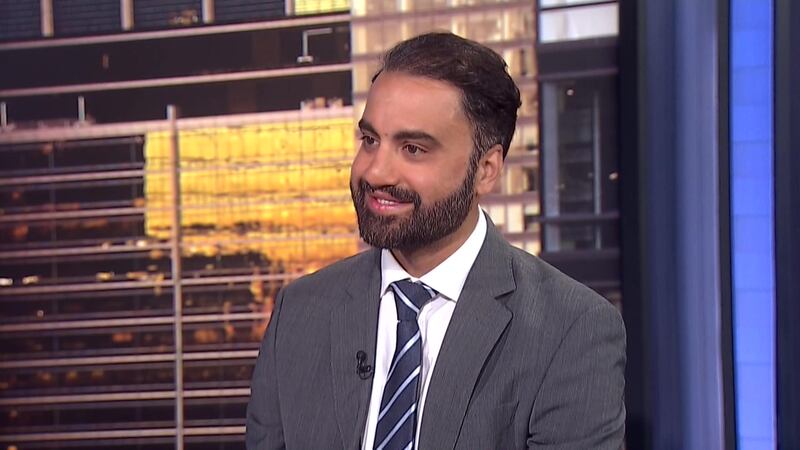
Read the full transcript below:
ROGER: As we were just talking about, the TSX composite saw a drop of more than 1,200 points today. So far, who knows where it will go? We’ve bounced back slightly, but not by much. We’re still below 1,200 points. Our next guest says we’re seeing a global market selloff. Let’s bring in Michael Dehal, senior portfolio manager at Raymond James.
We saw it in the Asian markets overnight, that they were already starting to react. Yesterday was strange because pretty much everyone finished in the green, and then today it’s like everybody woke up.
MICHAEL: Yeah, exactly. I think yesterday’s market, there was some kind of hope that this Middle East conflict would resolve quicker than what people expected. I think this morning people woke up and realized that, hey, this can go on for, as Trump mentioned, four to five weeks, if not longer. Also, the risk to oil markets, with the Strait of Hormuz effectively being shut down, and that can cause higher prices and also increase the risk to inflation as well.
ROGER: And so do you think this is one day, or could we see more of this tomorrow? Who’s buying, right?
MICHAEL: No one’s buying, obviously, right? The markets, like you mentioned, global markets all across the board — Canada, U.S., Europe, Asia — we’re seeing a massive selloff across all asset classes. Usually when there’s a market selloff and geopolitical tensions, there’s a bid to gold. Even gold is down today, lower copper, energy prices, energy stocks are lower, right? So it’s a selloff across all asset classes. When could this end? We don’t know. The story is changing literally by the hour, if not by the minute. So until investors get more clarity on what the next steps are to this conflict, the volatility in the markets could continue for some time.
ROGER: And I guess it really feels like the only clarity will come from the president himself. We saw his comments earlier, and I think that’s what fuelled all this today. So I guess we’re going to wait for something else from him, too. But the idea that this could drag on — he said we didn’t know. He said he wasn’t sure.
MICHAEL: Yeah, exactly. And that’s what sparked the selloff in the markets today, right? It was kind of remarkable yesterday to see the reaction. In the morning the markets were lower and recovered, and the markets did end up positive. But today it’s a different story. And like you mentioned, the president saying that we don’t know when the end is going to be, this could drag out. If it does drag out for a long time, there are obviously economic risks to the global economy. Recessionary pressure risk could increase as well as this drags out longer and longer.
ROGER: And of course inflation a concern with this as well, right?
MICHAEL: Yeah, absolutely. Oil prices are going higher. As they go higher, gasoline prices go up. If there are impacts to global trade, higher prices across all goods and services.
ROGER: So what are you doing with this uncertainty then? Uncertainty might be a kind word, actually.
MICHAEL: Yeah, exactly. From day one, we always tell investors, be diversified. Obviously, days like today, everything’s getting thrown out with the bathwater, right? And so we’re telling clients, stay calm, do not panic. Days like this, we know in history, do pass. Periods like this do pass. It can come quickly. If we get a resolution quickly, markets can turn around. So A, do not panic. And B, be more tactical. Look at companies, sectors, even stocks that may not get affected if this does drag on for quite some time. Companies with good free cash flow, strong balance sheets and good liquidity positions.
ROGER: And where are some of those right now?
MICHAEL: A company where we’re seeing opportunities right now is Apple. They had a great earnings report when they reported Q4 earnings, great earnings momentum on revenue growth, earnings per share. They’re increasing their gross margins, their iPhone sales, iPhone 17 and the new 18. We’re seeing great momentum on that. So that’s an area where we do see opportunities right now for investors.
ROGER: It’s kind of ironic because they were taking the big hit with AI, right? They were the unwanted stepchild of the Magnificent Seven for a bit.
MICHAEL: Exactly. Apple had some criticism that they’re not spending enough money on AI or investing as much relative to the other Magnificent Seven names, right? But they are very strategic. They do have a really strong cash position, which they can use to invest more money in AI, acquire or redeploy into share buybacks or dividends even, right?
ROGER: All right. Things are going on. There are normal things that are happening. Paramount Resources coming out with their earnings. With everything that’s unfolding, your thoughts on it?
MICHAEL: Yeah, great earnings report. They had great top-line growth, right? There are some issues with the margins and all that, right? But overall, the oil and gas sector, obviously as oil prices go higher, energy prices go higher, those stocks do continue to have a tailwind with increased free cash flow.
ROGER: And what now? Tailwinds right now with everything that’s unfolding. What could possibly be a headwind? If this is resolved quickly, could people run the risk of diving in too quickly into some of the oil names, or are they pretty solid right now and ready for a run?
MICHAEL: Fundamentals right now for oil and energy equities do look very strong, right? Even looking past the conflict, we do think the energy sector is a sector where you do find opportunities for the next two, three, four years. So with fundamentals strong, with increased demand globally, it does have strong fundamentals beyond the conflict itself, right? But if this obviously does drag on, there is a risk that it could dampen investments.
ROGER: And I think we have to remember too, oil is up right now over the last two days and it’s surging, but it’s still down for the last year, right?
MICHAEL: Yeah, it’s still down. I think we’re back to levels around the middle of 2024, late 2024, right? So we are not past the highs that we’ve seen the last couple of years, right? So we do have room to grow. But as oil starts increasing five, six, seven dollars per day, it can reach those levels. So it’s something that we’re keeping a close eye on as well. Obviously, like you mentioned, higher oil prices create more inflationary pressures for consumers.
ROGER: And before we go, any other stocks you’re keeping an eye on right now?
MICHAEL: Consumer discretionary is something that we’re keeping an eye on, on the negative side. Stocks that are exposed to the consumer — if this conflict does drag on, higher inflationary pressures, consumer discretionary stocks could be a bit of a headwind going forward.
ROGER: Yeah, Best Buy just had their earnings out today.
MICHAEL: Yeah, it wasn’t bad. No, it’s not bad.
ROGER: All right, Michael, we have to leave it there. But thank you, as always, for joining us.
MICHAEL: Thank you, Roger.
ROGER: Michael Dehal is senior portfolio manager of Dehal Investment Partners at Raymond James.
---
This BNN Bloomberg summary and transcript of the March 3, 2026 interview with Michael Dehal are published with the assistance of AI. Original research, interview questions and added context was created by BNN Bloomberg journalists. An editor also reviewed this material before it was published to ensure its accuracy and adherence with BNN Bloomberg editorial policies and standards.

