U.S. equities are rebounding as investors weigh easing geopolitical tensions and the potential for disruptions in global energy supply to prove temporary.
BNN Bloomberg spoke with Laura Wellon, managing director at UBS Private Wealth Management, who says volatility tied to the Middle East conflict may offer selective entry points across sectors.
Key Takeaways
- Market volatility has shifted leadership, with tech under pressure while selective sectors offer potential entry points.
- A prolonged Strait of Hormuz disruption would raise inflation and growth risks, but the base case is for a temporary shock.
- Sectors tied to AI, infrastructure, health care and electrification are positioned to benefit from long-term structural trends.
- Consumer spending shows signs of strain, particularly among lower-income households, creating risks for credit-sensitive areas.
- Investors are advised to stay invested and avoid short-term timing, with geopolitical volatility seen as a source of opportunity.
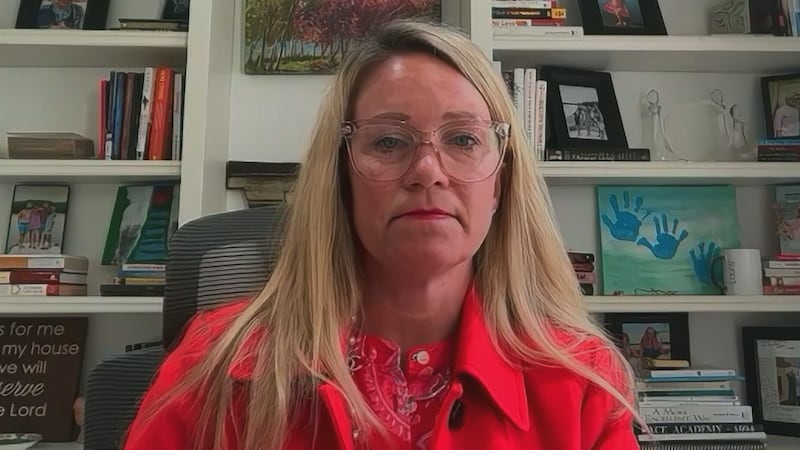
Read the full transcript below:
LINDSAY: Stocks and bonds are rebounding after U.S. President Donald Trump said the U.S. and Iran have held talks about ending the war. The Strait of Hormuz remains effectively closed for now, but our next guest believes that disruption will be short-lived and could be creating a good buying opportunity for U.S. stocks. Joining us now is Laura Wellon, managing director at UBS Private Wealth Management. Good morning. It’s good to have you join us.
LAURA: Good morning. Thanks for having me.
LINDSAY: So we’re hearing some developments this morning, but obviously there’s a lot of back and forth when it comes to this conflict. Why do you believe this disruption in the Middle East will be short-lived?
LAURA: We started off this year really strong, and then when the Iran war started, returns declined pretty much across the board. So I think there’s probably a good buying opportunity in both global and U.S. stocks. We’ll have to see what happens after today’s announcement from Trump. My guess is the market will likely react positively to it.
LINDSAY: He’s speaking later this afternoon, as you say. We’ll have to wait and see. So a good buying opportunity for U.S. stocks — are there certain sectors in particular you think are better to buy right now?
LAURA: I do. I think tech was due for a bit of a correction or pullback, so being selective on the tech side is a good opportunity. I also like the health-care space, given an aging population and rapid developments in AI. Industrials should benefit from onshoring, infrastructure spending and defence. And utilities tied to data centre demand and the components that go into that are also attractive. So I would focus on those sectors.
LINDSAY: We know Iranian media is saying Hormuz won’t return to its prewar state even after the conflict ends. What do you make of that, and how could that change the outlook for U.S. stocks?
LAURA: When you look at daily headlines, they tend to affect the short term. But these kinds of disruptions can create strong buying opportunities over the long term. Anytime we see volatility in U.S. or international markets, we look to take advantage of that for clients. So we’re watching closely to identify opportunities within those sectors and beyond.
LINDSAY: Are there sectors investors should stay away from right now?
LAURA: Consumer spending is an area where we’re starting to see some cracks, particularly at the lower end. Around 60 to 70 per cent of people are living paycheque to paycheque, so we’re watching companies tied to credit closely. There could be some short-term support from fiscal measures, with higher tax refunds boosting spending, but it’s still an area to approach with caution.
LINDSAY: We saw the Federal Reserve hold its policy rate last week. What do you expect in the months ahead, and how could that affect equities?
LAURA: It’s interesting how quickly expectations have shifted. We were looking at one to two rate cuts by year-end, and now there’s discussion about no cuts or even potential hikes. The European Central Bank is signalling cuts, which could create opportunities internationally. With a leadership change at the Fed, it will be important to see whether the next chair follows Powell’s approach or takes a different path.
LINDSAY: You’ve said your base case is that equities will end the year higher and bond yields lower. Why?
LAURA: Historically, after periods of geopolitical disruption, markets tend to be higher 12 months later. These environments often create long-term buying opportunities. While inflation remains something to watch, we expect bond yields to trend lower over time, even though they may remain volatile in the near term.
LINDSAY: And your recommendation for long-term investors is to stay invested. Why?
LAURA: Staying invested is key. Trying to time short-term moves in volatile markets typically doesn’t work well for clients. We focus on long-term themes and opportunities that emerge during disruptions rather than trying to trade in and out of the market.
LINDSAY: You mentioned gold — is that also a place investors should consider?
LAURA: Yes. Gold can act as a hedge, particularly with currency movements. We’ve held gold for clients over the past year and it’s performed well. Commodities more broadly are an area to watch and potentially benefit from over the long term.
LINDSAY: Laura Wellon, managing director at UBS Private Wealth Management. Appreciate your time. Thanks for joining us.
---
This BNN Bloomberg summary and transcript of the March 23, 2026 interview with Laura Wellon are published with the assistance of AI. Original research, interview questions and added context was created by BNN Bloomberg journalists. An editor also reviewed this material before it was published to ensure its accuracy and adherence with BNN Bloomberg editorial policies and standards.

