Investors are navigating a volatile backdrop as geopolitical tensions in the Middle East continue to influence oil prices, interest rate expectations and equity performance.
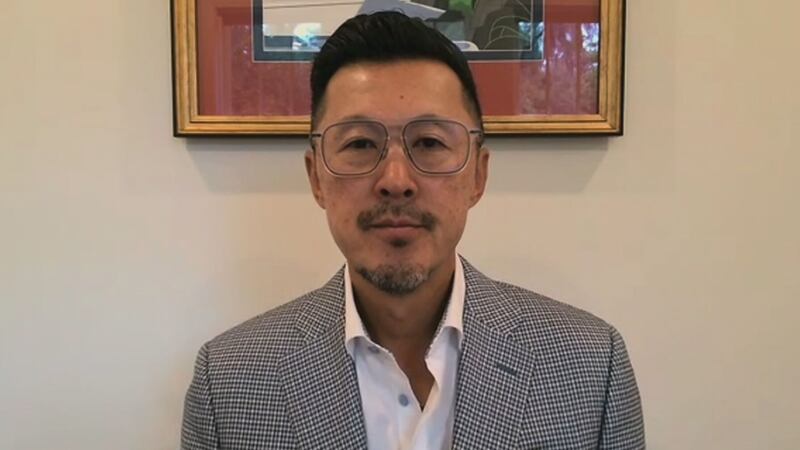
BNN Bloomberg spoke with Jimmy Lee, CEO at Wealth Consulting Group, who discussed how investors are responding to uncertainty and where opportunities may emerge if conditions stabilize.
Key Takeaways
- Investors remain resilient despite elevated geopolitical risks, with many using recent declines to deploy capital.
- A full reopening of the Strait of Hormuz could significantly lower oil prices and support a broader equity rebound.
- Cyclical sectors including industrials and financials are favoured as portfolios shift toward growth positioning.
- Select opportunities are emerging in technology after selloffs tied to AI concerns, reinforcing the case for active management.
- Small-cap stocks remain attractive but require lower interest rates to unlock upside, with rate cuts seen as key to sustaining economic momentum.
Read the full transcript below:
LINDSAY: The U.S. has sent Iran a 15-point plan to end the war. It calls for Tehran to dismantle key nuclear sites and fully reopen the Strait of Hormuz. Investors have been reacting positively, so let’s get some perspective from Jimmy Lee, CEO of Wealth Consulting Group. It’s great to have you join us. Thanks so much.
JIMMY: Great to see you. Thank you.
LINDSAY: It’s a confusing time for investors. What are you telling clients to do amid everything we’re hearing from both sides?
JIMMY: It is a very confusing time. We definitely need this war to end and oil prices to come down, because it has taken a lot of the wind out of the momentum we had in 2026 in the U.S. economy. But I’m reminding our clients and investors in general to think about last year. Think about April 10, when the market bottomed after tariff uncertainty, and how the year ended.
Right now, I think investors are fairly resilient despite all the concerns beyond the war — private credit, AI software stocks and broader equity markets. The S&P 500 was only down about five per cent year to date before today’s rebound. I think investors are looking to stay invested if they can. There is also a lot of dry powder still out there looking to be deployed. Many investors missed the bull market since the lows of 2022, and some are using these declines to put money to work.
LINDSAY: We’re seeing markets rebounding today. Do you think they’ll continue to rebound once the Strait of Hormuz reopens, whenever that is?
JIMMY: I do. If the Strait is fully reopened and shipping flows return to normal, I think oil prices will come down significantly. There could be some collateral damage, but overall, the concerns about persistently high oil prices would ease.
That would be a major relief, and I think investors would become more optimistic. The stock market could rebound, and we would likely see continued broadening into areas offering more value than the large-cap tech names that have led over the past five years. I see small-cap stocks doing well, and we are positioned for cyclical sectors. We do not think we are heading into a recession, even though risks have increased somewhat.
LINDSAY: By cyclical sectors, can you give some examples?
JIMMY: Yes. We really like industrials. They benefit from ongoing onshoring trends as supply chains continue to shift away from China. Financials, which have been beaten down this year, are another area to consider.
We also like technology, but investors need to be selective. Some companies have sold off too much due to concerns around AI and software. This is a time for active investing. If you simply own the S&P 500, you are heavily weighted toward large tech names and may not be as diversified as you think. Investors are generally underweight mid- and small-cap stocks in the U.S. and globally.
I am somewhat more cautious on international equities than earlier in the year, but recent selloffs may present opportunities.
LINDSAY: There’s talk that the U.S. could be heading for a recession. Do you agree?
JIMMY: I think the risks have increased because of higher oil prices and the war, but I still believe the fundamentals are strong. We expect solid earnings growth, which is critical.
Higher oil prices do take some momentum away from earlier expectations tied to tax cuts and consumer spending. Some of that money may go toward paying down debt instead of spending, which could affect growth. We are hoping the war ends soon, oil prices come down and optimism returns.
LINDSAY: Let’s go back to international investing. Are there regions or sectors you favour?
JIMMY: We like both developed and emerging markets. Emerging markets have held up relatively well this year, and parts of Asia could benefit. However, higher oil prices are weighing on some economies due to supply-demand pressures.
Geopolitics remains the top short-term risk in my view. Longer term, I think current geopolitical dynamics could strengthen the U.S. position relative to China. If tensions stabilize, it could create a more constructive backdrop globally.
LINDSAY: Finally, on small caps — do you still see value there?
JIMMY: I do, but we need rates to come down. Small-cap stocks are very rate-sensitive. Higher oil prices have increased inflation concerns, and that has raised doubts about rate cuts.
We believe the Federal Reserve should cut rates. I’m more concerned about jobs than inflation at this point. Lower rates would support housing, consumer activity and business investment. Improving housing market activity in particular would have broad economic benefits. Restoring confidence around rate cuts would be very positive for the economy.
LINDSAY: We’ll leave it there. Jimmy Lee, CEO of Wealth Consulting Group. Appreciate your time today. Thanks for joining us.
---
This BNN Bloomberg summary and transcript of the March 25, 2026 interview with Jimmy Lee are published with the assistance of AI. Original research, interview questions and added context was created by BNN Bloomberg journalists. An editor also reviewed this material before it was published to ensure its accuracy and adherence with BNN Bloomberg editorial policies and standards.

