Renewed diplomatic efforts between the U.S. and Iran are offering only limited support to markets, with investors remaining cautious amid ongoing uncertainty and geopolitical risk.
BNN Bloomberg spoke with Andrew Pyle, portfolio manager and senior investment advisor at CIBC Wood Gundy, about muted market reactions, rising recession risks and how investors should position portfolios in a volatile environment.
Key Takeaways
- Markets are reacting cautiously to diplomacy efforts, suggesting any relief rally is likely to be limited without clearer progress on negotiations.
- Slowing global PMI data is raising recession risks, with economic momentum fading across major regions.
- Bond market weakness differs from 2022, with yields rising on inflation and uncertainty but potentially overshooting if growth deteriorates.
- Investors are favouring short-term investment-grade credit while avoiding long-duration bonds due to fiscal concerns.
- Gold and materials may present opportunities after recent declines, supported by ongoing uncertainty and structural demand trends.
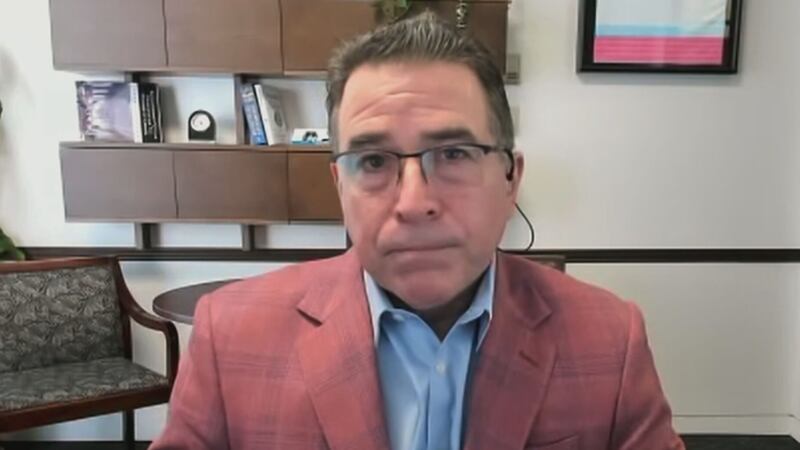
Read the full transcript below:
LINDSAY: Mediators from Turkey, Egypt and Pakistan are pushing for a meeting between U.S. and Iranian officials. Even though the two sides appear far apart, it is giving investors some optimism about the markets. Let’s get some perspective from Andrew Pyle, portfolio manager and senior investment advisor at Pyle Wealth Advisory, CIBC Wood Gundy. Andrew, it’s good to have you join us. Thanks so much.
ANDREW: Good morning, Lindsay. Great to be here.
LINDSAY: I’m wondering what you make of how the markets are reacting to this news, because there doesn’t seem to be any clear sentiment from either side. We’re hearing different things from the U.S. and from Iran, but it seems as though investors are a little more optimistic today.
ANDREW: Well, they’re definitely more optimistic. Anything that suggests this war can be resolved somewhat quickly is going to give the markets cause for relief, Lindsay. I would say right now the news has been trickling out. Investors would love to hear press releases from all sides saying this meeting is in place and this is going to happen. That hasn’t been the case. We’ve heard leaks coming out of the U.S., refusals or denials from the Iranians, and now we have the Reuters story giving the market a lift. But as we look at this market, it’s not going to soar out of the gates today, because there are still so many unanswered questions about what this meeting entails, what deal is on the table, if any, and what is happening with the troops being sent en route to the region.
LINDSAY: That’s what I was going to ask you. There’s still so much to sort through here. This probably isn’t going to be a quick process, so we can expect more volatility in the markets, at least in the short term.
ANDREW: Yes, I would definitely prepare for more volatility. This whole situation remains fluid. If we do get some type of resolution that at least ceases hostilities for now, from a market point of view we have to bring it back to the fundamentals. The fundamental fear is really the supply constraints that have come from this conflict through the Strait. Even if that were resolved, this market could have some legs, but right now it’s too premature.
LINDSAY: When we’re looking at economies around the world, given everything that’s been happening, the latest flash S&P Global PMI numbers show some fading momentum in the U.S., Europe and Japan. Do you think we’re now looking at a higher probability of a recession?
ANDREW: The probabilities are definitely higher than they were before this conflict, Lindsay. Some economists had those probabilities quite low for this year, but that was predicated on relatively stable employment conditions and a path to lower interest rates in the U.S. and globally, which in the last two weeks has been turned on its ear. This conflict has elevated those recession risks. A lot will come down to whether we can resolve this situation. If we can, oil prices will move lower. That doesn’t mean the damage hasn’t already been done, but it may be contained enough that we avoid a recession, which would give some relief to markets.
LINDSAY: We’re also seeing bonds falling sharply during this conflict. There are comparisons to 2022 and the period coming out of COVID-19. Is that a fair comparison, or is this different?
ANDREW: I think it’s different, Lindsay. Back then, central banks were behind the curve on inflation, which was much more rampant than it is today. Yes, we have a supply shock that in some respects is more significant than Russia-Ukraine. But right now, the concern is the possibility of demand destruction. If that happens, rates may have overshot to the upside, because at some point they would have to come lower and central banks would have to respond to a weaker economy. It’s too early to tell where this is going, but I think the damage to the bond market is overdone relative to equities, and that’s where you might see a pickup.
LINDSAY: Given that, does it make sense for investors to avoid longer-duration bonds right now?
ANDREW: Yes, that story remains the same. The reason we’ve been avoiding long-term debt is because of fiscal concerns coming out of the U.S. and globally, as countries ramp up spending while facing weaker economic growth and weaker tax revenue. That hasn’t been alleviated. We think fiscal risks in the U.S. have not been fully appreciated at the long end of the curve, so we’re avoiding that part of the market. We do like short-term credit, particularly investment-grade.
LINDSAY: What about the recent move in yields? Is this a near-term inflation adjustment, or more related to the conflict?
ANDREW: It’s partly a near-term inflation adjustment, but it’s also an uncertainty and risk premium adjustment. Investors simply don’t know what’s going to happen, and that uncertainty has to be priced into the market. In bonds, that means higher credit spreads and higher yields. In equities, it means lower valuations. Until that uncertainty lifts, those risk premiums will remain elevated.
LINDSAY: What are you telling investors to do right now? Are there areas they should avoid or focus on?
ANDREW: “Safer” is a relative term right now. Over the past 18 months, we’ve been gradually reducing exposure to the U.S. and moving more into Canada, Europe and Asia. That strategy still holds. The message to investors is to stand pat and evaluate the situation as it evolves. Avoid making erratic decisions until there’s clearer information on what the next few months will look like.
LINDSAY: What do you make of what we’re seeing in metals, particularly gold and copper? Do you like gold right now?
ANDREW: We still like gold, and this pullback may present an opportunity to add. Gold remains a valid investment in times of uncertainty. Some investors have been selling gold to cover losses elsewhere. Looking ahead, fiscal concerns remain, and we believe the U.S. dollar could weaken structurally, which would support gold. It’s unrealistic to assume uncertainty will disappear in the next couple of weeks.
LINDSAY: The materials group has been the worst performer in Canada this month, which has weighed on the TSX.
ANDREW: Exactly. Canada has underperformed this month, though it is still outperforming the S&P 500 year to date. Materials have been a major drag, but that could reverse as gold stabilizes. We’re also still seeing strong demand drivers like infrastructure and data centres, which should support copper. Metals look oversold right now.
LINDSAY: Finally, what do you expect from the Bank of Canada?
ANDREW: We have to take Governor Tiff Macklem at his word that, absent this conflict, we might have been looking at lower rates. That thinking is still in place. If inflation expectations remain contained and oil prices fall, and if domestic conditions weaken, the Bank of Canada could cut rates one or two times. But until we have more clarity, the bank is dealing with the same uncertainty as everyone else.
LINDSAY: Andrew Pyle, portfolio manager and senior investment advisor at Pyle Wealth Advisory, CIBC Wood Gundy. Thanks so much for joining us.
ANDREW: Thanks, Lindsay.
---
This BNN Bloomberg summary and transcript of the March 25, 2026 interview with Andrew Pyle are published with the assistance of AI. Original research, interview questions and added context was created by BNN Bloomberg journalists. An editor also reviewed this material before it was published to ensure its accuracy and adherence with BNN Bloomberg editorial policies and standards.

