Markets remain volatile as geopolitical uncertainty and shifting investor sentiment drive uneven performance across sectors. Portfolio managers are adjusting strategies to focus on protecting capital rather than chasing returns.
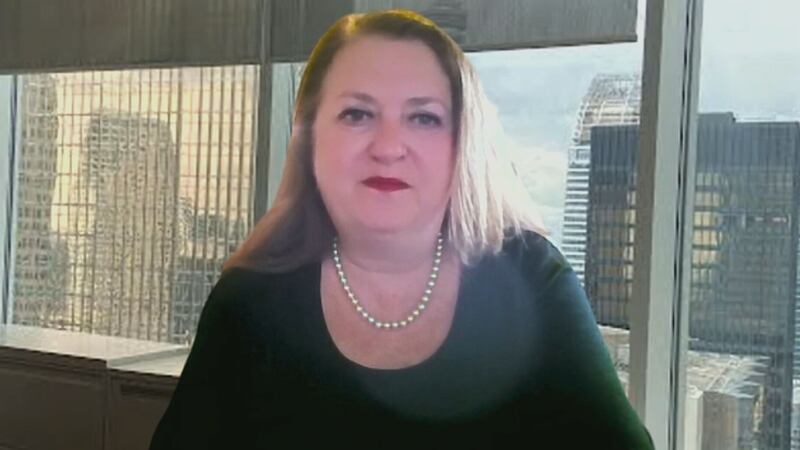
BNN Bloomberg spoke with Diana Avigdor, portfolio manager and head of trading at Barometer Capital Management, about raising cash, re-entering gold positions and maintaining energy exposure while repositioning portfolios.
Key Takeaways
- Capital preservation is the priority, with a shift away from aggressive positioning as volatility increases and trends remain unclear.
- Cash levels have risen to about 30 per cent, allowing flexibility to re-enter markets once conditions stabilize.
- Gold exposure has been reintroduced, including Agnico Eagle, after a prior exit during overextended price levels.
- Energy remains overweight, with continued focus on large-cap names such as Suncor, Canadian Natural Resources and Imperial Oil.
- Technology exposure has been largely reduced, with portfolios broadly underweight most sectors while selectively adding defensive names like Bunge Global.
Read the full transcript below:
LINDSAY: Markets are on the upswing this morning after U.S. President Donald Trump signalled he wants to wind down the war in Iran. But there is still a lot of uncertainty posing challenges for investors. Let’s find out how one portfolio manager has been rebalancing during the turbulence.
Joining us now is Diana Avigdor, portfolio manager and head of trading at Barometer Capital Management. It’s great to have you join us. Thanks so much.
DIANA: Good morning. Thanks for having me.
LINDSAY: So you say your message to clients has been around capital preservation amid all this volatility. Tell us more about what that means.
DIANA: Absolutely. Markets started acting a little bit rotational before the war began. Things like precious metals — silver — started selling off. Then when the war started, other names began breaking down and markets started to trade more erratically. Volatility rallied hard.
So it became a matter of moving from making money to preserving capital so that we have dry powder to re-engage when things stabilize and go back to trend. Because right now, there is no clear trend — just uncertainty around things like what is going to happen to oil in the long term.
From an energy perspective, we were overweight before the war and we’re still overweight now. But what we have done in financials and technology is slowly raise cash, and we are now sitting with a substantial cash position of about 30 per cent.
We are still participating in the market because about 70 per cent of portfolios remain invested. We’ve re-entered some gold names, and we continue to have exposure to energy as well as some financials. But we have a relatively high cash component and a few new names that fit this environment.
LINDSAY: And I want to get into those in just a moment. But you’ve touched on a couple of points I want to explore in more detail. You say you were overweight in oil and energy before the war and still are. Do you foresee that changing if things develop in the Middle East and there’s an end to the war and oil prices potentially come down?
DIANA: I don’t see that changing based on current information. We are invested in some of the larger-cap energy names — Suncor, CNQ, Imperial Oil. There is no need to go down the capitalization curve. You get performance out of large companies, and you also get stability.
Suncor had a strong investor day yesterday, for example. They increased their free cash flow growth estimates, outlined their operational plan and increased their buyback. This is a company operating on all cylinders — new management and strong operational efficiencies.
Energy continues to be important. It was important before the war. We have a theme that price has to meet narrative, and these energy stocks have acted well long before the war started. The conflict has simply exacerbated their growth.
LINDSAY: You also say another major change you made a couple of weeks ago was re-entering some gold names after getting out when gold was around the 5,000 mark earlier this year. Tell us about that decision.
DIANA: Again, price has to match narrative. If investors remember, there was a day when silver dropped about 30 per cent. Gold and silver had become very overextended on the reflation and dollar debasement trades.
We were invested in names like Agnico Eagle — a large, Canadian, geographically safe and well-managed company. When gold and silver started correcting, we exited. These sectors are highly volatile and corrections can be significant. We were not willing to sit through that.
We have levels where we are no longer willing to tolerate that volatility. So we exited and placed those names on what we call a “farm team” list for re-engagement when conditions stabilize.
Now gold has come back to key technical support levels. These are strong companies, and we have re-entered positions such as Agnico Eagle.
LINDSAY: When we look at markets starting to stabilize — or at least some sectors — we saw a rally yesterday that appears to be continuing today. What do you think contributed to that?
DIANA: We are essentially playing headline ping-pong. The war is unfolding not only through military action but also through competing narratives.
But beyond geopolitics, yesterday’s rally was also driven by month-end and quarter-end flows. Market participants had become extremely short — about $190 billion moved through U.S. markets in selling over the past month.
There are rule-based players such as CTAs and volatility strategies that had built large short positions. In their absence, this cohort can significantly move markets.
There is also a large leveraged ETF market — including triple-exposure ETFs tied to the Nasdaq and S&P 500 — that must rebalance daily. That rebalancing created significant buying pressure late in the day, contributing meaningfully to the rally.
LINDSAY: And with that, there’s another name you’ve recently added to the portfolio — Bunge Global?
DIANA: Bunge Global. It’s a vertically integrated agribusiness and fertilizer company. It’s a large business with high barriers to entry and limited competition.
Bunge operates in about 40 countries with roughly 25,000 employees. Fertilizer is in focus right now because disruptions, including potential impacts from the Strait of Hormuz, affect about 30 per cent of that market through logistics and supply chains.
Bunge has a fully integrated farm-to-market system — connecting fertilizer, crop production, processing, global distribution and trading. That gives it strong control over logistics, which is critical in this environment.
It allows the company to move commodities to where prices are strongest and to benefit from trading and arbitrage opportunities. It also has strong hedging capabilities and access to global market intelligence.
This is a name we’ve recently added that reflects the current market environment.
LINDSAY: We’ll have to leave it there. Diana Avigdor, portfolio manager and head of trading at Barometer Capital Management. Appreciate your time. Thanks so much.
---
This BNN Bloomberg summary and transcript of the April 1, 2026 interview with Diana Avigdor are published with the assistance of AI. Original research, interview questions and added context was created by BNN Bloomberg journalists. An editor also reviewed this material before it was published to ensure its accuracy and adherence with BNN Bloomberg editorial policies and standards.

